
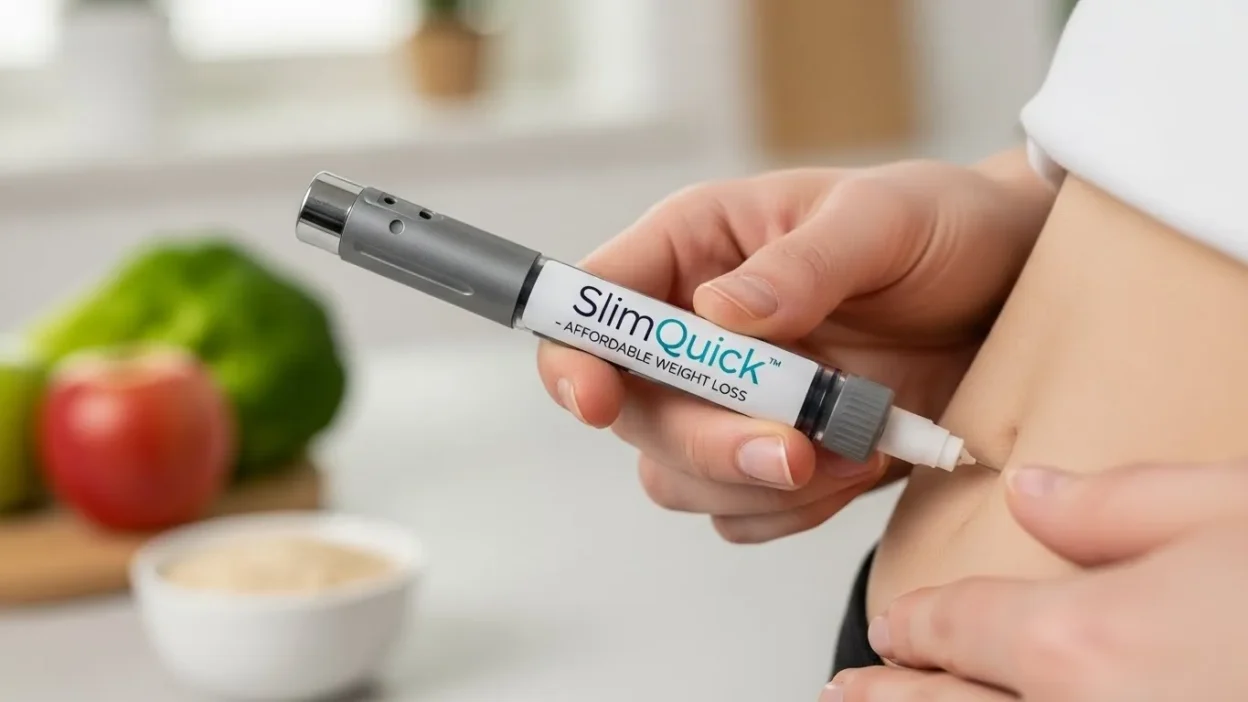
Struggling to lose weight despite diet and exercise has led many people to explore medical solutions, and weight loss injections have quickly become one of the most effective options available today.
Medications like GLP-1 weight loss injections help reduce appetite, improve portion control, and support sustainable weight loss but their high price tags often make them feel out of reach.
This has created growing interest in affordable weight loss injections that deliver real results without overwhelming monthly costs.
In this guide, we’ll break down what weight loss injections are, how they work, and why some options cost significantly less than others.
You’ll learn about low-cost alternatives to popular brand-name injections, how compounded medications compare, and what factors influence safety and effectiveness.
You’re paying out of pocket or searching for budget-friendly medical weight loss solutions, this article will help you make an informed, confident decision about your next steps toward healthier, lasting weight loss.
Understanding Weight Loss Injections
Weight loss injections are prescription medications designed to support weight management by working with your body’s natural hormones. Unlike over-the-counter supplements that often promise quick fixes, these injections are clinically studied and typically prescribed as part of a medically supervised weight loss program. They are most commonly used for people who struggle to lose weight through diet and exercise alone or who have weight-related health conditions.
Most modern weight loss injections fall under a class of medications known as GLP-1 receptor agonists. These drugs mimic a hormone your body naturally releases after eating. GLP-1 helps regulate appetite, slows digestion, and signals the brain that you’re full. As a result, people feel satisfied with smaller portions and experience fewer cravings throughout the day. Some newer medications also target additional hormones involved in blood sugar control and fat metabolism, making them even more effective.
Weight loss injections are usually taken once weekly or once daily, depending on the medication. They are administered using a small, pre-filled pen or syringe, similar to insulin injections, and most people find them easy to use at home. When combined with healthy eating habits and lifestyle changes, these injections can lead to steady, sustainable weight loss over time.
Understanding how weight loss injections work is an important first step in deciding whether an affordable option is right for you. In the next sections, we’ll explore the different types available and why costs can vary so widely.
Types of Weight Loss Injections Available
There are several types of weight loss injections on the market, and understanding the differences can help you identify the most affordable and effective option for your needs. These injections generally fall into two main categories: FDA-approved brand-name medications and off-label or compounded alternatives.
FDA-approved weight loss injections include well-known medications such as semaglutide (Wegovy), tirzepatide (Zepbound), and liraglutide (Saxenda). These drugs have undergone extensive clinical trials and are proven to support significant weight loss when used correctly. However, brand-name medications are often expensive due to patent protection, marketing costs, and limited insurance coverage for weight loss treatments.
To address cost concerns, many patients turn to compounded weight loss injections, most commonly compounded semaglutide. These are prepared by licensed compounding pharmacies using the same active ingredient found in brand-name medications but without the branded delivery system. Because they are not sold under a patented brand name, compounded options are typically far more affordable.
While compounded injections can be cost-effective, it’s essential to choose a reputable provider and pharmacy to ensure safety and quality. In the following sections, we’ll take a closer look at why pricing varies so much and how to evaluate which option offers the best balance of affordability, effectiveness, and medical oversight.
Why Are Weight Loss Injections So Expensive?
The high cost of weight loss injections is one of the biggest barriers for people seeking medical help with weight management. One major reason is patent protection. Brand-name medications like Wegovy and Zepbound are protected by patents that prevent generic competition, allowing pharmaceutical companies to set premium prices. These costs also reflect years of research, clinical trials, and regulatory approval.
Another factor is insurance coverage. Many insurance plans still classify weight loss treatments as “lifestyle medications,” meaning they are not routinely covered. Even when coverage is available, patients often face strict eligibility requirements, prior authorization, or high copays. This leaves many people paying full retail prices out of pocket.
Supply and demand also play a role. The surge in popularity of GLP-1 weight loss injections has led to shortages, driving prices even higher. Additionally, brand-name drugs include proprietary injection pens and extensive marketing efforts, both of which add to overall costs.
Understanding these factors helps explain why some injections can cost hundreds or even thousands of dollars per month. It also highlights why more people are searching for affordable weight loss injections, such as compounded options or telehealth-based programs, which reduce overhead and offer more accessible pricing.
What Makes a Weight Loss Injection “Affordable”?
Affordability in weight loss injections isn’t just about finding the lowest price—it’s about understanding the overall value and long-term cost. An injection may seem inexpensive upfront, but hidden fees, inconsistent dosing, or lack of medical supervision can quickly make it a poor choice. Truly affordable weight loss injections balance price, safety, effectiveness, and professional support.
One key factor is the monthly cost, which typically includes the medication, provider oversight, and follow-up care. Many brand-name injections can cost $900 to $1,500 per month without insurance, while more affordable options such as compounded semaglutide programs may range from a few hundred dollars monthly. Subscription-based telehealth models often lower costs further by bundling services into a predictable monthly fee.
Another consideration is dosage and treatment duration. Lower starting doses cost less, but as dosages increase, so can the price. An affordable plan should include a clear titration schedule and transparent pricing as treatment progresses.
Finally, accessibility matters. Affordable weight loss injections should be easy to obtain through licensed providers, without excessive office visits or unnecessary add-ons. When evaluating options, the best choice is one that fits your budget while still providing safe, medically supervised care that supports sustainable weight loss over time.
Most Affordable Weight Loss Injection Options
For many people, the most affordable weight loss injections are those that reduce branding, distribution, and clinic overhead while still providing medical supervision. One of the most popular low-cost options today is compounded semaglutide. This medication contains the same active ingredient used in brand-name drugs but is prepared by licensed compounding pharmacies, making it significantly more budget-friendly. Monthly costs are often hundreds of dollars less than brand-name injections, especially for patients paying out of pocket.
Another affordable option is using online telehealth weight loss clinics. These platforms connect patients with licensed medical providers who evaluate eligibility, prescribe injections, and ship medication directly to the patient’s home. Telehealth programs typically operate on subscription models, which helps keep pricing predictable and eliminates the need for frequent in-person visits.
Some in-clinic medical weight loss centers can also be cost-effective, particularly when they offer bundled packages or payment plans. These clinics may include follow-up visits, nutrition guidance, and monitoring as part of a single monthly fee.
While affordability is important, patients should avoid choosing solely based on price. Always ensure that injections are prescribed by a qualified provider and dispensed by a reputable pharmacy. The best affordable weight loss injection is one that fits your budget while maintaining safety, consistency, and long-term effectiveness.
Cost Comparison: Popular Weight Loss Injections
Comparing costs is one of the most effective ways to determine which weight loss injection fits your budget. Brand-name medications such as Wegovy, Ozempic (used off-label for weight loss), and Zepbound are among the most expensive options. Without insurance coverage, these injections can range from $900 to over $1,500 per month, depending on dosage and pharmacy pricing. Even with insurance, copays and coverage limitations often make them difficult to afford long term.
More affordable alternatives, such as compounded semaglutide, typically cost significantly less. Many patients pay a few hundred dollars per month, with pricing varying based on dosage, provider oversight, and included services. Telehealth providers often bundle medication, consultations, and follow-ups into a single monthly subscription, which can further reduce out-of-pocket expenses.
It’s also important to consider annual costs, not just monthly pricing. Brand-name injections can exceed $10,000 per year without insurance, while compounded options may cost a fraction of that. Additionally, some providers offer discounts for longer-term plans or automatic refills.
When comparing options, look beyond the sticker price. Factor in provider support, medication quality, follow-up care, and long-term sustainability. A slightly higher monthly cost may offer better value if it includes consistent medical guidance and reliable access to treatment.
Are Affordable Weight Loss Injections Safe?
Safety is one of the most important considerations when choosing weight loss injections, especially lower-cost or compounded options. While FDA-approved brand-name medications like Wegovy, Ozempic, and Zepbound have undergone extensive clinical trials to ensure safety and effectiveness, compounded injections rely on the quality and expertise of the pharmacy preparing them. Choosing a reputable provider is critical to avoid issues such as contamination, incorrect dosing, or inconsistent potency.
Compounded semaglutide, for example, contains the same active ingredient as the brand-name version but is prepared in a pharmacy under strict regulatory standards. Look for pharmacies that follow USP <797> guidelines and are accredited by recognized organizations. Always ensure that a licensed medical provider supervises your treatment, even if you purchase injections online. Regular follow-ups help monitor side effects, adjust dosage, and track weight loss progress safely.
Common side effects of weight loss injections include nausea, vomiting, diarrhea, and mild injection site reactions. These are usually temporary and manageable. Rare but serious complications, such as pancreatitis or gallbladder issues, are more likely when doses are not properly monitored.
Affordable injections can be safe if obtained through legitimate, medically supervised channels, and patients prioritize quality and professional oversight over price alone. In the next section, we’ll discuss practical ways to further reduce the cost of treatment without compromising safety.
How to Reduce the Cost of Weight Loss Injections
Even if weight loss injections are already more affordable, there are several strategies to further lower your overall cost without sacrificing safety or effectiveness. One of the first steps is to check insurance coverage. Some health plans now provide partial coverage for GLP-1 medications, especially if you have a qualifying medical condition such as obesity-related diabetes, high blood pressure, or metabolic syndrome. Asking your provider to submit a prior authorization can sometimes help you access coverage that isn’t immediately obvious.
Another way to save is through manufacturer savings programs and coupons. Many pharmaceutical companies offer discount cards, patient assistance programs, or rebates that reduce out-of-pocket costs for brand-name injections. Even if compounded options are cheaper, combining these programs with telehealth or clinic services can further lower monthly expenses.
Using telehealth platforms is another cost-saving strategy. Telemedicine reduces overhead costs for clinics and allows for convenient home delivery, often included in subscription plans. This eliminates travel costs, reduces the need for frequent office visits, and sometimes offers bundled pricing for follow-up consultations.
Finally, consider flexible spending accounts (FSA) or health savings accounts (HSA) to pay for injections with pre-tax dollars. This approach effectively reduces the financial burden while keeping treatment safe and medically supervised. By combining these strategies, patients can access affordable weight loss injections without compromising quality or oversight.
Who Is a Good Candidate for Weight Loss Injections?
Not everyone is an ideal candidate for weight loss injections, even if affordability is a priority. These medications are most effective for people who meet certain medical and lifestyle criteria. Typically, candidates have a body mass index (BMI) of 30 or higher, or a BMI of 27 or higher if they have weight-related health conditions such as type 2 diabetes, high blood pressure, or high cholesterol. A medical provider will assess your overall health, weight history, and potential risks before prescribing injections.
Age and pre-existing medical conditions are also important considerations. Weight loss injections are generally approved for adults, and patients with certain digestive, pancreatic, or thyroid conditions may need additional monitoring or may be advised against using these medications. Your provider will evaluate any medications you are currently taking to avoid potential drug interactions.
Lifestyle commitment is another key factor. Injections work best when combined with healthy eating habits, physical activity, and behavioral changes. Patients willing to follow a structured program and attend regular check-ins tend to see the most consistent results.
By evaluating eligibility carefully, patients can ensure that their chosen affordable weight loss injection is both safe and effective, maximizing the chance of meaningful, sustainable results. The next section will discuss what results you can realistically expect from treatment.
Expected Results and Timeline
When starting weight loss injections, understanding the expected results and realistic timeline is crucial for setting proper expectations. Most GLP-1 based injections, including semaglutide and tirzepatide, work gradually by reducing appetite, improving satiety, and supporting better portion control. Because these medications affect the body’s hormones rather than forcing rapid weight loss, results are generally steady and sustainable rather than immediate.
Patients can typically expect to see noticeable weight changes within 4 to 12 weeks, depending on factors such as dosage, adherence, diet, and activity levels. By three months, many individuals lose 5-10% of their starting body weight, with continued progress over six months to a year. For example, those who follow a structured lifestyle plan alongside injections often see greater improvements in energy, metabolic health, and overall wellbeing.
It’s important to remember that individual results vary. Factors like age, genetics, underlying health conditions, and baseline weight all influence outcomes. Additionally, skipping doses or deviating from the prescribed schedule can slow progress.
Maintaining healthy habits is essential for long-term success. Weight loss injections are most effective when viewed as part of a comprehensive program that includes proper nutrition, regular physical activity, and consistent medical oversight. In the following section, we’ll explore the pros and cons of affordable weight loss injections to help you weigh benefits against potential drawbacks.
Pros and Cons of Affordable Weight Loss Injections
Affordable weight loss injections offer a variety of benefits, but they also come with potential drawbacks that patients should consider before starting treatment. Understanding both sides helps ensure you make an informed decision that balances cost, safety, and effectiveness.
Pros:
- Cost Savings: The most obvious advantage is financial. Compounded injections and telehealth programs can reduce monthly expenses by hundreds of dollars compared to brand-name options.
- Clinically Proven Results: Even affordable options, like compounded semaglutide, contain the same active ingredient as brand-name drugs, delivering comparable appetite suppression and weight loss effects.
- Non-Surgical Approach: Injections offer a non-invasive alternative to procedures like gastric bypass or liposuction, with fewer risks and shorter recovery times.
- Convenience: Many programs provide home delivery and telehealth monitoring, eliminating frequent clinic visits while maintaining professional oversight.
Cons:
- Insurance Limitations: Affordable injections are often paid out-of-pocket, as many insurance plans do not cover compounded medications.
- Potential Side Effects: Nausea, diarrhea, and injection site reactions are common, and rare but serious risks may arise if treatment is not properly monitored.
- Quality Variation: Compounded injections depend on pharmacy standards, so using a reputable provider is essential to ensure safety and consistency.
- Long-Term Commitment: Continued use and lifestyle changes are necessary to maintain results, which may require ongoing investment and discipline.
Balancing these pros and cons allows patients to select an affordable option that aligns with their health goals while minimizing risk. The next section will cover the potential side effects and risks in more detail.
Side Effects and Risks
While affordable weight loss injections can be highly effective, it’s important to understand the potential side effects and risks associated with their use. Most of these medications, particularly GLP-1 receptor agonists like semaglutide or tirzepatide, are generally well-tolerated, but some side effects are common during the initial weeks of treatment.
Common side effects include nausea, vomiting, diarrhea, constipation, and mild injection site reactions. These symptoms usually improve as the body adjusts to the medication and can often be managed by starting at a lower dose and gradually increasing under a provider’s supervision. Some patients also experience temporary fatigue or headaches.
Serious but rare risks may include pancreatitis, gallbladder issues, or severe gastrointestinal problems. Patients with a history of pancreatitis, thyroid disorders, or severe kidney disease should be closely monitored. It’s essential to report any unusual or severe symptoms to a licensed medical provider immediately.
Safety is a critical consideration, especially for compounded or low-cost injections. Choosing a reputable pharmacy and a licensed medical provider ensures that the medication is properly prepared, accurately dosed, and safely administered. Regular follow-ups allow for dose adjustments, monitoring of side effects, and overall treatment effectiveness.
By understanding potential risks, patients can take a proactive approach, minimizing complications while safely benefiting from affordable weight loss injections. The next section will explore alternative options for those who may still find injections cost-prohibitive.
Alternatives If Weight Loss Injections Are Still Too Expensive
For some people, even affordable weight loss injections may remain out of reach due to ongoing costs, insurance limitations, or personal preferences. Fortunately, there are several effective alternatives that can help support weight loss without the high monthly expense of injections.
1. Oral Prescription Medications:
Several oral medications are available for weight loss that may be less expensive than injectable options. These include drugs like orlistat or GLP-1 oral formulations (where available). While they may not be as potent as injections, they still provide clinically proven results, especially when combined with dietary changes and exercise.
2. Non-GLP-1 Prescription Medications:
Other prescription medications, such as bupropion/naltrexone or phentermine, can support weight loss by controlling appetite or altering metabolism. These are often more affordable and may be covered by insurance in certain cases.
3. Structured Diet and Lifestyle Programs:
Medical weight loss programs that focus on nutrition, exercise, and behavioral coaching can be highly effective without the cost of injections. Programs may include meal planning, group coaching, and regular monitoring, often at a fraction of the cost of medications.
4. Over-the-Counter Support (with Caution):
Supplements, while not a replacement for prescription medications, can sometimes complement lifestyle changes. Always consult a healthcare provider before combining these with other weight loss treatments.
Exploring these alternatives allows patients to pursue safe, medically guided weight loss while keeping costs manageable. In the next section, we’ll address frequently asked questions that many people have when considering affordable weight loss injections.
Frequently Asked Questions (FAQs)
Many people considering affordable weight loss injections have similar questions about safety, cost, effectiveness, and accessibility. Addressing these common concerns can help you make an informed decision.
1. What is the cheapest weight loss injection?
Compounded semaglutide is generally the most affordable option. Unlike brand-name injections like Wegovy or Zepbound, compounded versions use the same active ingredient but are prepared by licensed pharmacies, reducing costs significantly. Telehealth programs offering home delivery can further lower expenses.
2. Are affordable injections as effective as brand-name options?
Yes—when prepared correctly, compounded injections contain the same active ingredients and can deliver similar results. The key difference lies in branding and price, not efficacy. However, consistent dosing and medical supervision are essential to ensure effectiveness.
3. Can I get weight loss injections without insurance?
Absolutely. Many affordable options, including compounded injections and telehealth subscription programs, are designed for patients paying out of pocket. Using FSAs or HSAs can also help offset costs.
4. Is compounded semaglutide safe?
When obtained from a reputable pharmacy and prescribed by a licensed provider, compounded semaglutide is generally safe. Quality and medical oversight are critical to minimize risks and side effects.
5. How long do I need to stay on injections?
Most patients continue treatment for several months to a year, depending on weight loss goals and medical guidance. Maintaining healthy lifestyle habits alongside injections is essential for sustainable results.
These FAQs address common concerns, but consulting a medical professional is always recommended before starting any weight loss injection program. The next section will guide you on how to get started safely and affordably.

I’m the Joke Master behind JokeDrops.com. I live to make people laugh with clever puns, funny lines, and daily humor drops. Spreading smiles is my favorite job — one joke at a time!