
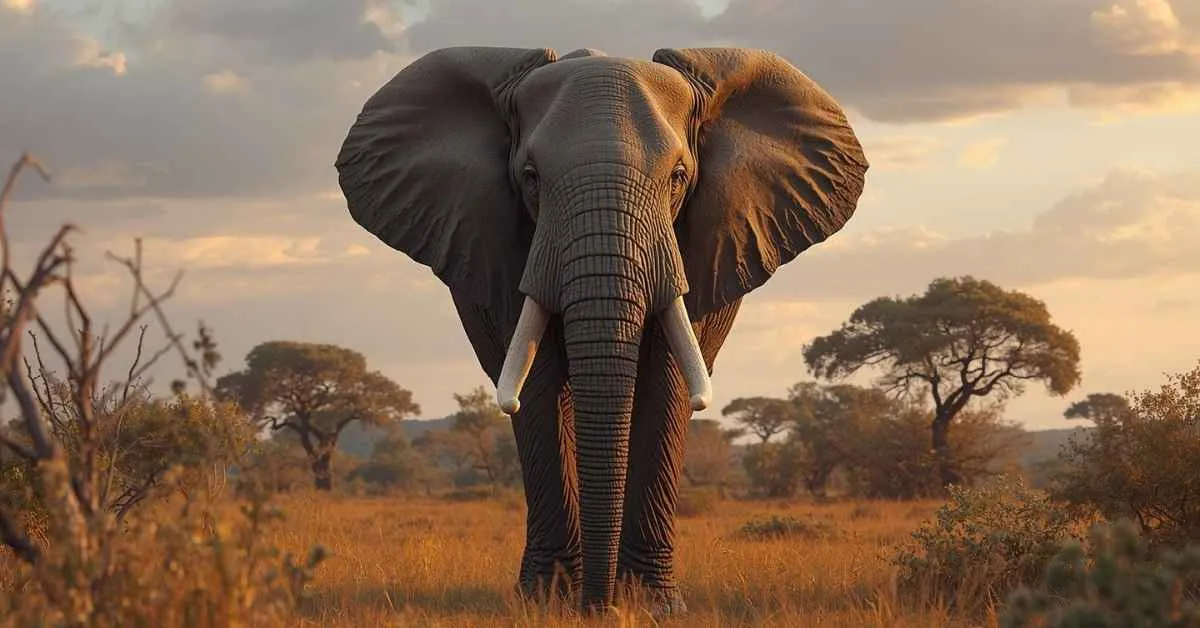
The African elephant is the largest land animal on Earth, and its enormous weight is one of the most fascinating aspects of this iconic species.
From towering adults that weigh several tons to newborn calves that already outweigh most humans, African elephant weight reflects their incredible strength, size, and evolutionary success.
Understanding how much an African elephant weighs is not just about impressive numbers it also helps scientists, conservationists, and wildlife enthusiasts better understand elephant health, behavior, and survival in the wild.
African elephants are found across different regions of Africa, and their weight can vary depending on species, age, gender, diet, and habitat.
Factors such as food availability, climate conditions, and genetics all play an important role in determining how heavy an elephant becomes.
In this article, we’ll explore the average African elephant weight, differences between males and females, growth from birth to adulthood, record-breaking giants, and why elephant weight matters for conservation efforts.
Overview of African Elephant Species
African elephants belong to the genus Loxodonta and are divided into two distinct species: the African bush elephant and the African forest elephant. While both are massive animals, there are notable differences in their size, body structure, and overall weight. Understanding these species differences is essential when discussing African elephant weight, as averages can vary significantly depending on which species is being referenced.
The African bush elephant (Loxodonta africana) is the larger of the two species and is the one most people imagine when thinking of African elephants. It inhabits open savannas, grasslands, and semi-desert regions across sub-Saharan Africa. Due to its larger frame, longer legs, and broader body, the bush elephant typically weighs much more than its forest-dwelling relative. Adult bush elephants can reach enormous weights, making them the heaviest land mammals on the planet.
The African forest elephant (Loxodonta cyclotis), on the other hand, lives in the dense rainforests of Central and West Africa. This species is smaller, more compact, and lighter in weight, an adaptation that allows it to move more easily through thick vegetation. Forest elephants have straighter tusks and a slimmer build, which contributes to their lower average weight compared to bush elephants.
These weight differences are largely influenced by habitat, diet, and evolutionary adaptation. Open environments support larger body sizes, while forested habitats favor smaller, more agile animals. When discussing African elephant weight, it is important to clearly distinguish between these two species to provide accurate and meaningful information.
Average Weight of an African Elephant
The average weight of an African elephant is truly staggering and highlights why this species is considered the largest land mammal on Earth. Adult African elephants typically weigh between 2,700 and 6,000 kilograms (about 6,000 to 13,200 pounds), though some individuals can exceed this range. When converted into tons, this means a fully grown African elephant can weigh anywhere from 3 to 7 tons, depending on age, gender, and species.
Male African elephants, known as bulls, are generally much heavier than females. An adult male often weighs between 4,000 and 6,000 kilograms, while adult females usually weigh between 2,700 and 3,600 kilograms. These averages can vary based on region, diet, and overall health. Elephants living in areas with abundant food and water sources tend to grow heavier than those in harsher environments.
African bush elephants usually fall at the higher end of the weight spectrum due to their larger body size. African forest elephants, being smaller and more compact, typically weigh less, often averaging between 2,000 and 4,000 kilograms. This difference explains why weight estimates can vary widely across different sources.
It’s also important to note that these figures represent averages, not fixed limits. Individual elephants may weigh more or less depending on genetics, age, and environmental conditions. Seasonal changes, such as drought or migration, can also influence an elephant’s weight. Overall, the impressive average weight of an African elephant reflects its powerful build and its ability to thrive in diverse and challenging ecosystems across Africa.
African Elephant Weight by Gender
Gender plays a major role in determining African elephant weight, with adult males and females showing clear differences in size and body mass. This phenomenon, known as sexual dimorphism, is especially pronounced in African elephants and becomes more noticeable as the animals reach maturity.
Male African elephants, commonly called bulls, are significantly heavier than females. As bulls mature, they continue gaining weight well into their 30s and even early 40s. On average, an adult male African elephant weighs between 4,000 and 6,000 kilograms, although exceptionally large individuals can exceed 6,500 kilograms. Their massive weight supports larger skulls, thicker limbs, and heavier tusks, all of which contribute to dominance during mating competitions and territory disputes.
Female African elephants, known as cows, are smaller and lighter but still incredibly large animals. An adult female typically weighs between 2,700 and 3,600 kilograms. Females reach their maximum weight earlier than males, usually in their mid-20s. While pregnancy can temporarily increase a female’s weight, it does not come close to the size achieved by adult bulls.
These gender-based weight differences have important biological advantages. Heavier males often have higher mating success, while lighter females benefit from increased mobility and lower energy demands, which are crucial for caring for calves. Understanding African elephant weight by gender helps researchers assess population health, breeding patterns, and the long-term survival of these remarkable animals.
African Elephant Weight by Age
African elephant weight changes dramatically throughout the animal’s life, from birth to full adulthood. These gradual increases in body mass reflect growth, development, and adaptation to the elephant’s environment. Studying weight by age helps scientists understand elephant health, survival rates, and population dynamics.
An African elephant calf is already impressively large at birth. Newborn calves typically weigh between 90 and 120 kilograms (around 200 to 265 pounds). Despite their size, calves rely heavily on their mothers for nourishment and protection. During the first few years of life, calves gain weight rapidly as they consume nutrient-rich milk and gradually begin eating vegetation.
Juvenile elephants, usually between the ages of 2 and 10 years, experience steady weight gain as their bones, muscles, and organs continue to develop. At this stage, elephants can weigh anywhere from 500 to 2,000 kilograms, depending on age, gender, and food availability. Their increasing weight allows them to travel longer distances and become more independent.
Sub-adult elephants, typically aged 10 to 20 years, show significant differences between males and females. Males begin to gain weight more rapidly, preparing for adulthood, while females approach their mature size. Fully grown African elephants reach their peak weight between their mid-20s and 40s. Males continue growing longer than females, which explains the substantial weight difference seen in adult elephants. This age-related growth pattern highlights the long developmental journey of African elephants.
Growth Rate and Weight Gain Over Time
The growth rate of an African elephant is slow but steady, reflecting the long lifespan and extended development typical of large mammals. From birth, elephants begin a lifelong process of gradual weight gain that can continue for several decades. This slow growth allows their massive bones, muscles, and organs to develop strong enough to support their enormous adult weight.
During the first year of life, African elephant calves gain weight rapidly. Fueled by their mother’s milk, a calf can gain several kilograms per day in the early months. As they transition to solid food, their growth rate remains high, supported by a diet rich in grasses, leaves, bark, and fruit. By the time they are five years old, many calves weigh well over 1,000 kilograms.
Between the ages of 5 and 15, elephants continue to gain weight steadily, though at a slower pace than in infancy. This period is crucial for skeletal development, as bones must strengthen enough to carry increasing body mass. Adequate nutrition during these years plays a key role in determining an elephant’s eventual adult weight.
Male and female growth patterns begin to diverge during adolescence. Female elephants gradually approach their maximum weight in their 20s, while males continue growing for much longer. Male African elephants may keep gaining weight into their 40s, which explains why older bulls are often the heaviest individuals in a population. Overall, the long-term growth and weight gain of African elephants highlight their remarkable biology and dependence on stable, resource-rich environments.
Heaviest African Elephants Ever Recorded
Throughout history, a few African elephants have stood out for reaching extraordinary weights that far exceed the average. These record-breaking individuals provide valuable insight into the maximum size and weight that African elephants can achieve under ideal genetic and environmental conditions. They also help illustrate just how massive these animals can become.
One of the heaviest African elephants ever recorded was a bull found in Angola in the early 20th century. According to historical records, this elephant weighed an estimated 10,400 kilograms (about 23,000 pounds), making it one of the largest land animals ever documented. Its shoulder height was also exceptional, further confirming its massive body size. While such giants are extremely rare, they demonstrate the upper limits of African elephant growth.
Other large bulls have been estimated to weigh between 7,000 and 9,000 kilograms, significantly heavier than today’s average adult males. These elephants typically lived in regions with abundant food, water, and minimal human disturbance, allowing them to reach their full potential size. Genetics also likely played a role in their exceptional growth.
In modern times, elephants of this size are far less common due to habitat loss, climate change, and human activities such as poaching. Conservation efforts aim to protect elephant populations so individuals can live long enough to reach older ages, when maximum weight is achieved. The heaviest African elephants on record remain powerful reminders of the species’ incredible natural potential.
How Scientists Measure African Elephant Weight
Measuring the weight of an African elephant is a challenging task due to their immense size, mobility, and natural behavior. In the wild, it is nearly impossible to place an elephant on a conventional scale, so scientists rely on a combination of estimation techniques, body measurements, and occasional direct weighing in controlled environments.
One common method involves measuring the elephant’s body length, shoulder height, and girth around the chest or abdomen. These measurements are then used in mathematical formulas to estimate body mass. While not perfectly precise, these formulas have been calibrated over decades of research and provide a reliable approximation of an elephant’s weight without causing stress or harm to the animal.
Direct weighing is rare but possible in certain situations, such as when elephants are sedated for medical treatment or relocated to wildlife reserves. Large industrial or livestock scales are used in these cases, providing the most accurate weight measurements. Such opportunities are limited, so most weight data for African elephants are derived from estimates.
Technological advances have also introduced new methods for monitoring elephant weight. Drones and 3D imaging allow scientists to analyze body volume and proportions from a distance. These innovations help improve accuracy and reduce human intervention in sensitive habitats.
Understanding how elephant weight is measured is crucial for research, conservation, and health monitoring. Accurate weight assessments allow wildlife biologists to track growth patterns, detect malnutrition or illness, and ensure that both individual elephants and populations remain healthy in the wild.
Factors That Affect African Elephant Weight
Several factors influence the weight of African elephants, ranging from genetics and diet to environmental conditions and overall health. Understanding these factors is essential for researchers and conservationists who monitor elephant populations and aim to ensure their well-being.
Diet and Food Availability play a major role in determining an elephant’s weight. African elephants are herbivores, consuming hundreds of kilograms of vegetation daily, including grasses, leaves, bark, and fruits. Elephants with access to nutrient-rich food sources tend to gain more weight, while those in areas affected by drought or habitat degradation may struggle to maintain healthy body mass.
Habitat and Environment also have a significant impact. Elephants living in open savannas or fertile river valleys usually grow larger than those in dense forests, where space and food are limited. Seasonal changes, such as wet and dry periods, can cause temporary weight fluctuations as food availability rises or falls.
Genetics and Regional Differences influence weight potential. Elephants from certain populations or lineages may naturally grow larger due to hereditary traits, while others remain smaller on average.
Health and Disease affect weight as well. Illness, parasitic infections, injuries, or malnutrition can reduce body mass and impair growth. Female elephants’ weight can also fluctuate during pregnancy or lactation.
Overall, African elephant weight is a dynamic measure shaped by a combination of intrinsic and external factors. Recognizing these influences helps scientists assess population health, predict growth patterns, and implement effective conservation strategies to support these magnificent giants in their natural habitats.
African Elephant Weight Compared to Other Animals
African elephants are the undisputed giants of the land, but comparing their weight to other animals provides perspective on just how massive they truly are. Understanding these comparisons also helps highlight the unique adaptations that support their enormous size.
Among elephants, African elephants are heavier than their Asian relatives. Adult Asian elephants typically weigh between 3,000 and 5,000 kilograms, making African elephants—especially male bush elephants—significantly larger. This size difference is influenced by habitat, genetics, and evolutionary pressures.
When compared to other large land mammals, African elephants still dominate. Rhinoceroses, including the white rhino, can weigh up to 2,300 kilograms, while the hippopotamus reaches roughly 1,500 to 3,200 kilograms. Even the tallest land animal, the giraffe, weighs far less than an adult African elephant, with males averaging 1,200 kilograms. These comparisons emphasize that the African elephant’s weight is not just about height but also its massive body volume and robust skeletal structure.
Beyond land mammals, the only animals that outweigh African elephants are large marine mammals, such as whales. Blue whales, for example, can reach over 180,000 kilograms, dwarfing even the heaviest elephants.
These comparisons help illustrate why African elephants are often referred to as “megafauna.” Their weight allows them to dominate ecosystems, shape landscapes through feeding and movement, and survive in diverse African habitats. Understanding their size relative to other animals highlights their ecological significance and the extraordinary nature of these iconic giants.
African Elephant Weight Compared to Humans and Objects
Visualizing the weight of an African elephant can be challenging, but comparing it to humans and everyday objects helps put their massive size into perspective. An adult African elephant can weigh between 2,700 and 6,000 kilograms, depending on species, age, and gender. To illustrate, a fully grown male elephant often outweighs 50 to 100 average humans, assuming an average human weight of 60–70 kilograms. Even female elephants, though lighter, are still heavier than 35–50 adults.
When compared to common objects, African elephants are astonishingly massive. For instance, a large elephant can weigh as much as a small car, while the heaviest males may equal the weight of a large pickup truck. Exceptional giants recorded in history, weighing over 10,000 kilograms, are roughly equivalent to the weight of a bus. These comparisons help readers better understand the scale of an elephant’s size beyond abstract numbers.
Even furniture or household items pale in comparison. For example, an adult elephant can weigh more than 20 grand pianos combined. When visualized this way, it becomes clear why elephants require enormous amounts of food and water daily to sustain their bodies.
Such comparisons not only demonstrate the sheer magnitude of African elephants but also underscore their ecological impact. Their weight allows them to knock down trees, shape landscapes, and carry large amounts of food in their digestive systems, which further influences their environment. In short, African elephants are true giants in both weight and ecological significance.
How Much Can an African Elephant Carry?
African elephants are not only massive in weight but also incredibly strong, capable of carrying substantial loads relative to their size. While an adult elephant’s body weight may range between 2,700 and 6,000 kilograms, the amount they can carry depends on their age, health, and build. Unlike pack animals such as horses or camels, elephants are not typically used for transporting goods, but their natural strength allows them to lift, push, and move heavy objects in the wild.
Studies and observations suggest that an adult African elephant can comfortably carry up to 300 kilograms on its back for short distances. This capacity is impressive but small compared to their total body weight, reflecting the need to protect their joints and spine. Elephants are better adapted for pulling, pushing, or lifting objects using their trunks rather than carrying loads on their backs. For instance, they can uproot trees, move large logs, or push obstacles out of their way with relative ease.
Male elephants, being larger and heavier, have a greater capacity for lifting and moving heavy items than females. Juveniles and smaller forest elephants can move lighter objects but are still capable of remarkable feats for their size. In the wild, this strength is essential for survival, allowing elephants to access food, create water holes, and defend themselves when necessary.
Understanding how much an African elephant can carry highlights their incredible power and adaptability. Their strength, combined with their enormous weight, makes them one of the most influential and formidable species in Africa’s ecosystems.
Seasonal Weight Changes in African Elephants
African elephants experience natural fluctuations in weight throughout the year, largely influenced by seasonal changes in food and water availability. These variations are a normal part of their biology and help elephants adapt to the challenging and often unpredictable African environment.
During the wet season, vegetation is abundant, including grasses, leaves, and fruits, which provide elephants with high-calorie nutrition. With plentiful food and water, elephants can gain weight and maintain optimal body condition. Adult males and females alike benefit from this seasonal abundance, allowing them to build reserves that will help them endure the drier months.
Conversely, in the dry season, food becomes scarcer, and water sources shrink. Elephants may have to travel long distances to find enough to eat, leading to slower weight gain or even temporary weight loss. Calves and juveniles can be particularly affected during these periods, as insufficient nutrition may slow their growth. In extreme cases, prolonged droughts can result in significant weight loss, especially in older or weaker individuals.
Forest elephants may experience less dramatic seasonal weight changes than bush elephants due to the more stable availability of food in dense forests. However, even in these habitats, prolonged dry spells can affect body mass.
Monitoring seasonal weight changes is important for conservationists and wildlife managers. By understanding how environmental conditions impact elephant body mass, researchers can identify periods of stress, predict potential risks to health, and implement strategies to ensure the survival and well-being of these remarkable giants in both savanna and forest ecosystems.
Weight Loss in African Elephants
While African elephants are known for their impressive size, they can also experience significant weight loss under certain conditions. Monitoring weight changes is important for conservationists, as unexplained or rapid weight loss can indicate health problems, environmental stress, or habitat challenges.
One of the main causes of weight loss in elephants is food scarcity. During prolonged droughts or in degraded habitats, the availability of grasses, leaves, fruits, and bark decreases. Elephants must expend more energy traveling long distances to find food, which can lead to a reduction in body mass. Younger elephants and weaker individuals are particularly vulnerable, as they may not be able to compete effectively for limited resources.
Illness and disease are another factor affecting weight. Parasitic infections, chronic illnesses, or injuries can reduce an elephant’s ability to feed efficiently or metabolize nutrients. Malnourished elephants may appear visibly thin, with protruding ribs and sunken flanks. Female elephants can also experience temporary weight loss during periods of lactation, as nursing calves consume a large portion of their nutritional reserves.
Human activities such as habitat destruction, poaching, and human-elephant conflicts can indirectly cause weight loss. Fragmented habitats limit access to sufficient food, while stress from nearby human activity can reduce feeding efficiency.
Despite these challenges, elephants are remarkably resilient. Weight loss is often temporary if food and water become available again. By studying weight fluctuations, scientists can better understand elephant health, detect early signs of stress or malnutrition, and develop effective conservation strategies to ensure that these giants maintain healthy body mass and thrive in their natural environments.
Role of Weight in Elephant Behavior and Survival
An African elephant’s weight is more than just a measure of size—it plays a vital role in behavior, survival, and overall ecology. Their massive body mass supports physical strength, social dominance, and the ability to navigate diverse African landscapes, making weight a critical factor in daily life.
Strength and Dominance: Male elephants, or bulls, rely on their weight and size to establish dominance within their herds and during mating competitions. Heavier bulls often win confrontations with rivals, allowing them access to females and higher reproductive success. Weight, combined with tusk size and height, serves as a natural display of power, helping bulls avoid unnecessary fights while signaling strength.
Mobility and Foraging: An elephant’s weight influences how it moves through its environment. Their large bodies enable them to push through dense vegetation, knock down trees, and access food that smaller animals cannot reach. Additionally, heavier elephants can carry more energy reserves, which is essential during long migrations or in areas where food is seasonally scarce.
Thermoregulation and Energy Storage: Weight also supports an elephant’s ability to regulate body temperature. Larger body mass allows for heat storage and slower cooling, which is advantageous in hot African climates. Stored fat and muscle mass provide energy during times when food or water is limited.
Protection from Predators: While adult elephants have few natural predators due to their size, calves and weaker individuals rely on the herd for protection. The sheer weight and size of adults act as a deterrent to predators like lions or hyenas.
In summary, an African elephant’s weight is intimately linked to its survival, influencing dominance, movement, energy management, and protection within its ecosystem.
Conservation, Climate Change, and Elephant Weight
African elephant weight is closely linked to conservation and environmental conditions, making it an important indicator of population health. Changes in weight across a herd can reflect the availability of food, water, and suitable habitat, as well as the impacts of climate change and human activity.
Habitat Loss and Fragmentation: As forests and savannas are cleared for agriculture or urban development, elephants lose access to the diverse vegetation they need to maintain healthy body mass. Limited food sources can cause reduced growth in juveniles and weight loss in adults, affecting reproductive success and long-term population stability.
Climate Change and Drought: Increasing temperatures and prolonged droughts reduce vegetation and water availability, which directly affects elephant nutrition. During drought periods, elephants may experience significant weight loss, especially in smaller herds or those confined to protected areas with limited resources. Weight fluctuations in these conditions are critical warning signs for conservationists.
Human-Wildlife Conflict: Encroachment of human settlements into elephant habitats often forces elephants to compete for resources or travel greater distances for food. Stress and limited nutrition can result in decreased weight, which in turn affects overall health and reproductive capacity.
Monitoring Weight for Conservation: Tracking elephant weight is an effective way for scientists to assess herd health. Regular observations, combined with measurements and estimates, help identify malnourished individuals, detect environmental stress, and guide interventions such as habitat restoration, anti-poaching measures, and water management.
Ultimately, protecting African elephants and their habitats ensures that these giants can maintain healthy weight levels, supporting their survival, reproduction, and ecological role. Elephant weight, therefore, is not only a biological metric but also a key factor in ongoing conservation strategies.
Common Myths and Misconceptions About African Elephant Weight
African elephants are frequently featured in documentaries, movies, and media, which has led to several myths and misconceptions about their weight. Clarifying these misunderstandings is important for promoting accurate knowledge and effective conservation.
One common myth is that all African elephants weigh the same. In reality, weight varies widely depending on species, gender, age, and environmental conditions. Adult male bush elephants can weigh as much as 6,000 kilograms or more, while female elephants and forest elephants are significantly lighter. Even among individuals of the same species and gender, weight can fluctuate due to diet, seasonal changes, and health.
Another misconception is that elephants continue growing heavier indefinitely. While male elephants do keep gaining weight longer than females, their growth eventually stabilizes in their 40s or 50s. Excessive weight gain is not typical and can indicate abnormal conditions rather than natural growth.
Some people also exaggerate the weight of elephants based on visual impressions or media portrayals. For example, reports of elephants weighing over 10,000 kilograms are extremely rare and usually refer to historical giants rather than typical individuals.
Lastly, a myth persists that elephant calves are small at birth. In truth, newborn African elephants are already impressively large, typically weighing between 90 and 120 kilograms, which is heavier than most domestic animals and many humans.
Debunking these myths helps people appreciate African elephants for what they truly are: massive, powerful, and ecologically vital animals whose weight varies naturally based on biology and environment, rather than exaggerated media claims.
Frequently Asked Questions (FAQs) About African Elephant Weight
African elephants are fascinating animals, and their massive size often raises questions from wildlife enthusiasts, students, and researchers alike. Here, we address some of the most common queries about African elephant weight.
1. How much does an African elephant weigh at birth?
Newborn calves are surprisingly large, weighing between 90 and 120 kilograms (200–265 pounds). Despite their size, they are entirely dependent on their mothers for milk, protection, and guidance during the early years.
2. Are African elephants heavier than Asian elephants?
Yes. African elephants, particularly the bush elephant species, are generally larger and heavier than Asian elephants. Adult male African elephants can weigh 4,000–6,000 kilograms, while adult males of the Asian species usually weigh between 3,000–5,000 kilograms.
3. What is the heaviest African elephant ever recorded?
Historical records indicate that some African elephants have reached over 10,000 kilograms (about 23,000 pounds), though such individuals are extremely rare. Most adult males remain within the average range of 4,000–6,000 kilograms.
4. Do elephants keep gaining weight as they age?
Elephants continue to grow and gain weight throughout much of their lives, but males grow longer than females. Most females reach their maximum weight by their mid-20s, while males may continue gaining weight into their 40s.
5. How do conservationists monitor elephant weight?
Since direct weighing is often impractical in the wild, scientists estimate elephant weight using body measurements such as shoulder height, chest girth, and body length. These estimates help track population health and detect malnutrition or illness.
These FAQs provide a quick and clear understanding of African elephant weight, highlighting how size varies with species, gender, age, and environmental conditions. Understanding these details is essential for appreciating and conserving these magnificent giants.

I’m J.K. Rowling, the Joke Master behind JokeDrops.com. I mix wit and humor to craft jokes that’ll make your day a little brighter — and a lot funnier!