Have you ever wondered how much weight people actually lose on Ozempic?
Maybe you’ve seen the dramatic before-and-after photos online, or heard stories of people dropping pounds almost effortlessly.
But here’s the truth: the average weight loss is very different from the extreme transformations you see on social media.
That’s why I’m here to give you a clear, realistic picture of what most people experience when using Ozempic.
In this article, we’ll break down the average results, month by month, and explore the factors that influence how much weight you lose.
You’ll learn what affects success, what to expect if you stop, and how Ozempic compares to other weight loss approaches.
You’re curious about starting Ozempic or just want a realistic idea of what’s possible, this guide will help you set honest expectations and understand what works for real people not just the headlines.
What Is Ozempic?
Before we dive into weight loss numbers, let’s quickly cover what Ozempic actually is. In simple terms, Ozempic is a prescription medication originally designed to treat type 2 diabetes, not a traditional diet pill. Its main ingredient is semaglutide, which belongs to a class of drugs called GLP-1 receptor agonists. These drugs work by mimicking a natural hormone in your body that helps control blood sugar, but they have an interesting side effect: they can reduce appetite and help people lose weight.
Ozempic works on a few levels. First, it slows down digestion, so food stays in your stomach longer and you feel fuller faster. Second, it reduces hunger signals in the brain, which naturally helps you eat less without feeling constantly deprived. Finally, it helps stabilize blood sugar levels, which can prevent sudden cravings and energy crashes that often lead to overeating.
Because of these effects, doctors have noticed that many people taking Ozempic lose a noticeable amount of weight over time—even without extreme dieting or exercise. However, it’s important to remember that results vary from person to person, and Ozempic is most effective when combined with healthy lifestyle choices, like a balanced diet and some physical activity.
In the next section, we’ll break down exactly how Ozempic helps with weight loss and why not everyone experiences the same results.
How Ozempic Causes Weight Loss
So, how does Ozempic actually help people shed pounds? It’s not magic—it’s a combination of effects on your appetite, digestion, and blood sugar.
First, Ozempic slows down the emptying of your stomach. This means food stays in your stomach longer, which helps you feel full faster and for a longer time. When you naturally eat less, your body starts using stored fat for energy, which is how weight loss begins.
Second, Ozempic works directly on your brain’s hunger signals. It reduces cravings by activating areas in your brain that control appetite. This is why many people report smaller portions and fewer snacks without forcing themselves to follow strict diets.
Third, it helps stabilize blood sugar levels. Spikes and crashes in blood sugar often trigger sudden hunger or binge eating. By keeping your glucose levels steady, Ozempic reduces these urges, making it easier to maintain a calorie deficit without feeling deprived.
Lastly, Ozempic can slightly increase the body’s ability to burn fat over time. While the effect is modest, it complements the appetite suppression and helps reinforce gradual weight loss.
It’s important to remember that Ozempic doesn’t work in isolation. Results are best when paired with healthy eating habits, regular movement, and consistency. Some people notice changes within the first month, while others see more gradual progress. In the next section, we’ll dive into the average weight loss people actually experience on Ozempic—the numbers you’ve been waiting for.
What Is the Average Weight Loss on Ozempic?
One of the first questions most people ask is: “How much weight do people actually lose on Ozempic?” The honest answer is that results vary, but clinical research gives us a solid average range to expect when the medication is used consistently with lifestyle support.
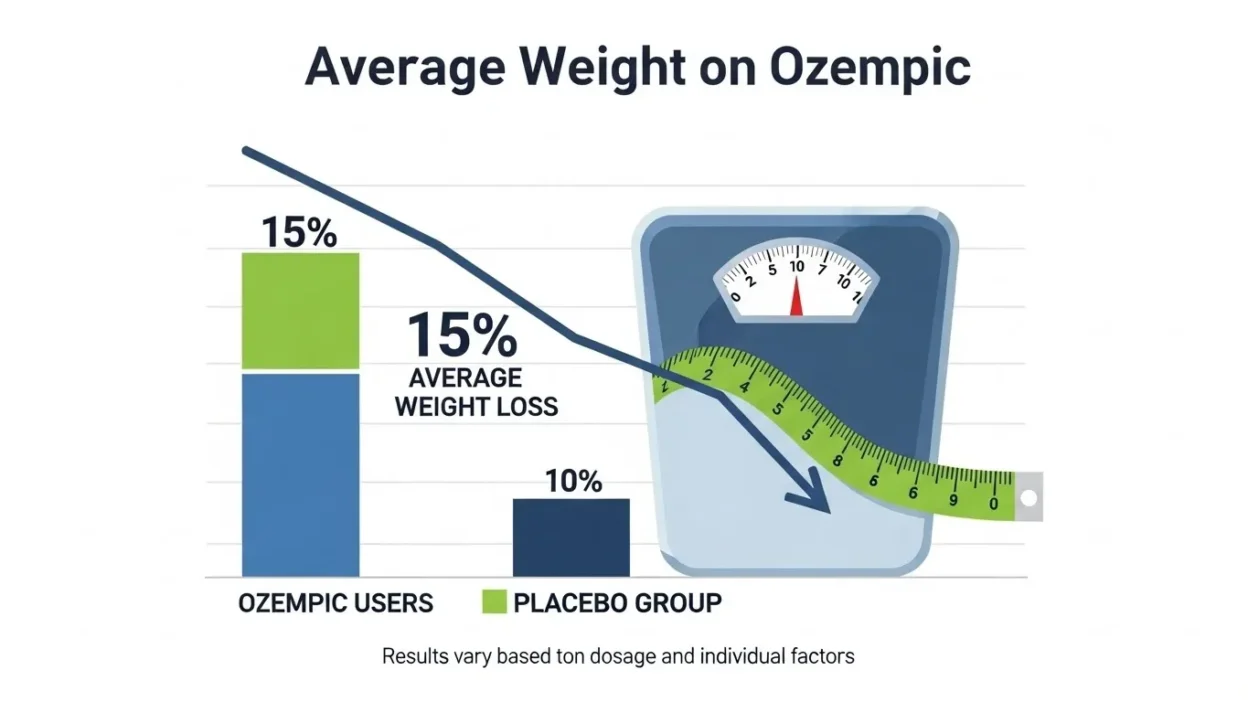
In clinical trials using semaglutide, which is the active ingredient in Ozempic and also in weight‑loss branded versions at higher doses, participants typically lose about 10%–15% of their total body weight after roughly 6 to 12 months of treatment. That means someone weighing 200 pounds might lose 20–30 pounds on average over that time frame when combined with diet and exercise changes. BODi+1
For example, in a major obesity study where participants received weekly semaglutide injections alongside lifestyle interventions, the average weight loss was about 15% of body weight after around 68 weeks—equivalent to roughly 30–35 pounds for many people. BODi+1
Shorter term data also shows meaningful results: after 3 months, many users see an average of about 5%–6% total body weight loss, and by 6 months, that average can climb to around 10%. JAMA Network
It’s important to note that these figures are averages from controlled settings. Some individuals lose more, others less, and real‑world averages can be lower if medication adherence, lifestyle support, or dose optimization isn’t consistent.
Ozempic Weight Loss Timeline: Month-by-Month
Understanding the timeline of weight loss on Ozempic can help you set realistic expectations. Everyone responds differently, but there are common patterns observed in clinical trials and real-world experiences.
First Month: Most people notice subtle changes in appetite. You may feel full faster and snack less, but visible weight loss might be modest—typically 1–3 pounds. Some users experience mild side effects like nausea or digestive changes during this period, which often tapers off after a few weeks.
Months 2–3: Weight loss starts to become more noticeable. On average, users can lose about 5% of their starting body weight by the end of three months. Appetite regulation is stronger, and portion sizes naturally shrink. People who pair Ozempic with healthy eating habits often see better results in this phase.
Months 4–6: This is usually the most consistent period of weight loss. Many users reach around 10% of body weight lost by six months, assuming they are adhering to the prescribed dosage and lifestyle changes. Energy levels often improve, and side effects are typically minimal for most people.
6–12 Months: Weight loss begins to stabilize, with averages in the 10–15% range of total body weight. Beyond a year, results depend heavily on lifestyle habits and continued medication use. Some people may plateau or experience slower loss, which is normal.
Breaking it down month by month helps users understand that Ozempic is a gradual process, not an instant fix. In the next section, we’ll explore the factors that influence how much weight you lose, so you can maximize your results safely and realistically.
Factors That Affect How Much Weight You Lose on Ozempic
While Ozempic can help many people lose weight, the amount of weight lost varies widely. Several key factors influence your results:
1. Dosage and Titration
Ozempic is usually started at a low dose and gradually increased. People on the higher maintenance doses often experience greater weight loss, but increasing too quickly can cause side effects like nausea or digestive issues, which may slow progress.
2. Starting Weight and Body Composition
Those with higher starting weight or BMI may lose more pounds initially, although percentage-wise, results can be similar across different body types. Muscle mass also plays a role—people with more lean mass may burn calories more efficiently.
3. Diet and Nutrition
Ozempic works best when paired with healthy eating habits. Reducing ultra-processed foods, managing portion sizes, and prioritizing protein and fiber can enhance weight loss. Relying solely on the medication without any dietary adjustments usually produces slower, less predictable results.
4. Physical Activity
Regular movement, from walking to structured workouts, improves results. Exercise helps maintain muscle, supports metabolism, and can prevent plateaus during weight loss.
5. Consistency and Adherence
Skipping doses, missing injections, or stopping the medication early can drastically reduce results. Consistency over months is crucial for achieving the average weight loss reported in studies.
Other factors, like age, genetics, hormones, and underlying medical conditions, can also influence outcomes. Understanding these variables helps set realistic expectations and highlights that Ozempic is most effective as part of a comprehensive lifestyle approach.
Ozempic vs Weight Loss Without Medication
Many people wonder whether Ozempic is really necessary or if they could achieve similar results through diet and exercise alone. The truth is, weight loss is always possible without medication, but Ozempic can make the process more consistent and sustainable for many people.
Without medication, weight loss usually relies entirely on creating a calorie deficit—eating fewer calories than your body burns. Studies show that people following diet and exercise programs alone often lose 5%–10% of their body weight over 6–12 months, depending on adherence and lifestyle factors. While this is meaningful, it often requires strict planning and self-control, and plateaus are common.
Ozempic, on the other hand, works from multiple angles—reducing appetite, stabilizing blood sugar, and helping people naturally eat less. As a result, average users on Ozempic plus lifestyle adjustments tend to lose 10%–15% of their body weight in 6–12 months, which is generally higher than most people achieve with diet and exercise alone.
It’s also worth noting that combining Ozempic with healthy habits usually produces the best long-term results. People who rely solely on medication without improving diet or activity may see slower or inconsistent weight loss, and gains can return if the medication stops.
In short, while weight loss is possible without Ozempic, the medication can provide an extra edge—especially for those who struggle with appetite control, cravings, or metabolic barriers. It’s a tool, not a replacement for healthy lifestyle choices.
Ozempic vs Other GLP-1 Medications
Ozempic is just one of several GLP-1 receptor agonists on the market, and many people wonder how it stacks up against alternatives like Wegovy, Mounjaro, or Trulicity. Understanding these differences can help you set realistic expectations and choose the right approach.
Wegovy contains the same active ingredient as Ozempic—semaglutide—but at a higher dose specifically approved for weight loss. Because of the higher dosage, some people may experience slightly faster or more pronounced weight loss on Wegovy compared to Ozempic. However, side effects like nausea or digestive discomfort can also be more noticeable.
Mounjaro (tirzepatide) is a newer GLP-1/GIP dual-agonist that has shown higher average weight loss in clinical trials compared to Ozempic. Some participants lost up to 20% of body weight over 12 months, but the medication is not yet as widely prescribed for everyone and can be more expensive.
Trulicity is primarily used for type 2 diabetes management. While it can aid weight loss to some extent, it’s generally less potent than Ozempic for shedding pounds.
Ultimately, the differences often come down to dosage, individual response, and side effect tolerance. Some people respond better to one medication over another, and what works for a friend or influencer may not work the same way for you.
The key takeaway is that Ozempic is effective for many people, but other GLP-1 medications may offer more or less weight loss depending on your goals, dose, and medical supervision. Always discuss options with a healthcare professional before switching or combining medications.
Common Side Effects That Impact Weight Loss
While Ozempic can help people lose weight, it’s important to understand that side effects can affect both your comfort and results. Knowing what to expect helps you manage them and stay on track with your weight loss goals.
1. Nausea and Vomiting
This is the most common side effect, especially during the first few weeks as your body adjusts to the medication. Mild nausea can actually reduce appetite, but severe nausea may make it hard to eat enough, leading to fatigue or nutrient deficiencies. Starting with a lower dose and gradually increasing usually minimizes this.
2. Digestive Issues
Some people experience diarrhea, constipation, or bloating. These symptoms can temporarily impact weight measurements and energy levels. Staying hydrated and eating high-fiber foods can help manage digestive discomfort.
3. Loss of Appetite
Ozempic’s appetite-suppressing effect is a benefit for weight loss, but for some, it can lead to eating too little. Very low calorie intake may cause muscle loss, fatigue, or weakness, which can slow metabolism if prolonged.
4. Fatigue or Low Energy
Because the medication can reduce food intake, some users feel tired or less motivated to exercise. Balancing nutrition, staying hydrated, and moderate activity can prevent energy dips.
5. Rare Side Effects
Some people may experience headaches, dizziness, or injection site reactions. While uncommon, these can affect overall adherence and, in turn, weight loss.
The key is that most side effects are temporary or manageable. Being aware of them and adjusting diet, hydration, and activity levels ensures you can continue safely and achieve steady weight loss.
What Happens When You Stop Ozempic?
Many people wonder: “If I stop taking Ozempic, will the weight come back?” The short answer is: it can, and this is an important part of setting realistic expectations.
Ozempic works by suppressing appetite, slowing digestion, and stabilizing blood sugar. When the medication is discontinued, these effects gradually fade. Hunger signals return to their normal levels, and many people may start eating more without realizing it. As a result, weight regain is common, especially if lifestyle habits haven’t been firmly established.
Research and real-world observations show that stopping Ozempic can result in regaining a portion of the weight lost within months. The exact amount varies—some regain a few pounds, while others may regain most of the lost weight. Maintaining healthy eating patterns, regular physical activity, and mindful portion control can help minimize rebound weight gain.
For some, doctors recommend gradual tapering or transitioning to other weight management strategies to reduce the risk of regaining pounds. Others continue a long-term plan with lifestyle changes to keep weight off permanently.
The main takeaway is that Ozempic is a tool, not a permanent fix. The best long-term results come from combining the medication with sustainable habits. Thinking of Ozempic as a support system rather than a magic solution helps users set realistic goals and maintain weight loss even after stopping the injections.
Who May Not See Significant Weight Loss on Ozempic
While Ozempic can be highly effective for many people, it’s important to recognize that not everyone will experience dramatic results. Several factors can limit weight loss, and understanding them can help set realistic expectations.
1. Minimal Calorie Deficit
Ozempic helps reduce appetite, but if your overall calorie intake remains high, weight loss may be limited. People who rely solely on the medication without adjusting diet often see slower or smaller results.
2. Hormonal or Metabolic Conditions
Certain conditions like hypothyroidism, polycystic ovary syndrome (PCOS), or insulin resistance can make losing weight more difficult. While Ozempic may still help, results may be less pronounced compared to individuals without these conditions.
3. Inconsistent Use
Missing doses, skipping injections, or stopping medication prematurely can drastically reduce its effectiveness. Consistency is key to achieving the average weight loss reported in clinical studies.
4. Age and Genetics
Older adults may experience slower metabolism, and genetic factors can influence how the body responds to appetite suppression and fat metabolism. This means some people naturally lose weight more slowly on Ozempic.
5. Lifestyle Factors
A sedentary lifestyle, poor sleep, high stress, or continued consumption of ultra-processed foods can all limit weight loss. Even with medication, healthy habits are critical for meaningful results.
In short, Ozempic is not a one-size-fits-all solution. People with metabolic challenges, inconsistent use, or lifestyle barriers may see smaller results. Understanding these limitations helps set realistic expectations and focus on strategies that maximize success.
Is Ozempic Worth It for Average Weight Loss?
Deciding whether Ozempic is worth using for weight loss depends on your goals, health status, and expectations. It’s not a magic solution, but for many people, it can provide a meaningful boost toward achieving sustainable results.
On average, people using Ozempic with healthy lifestyle changes lose about 10%–15% of their body weight over 6–12 months. For someone weighing 200 pounds, that could mean losing 20–30 pounds—a difference that can improve metabolic health, energy levels, and overall quality of life. This is often more than what most people achieve with diet and exercise alone in the same timeframe.
However, there are considerations. Ozempic is a prescription medication, meaning it requires a doctor’s supervision. Some users experience side effects like nausea or digestive discomfort, especially during the first few weeks. Additionally, weight regain is possible if medication stops without proper lifestyle habits in place.
The real value of Ozempic comes when it’s used as a tool alongside sustainable habits: balanced nutrition, regular physical activity, and mindful eating. For people who struggle with appetite control or metabolic barriers, Ozempic can make achieving weight loss more realistic and maintainable.
Ultimately, whether Ozempic is worth it depends on your health priorities, commitment to lifestyle changes, and comfort with potential side effects. Approaching it as a supportive tool rather than a quick fix ensures the best chance of achieving meaningful, long-term results.
Frequently Asked Questions (FAQs) About Ozempic and Weight Loss
1. How much weight can you lose on Ozempic in 3 months?
On average, users lose about 5% of their starting body weight within the first three months. Results vary depending on dose, diet, exercise, and individual metabolism.
2. Is Ozempic weight loss permanent?
Weight loss from Ozempic is not permanent on its own. If the medication is stopped without maintaining healthy habits, some or most of the lost weight may return. Long-term results require sustainable lifestyle changes.
3. Does everyone lose weight on Ozempic?
Not everyone experiences the same results. While many people see meaningful weight loss, factors like starting weight, hormones, genetics, and adherence influence how much you lose. Some may see slower progress.
4. How fast does Ozempic start working?
Appetite suppression often begins within the first week or two, but noticeable weight loss may take several weeks. Most users see measurable results by month two or three.
5. Can Ozempic help without diet changes?
While Ozempic reduces appetite, combining it with healthy eating and regular physical activity maximizes weight loss. Relying solely on medication without lifestyle changes typically leads to slower or smaller results.
6. What is the average weight loss after one year?
Clinical studies show an average of 10%–15% of body weight lost after 12 months when combined with diet and exercise. For a 200-pound person, this could mean 20–30 pounds on average.
7. Are there risks or side effects?
Common side effects include nausea, digestive issues, fatigue, and mild appetite changes. Most are temporary and manageable, but discussing potential risks with a healthcare provider is essential.
These FAQs address the most common concerns and give readers realistic expectations about Ozempic, making it easier to plan their weight loss journey safely.

I’m the Joke Master behind JokeDrops.com. I live to make people laugh with clever puns, funny lines, and daily humor drops. Spreading smiles is my favorite job — one joke at a time!