
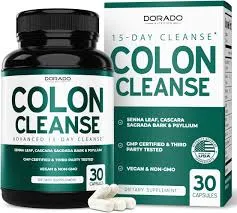
Let’s talk real talk for a second. If you’ve ever Googled Best Colon Cleanse For Weight Loss, chances are your stomach and your patience were both feeling a little… backed up.
We’ve all been there trying smoothies, teas, and that one “miracle” tip your friend swore by. 😅
Colon cleanses sound dramatic, but the goal is simple: feel lighter, less bloated, and maybe finally button those jeans without holding your breath.
So pull up a chair, because I’m breaking this down like we’re chatting face-to-face no awkward medical jargon, no scary promises. Just honest info, a few laughs, and the truth about what actually works.
What Is a Colon Cleanse?
Before you dive into the world of teas, supplements, and detox kits, let’s break it down. Simply put, a colon cleanse is any method—natural, herbal, or medical—that helps flush out waste from your large intestine. Sounds simple, right? But your digestive system isn’t just a garbage chute; it’s a complex organ that absorbs nutrients, regulates water, and houses trillions of gut-friendly bacteria. A good colon cleanse doesn’t just remove waste; it helps your gut function better and may reduce bloating, which is why many people look at it as a first step toward weight loss.
There are a few different types of colon cleanses. Natural colon cleanses include high-fiber foods, plenty of water, probiotics, and herbs like aloe vera. Supplement-based cleanses often come in powders, capsules, or pills containing psyllium husk, senna, or bentonite clay. Then there are colon cleanse teas, which use herbal ingredients to promote bowel movements. Finally, medical procedures like colon hydrotherapy exist but are rarely needed for regular weight management.
Remember, a colon cleanse won’t magically burn fat, but it can help your body release built-up waste and water weight, reduce bloating, and give your digestive system a mini-reset. Think of it as a jumpstart for your gut, not a miracle weight-loss solution.
Does Colon Cleanse Help With Weight Loss?
Let’s get straight to the point: a colon cleanse can help with weight loss, but probably not in the way you’re imagining. Many people assume that doing a cleanse will melt fat off your belly, but here’s the truth—most of the weight you lose is water weight and waste, not fat. When you flush out built-up stool and excess water from your colon, the scale may drop a few pounds quickly, and your stomach feels flatter, but this is usually temporary.
That said, a colon cleanse for weight loss isn’t useless. By reducing bloating and improving bowel movements, it can make you feel lighter and more energetic. Some people notice that after a cleanse, their appetite feels a bit more controlled, which indirectly helps with weight management. Also, certain natural cleanses, like high-fiber foods and probiotics, improve gut health, which can support digestion and metabolism in the long run.
It’s important to separate short-term appearance changes from real fat loss. A colon cleanse might make your tummy look slimmer, but it won’t burn stubborn belly fat on its own. For sustainable weight loss, combine safe cleansing methods with healthy eating, hydration, and regular exercise. Think of colon cleanses as a kickstart or a digestive reset, not a magic shortcut.
Benefits of Colon Cleanse for Weight Loss
So, you’re probably wondering, “If a colon cleanse doesn’t burn fat, why bother?” Well, it turns out a colon cleanse for weight loss comes with some pretty noticeable perks—especially for your digestion and how your stomach looks.
First up, reduced bloating. One of the most immediate benefits is that your belly feels lighter and less swollen. If you’ve ever had that tight, uncomfortable tummy after a heavy meal, you know how great this feels. Flushing out built-up waste and excess water helps your abdomen look flatter almost instantly.
Next, improved digestion. A clean colon makes it easier for your body to absorb nutrients properly. Fiber-rich cleanses and probiotics encourage healthy bowel movements, preventing constipation and keeping your gut happy. A happy gut often leads to better metabolism and less occasional water retention, which supports weight management.
Another benefit is better appetite control. Some people notice that after a cleanse, they feel more satisfied with smaller meals. This can indirectly help with losing or maintaining weight when combined with a healthy diet.
Finally, a colon cleanse can give you a mental boost. Feeling lighter, less bloated, and more energetic makes it easier to stick to your fitness and eating goals. While it’s not a fat-burning miracle, it’s a safe and natural way to jumpstart your body, reset your digestive system, and prepare yourself for healthier habits.
In short, the benefits of a colon cleanse go beyond the scale—they help you feel lighter, cleaner, and more energized, which is a great foundation for weight loss.
Best Natural Colon Cleanse for Weight Loss
If you’re looking for a gentle, safe, and effective way to support your weight loss journey, natural colon cleanses are the way to go. These methods focus on improving digestion, reducing bloating, and flushing out waste without harsh chemicals or strong laxatives.
1. Fiber-Rich Foods:
Fiber is your best friend when it comes to colon health. Fruits, vegetables, whole grains, and legumes help move waste through your digestive system naturally. Soluble fiber, found in oats, apples, and beans, absorbs water and forms a gel-like substance that eases bowel movements. Insoluble fiber, in veggies like broccoli or leafy greens, adds bulk to stool, helping it pass smoothly.
2. Psyllium Husk:
A popular supplement for gentle colon cleansing, psyllium husk swells in the gut and promotes regular bowel movements. It’s natural, effective, and generally safe when taken with plenty of water.
3. Water & Hydration:
Proper hydration is crucial. Water softens stool, prevents constipation, and helps your body flush out toxins naturally. Drinking warm water in the morning can also stimulate digestion.
4. Probiotics & Fermented Foods:
Yogurt, kefir, kimchi, and sauerkraut introduce healthy bacteria into your gut. A balanced gut microbiome improves digestion, reduces bloating, and supports nutrient absorption—all of which help your body feel lighter and more energetic.
5. Lemon Water & Aloe Vera:
While not magical, lemon water supports hydration and digestion, and aloe vera can help soothe the digestive tract. Used safely, they add an extra boost to your natural cleanse.
By focusing on these natural methods, you can support your digestive system, reduce bloating, and create a healthy foundation for weight loss—all without harsh supplements or detox products.
Best Colon Cleanse Supplements for Weight Loss
For those who want a little extra support beyond natural methods, colon cleanse supplements can be effective when used safely. These supplements often come in capsules, powders, or tablets and contain ingredients designed to improve digestion, reduce bloating, and promote regular bowel movements.
1. Psyllium Husk Supplements:
Psyllium husk is a natural fiber that absorbs water and helps move waste through the colon. It’s gentle, effective, and widely recommended for improving gut health.
2. Herbal Ingredients:
Herbs like senna, cascara sagrada, and aloe vera are common in colon cleanse supplements. They stimulate bowel movements and can provide short-term relief from constipation. However, they should be used occasionally, as overuse may lead to dependency or cramping.
3. Bentonite Clay:
This natural clay binds to toxins and helps remove them from the digestive system. It’s often included in detox powders for cleansing the colon.
4. Magnesium-Based Cleansers:
Magnesium can act as a gentle laxative, helping your bowel movements stay regular while supporting hydration.
When choosing a supplement, look for products with natural ingredients, clear dosage instructions, and no hidden stimulants. Avoid harsh laxatives that can irritate your gut or cause dehydration.
Popular products often highlighted for weight loss and gut health include gentle herbal blends, fiber powders, and probiotic-fortified capsules. Remember, supplements support a healthy digestive system but won’t magically burn fat. Pairing them with a fiber-rich diet, water, and regular exercise ensures the best results.
By using the right supplements responsibly, you can enhance your colon cleanse, reduce bloating, and create a more comfortable, lighter feeling—helping your weight loss journey along the way.
Colon Cleanse Tea for Weight Loss — Does It Really Work?
Detox teas have become extremely popular for quick weight loss and a flatter tummy, but do they actually work? The short answer: yes and no. A colon cleanse tea for weight loss can help reduce bloating, flush out water weight, and improve bowel movements, but it won’t magically burn fat.
Most detox teas contain herbal laxatives, like senna or cascara sagrada, which stimulate your colon to release waste. Some blends also include ingredients like dandelion, ginger, or peppermint to support digestion and reduce water retention. The effect is usually noticeable within a few hours or a day, which is why people feel lighter and may see a small drop on the scale.
However, there are important cautions. Overuse of laxative teas can lead to dehydration, electrolyte imbalance, and dependency, especially if consumed daily. Pregnant women, people with digestive disorders, or those on medications should avoid these teas. Think of colon cleanse teas as a short-term tool—best used occasionally rather than as a daily habit.
For safer results, pair your tea with plenty of water, fiber-rich foods, and probiotics. This combination supports gut health, improves digestion, and gives your colon a gentle cleanse without harsh side effects. In other words, detox teas can help you feel lighter and jumpstart your weight loss, but the real benefits come when they’re part of a balanced approach to colon health.
How to Do a Colon Cleanse Safely (Step-by-Step)
If you’re ready to try a colon cleanse for weight loss, it’s important to do it safely. A safe approach helps your digestive system reset without causing dehydration, cramping, or other side effects. Here’s a simple guide for beginners:
1. Start with Hydration:
Water is your best friend during any cleanse. Drinking at least 8–10 glasses of water daily softens stool, flushes out toxins, and prevents dehydration. Warm water in the morning can also stimulate your digestive system naturally.
2. Choose a Gentle Method:
Begin with natural cleanses like fiber-rich foods, psyllium husk, lemon water, or probiotics. If using supplements or teas, pick gentle formulas and follow dosage instructions carefully. Avoid harsh laxatives unless recommended by a doctor.
3. Stick to a Light Diet:
During your cleanse, eat easily digestible foods like fruits, vegetables, and whole grains. Avoid heavy, greasy, or processed foods that can irritate your gut. Small, frequent meals work best.
4. Set a Duration:
A safe cleanse usually lasts 1–3 days for beginners. Longer cleanses may be used occasionally but should not become a habit.
5. Listen to Your Body:
Cramping, nausea, or severe diarrhea are warning signs. Stop the cleanse immediately if you experience discomfort.
6. Support Your Gut After Cleanse:
Introduce probiotics, fermented foods, and plenty of water after your cleanse to maintain healthy digestion and avoid constipation.
By following these steps, you can enjoy the benefits of a colon cleanse—reduced bloating, lighter feeling, and improved digestion—without risking your health. Think of it as a gentle reset for your digestive system, not a crash diet.
Colon Cleanse Side Effects & Risks
While a colon cleanse for weight loss can feel great and reduce bloating, it’s important to understand the potential side effects and risks. Knowing these helps you stay safe and avoid unwanted complications.
1. Dehydration:
Many colon cleanses, especially teas or laxative supplements, cause your body to lose water quickly. Without proper hydration, this can lead to headaches, fatigue, and dizziness. Drinking plenty of water before, during, and after the cleanse is essential.
2. Electrolyte Imbalance:
Excessive cleansing can disturb your body’s sodium, potassium, and magnesium levels, which may affect your heart, muscles, and overall energy. Long-term or frequent cleanses increase this risk.
3. Cramping & Diarrhea:
Herbal laxatives like senna or cascara sagrada stimulate bowel movements, but they can cause cramps, bloating, and loose stools. Overuse may lead to discomfort and irritation in the digestive tract.
4. Dependency Risk:
Relying on strong laxatives or detox teas too often can make your colon dependent on them, making natural bowel movements harder over time.
5. Not Suitable for Everyone:
Pregnant or breastfeeding women, people with digestive disorders like IBS, Crohn’s, or ulcerative colitis, and those on certain medications should avoid colon cleansing without medical supervision.
Key Takeaway:
Colon cleanses can be safe when done occasionally and responsibly, but overdoing them can cause serious issues. Always prioritize hydration, gentle methods, and listening to your body. Remember, colon cleansing is a digestive reset, not a miracle weight-loss tool.
Doctors & Expert Opinions on Colon Cleansing
When it comes to colon cleanses, the medical community has a lot to say—and it’s mostly cautious. According to doctors and gastroenterology experts, colon cleansing can help with temporary bloating and water retention, but it does not lead to permanent fat loss. Most physicians emphasize that the colon naturally eliminates waste efficiently, and a healthy diet with fiber and hydration is often enough for optimal digestion.
1. Limited Scientific Evidence:
There’s very little research showing that colon cleanses directly contribute to long-term weight loss. Most weight changes observed after a cleanse are due to water loss and stool elimination, which can quickly return once you resume normal eating.
2. Occasional Cleansing Can Be Safe:
Many experts agree that gentle, natural colon cleanses—like fiber, probiotics, or hydration-focused methods—are generally safe for healthy adults. These can help relieve constipation, reduce bloating, and improve overall digestion without harsh side effects.
3. Caution Against Frequent or Strong Laxatives:
Doctors warn against frequent use of herbal laxatives, detox teas, or medical colonics, especially for people with digestive conditions, heart issues, or those on medication. Overuse can lead to dehydration, electrolyte imbalance, or even dependency.
4. Bottom Line:
Colon cleansing should be seen as a digestive reset, not a fat-loss strategy. If you want long-term weight management, experts recommend fiber-rich diets, regular exercise, probiotics, and hydration.
In short, colon cleanses can support your gut health temporarily, but relying on them for major weight loss is not recommended. Always consult a healthcare professional before trying any intense cleansing program.
Colon Cleanse Before and After: What Changes Can You Expect?
Many people trying a colon cleanse for weight loss are curious about the results: what actually changes, and what’s realistic to expect. First, it’s important to know that colon cleansing mainly affects bloating, water weight, and digestion, not fat loss.
1. Visible Changes:
After a cleanse, your stomach may appear flatter, and your clothes might feel looser. This is mainly due to the removal of waste and reduced water retention. Some people report feeling lighter by 1–3 pounds in just a day or two, which can be encouraging at the start of a weight-loss journey.
2. Improved Digestion:
You may notice more regular bowel movements and less constipation. A balanced colon helps nutrients pass through efficiently, which supports overall digestive health. This is especially noticeable if you combine the cleanse with fiber, probiotics, and hydration.
3. Reduced Bloating and Gas:
One of the most common “after” benefits is a decrease in bloating and uncomfortable gas. Your tummy feels calmer, and meals may sit better in your digestive system.
4. Energy Boost:
Many people experience a subtle increase in energy. Feeling lighter and less bloated can make daily activities, workouts, and healthy eating routines easier to stick to.
Key Takeaway:
The colon cleanse before-and-after difference is mostly about appearance, comfort, and digestion, not fat burning. For sustainable weight loss, treat it as a reset for your digestive system, not a quick-fix solution.
Colon Cleanse vs Other Weight Loss Methods
Many people wonder if a colon cleanse for weight loss is better than dieting, fasting, or other detox programs. Let’s break it down so you know where it really fits in your weight-loss journey.
1. Colon Cleanse vs Dieting:
A colon cleanse helps remove water weight and waste, giving your stomach a flatter appearance. Dieting, on the other hand, targets calories and fat, which leads to sustainable weight loss over time. Think of a cleanse as a short-term “boost” for your digestive system, while a proper diet is a long-term solution.
2. Colon Cleanse vs Intermittent Fasting:
Fasting focuses on controlling when and how much you eat, encouraging your body to burn fat for energy. Colon cleansing does not burn fat; it mainly clears out waste. That said, some people combine mild cleanses with intermittent fasting to reduce bloating and improve digestive comfort, but the cleanse itself doesn’t increase fat burning.
3. Colon Cleanse vs Detox Diets:
Detox diets often involve extreme calorie restriction or juice-only days. A colon cleanse is gentler, mainly supporting your colon and gut health, while detox diets can sometimes stress your body. Colon cleansing is generally safer and more natural when done occasionally.
Bottom Line:
A colon cleanse is a digestive reset, not a fat-loss method. It’s best used alongside healthy eating, hydration, and exercise rather than as a standalone weight-loss strategy. While dieting, fasting, and detoxes target calories and metabolism, colon cleanses improve comfort, reduce bloating, and make your body feel lighter—giving you a fresh start on your journey to sustainable weight management.
Can Colon Cleanse Help Reduce Belly Fat?
If your main goal is a slimmer waistline, you might be asking: “Will a colon cleanse actually melt belly fat?” The short answer is: not really. While a colon cleanse can make your stomach look flatter temporarily, it does not target fat. Fat loss requires burning more calories than you consume, and spot reduction—losing fat from just your belly—is largely a myth.
What a colon cleanse can do is reduce bloating and water retention. After flushing out built-up waste and excess fluids, your stomach may appear noticeably slimmer. This can give the illusion of belly fat loss, especially in the first few days of your cleanse. Many people report feeling lighter and more comfortable in their clothes after a natural cleanse, which can be motivating for continuing a healthy lifestyle.
Additionally, by improving digestion, a colon cleanse can support your overall gut health, helping your body absorb nutrients better and manage cravings. Some cleanses that include fiber or probiotics may even help regulate appetite, indirectly supporting weight management.
Key Takeaway:
A colon cleanse is a great tool for reducing bloating, improving digestion, and jumpstarting healthier habits, but it does not burn belly fat on its own. For lasting results, combine it with a balanced diet, regular exercise, and hydration. Think of it as a digestive reset that makes your tummy feel lighter, not a shortcut to fat loss.
Frequently Asked Questions (FAQs) About Colon Cleanse for Weight Loss
If you’re considering a colon cleanse for weight loss, you probably have a lot of questions. Here are the most common ones answered clearly:
1. How much weight can I lose from a colon cleanse?
Most people lose 1–3 pounds initially, mainly from water weight and waste, not fat. The effect is temporary, and normal eating will restore most of this weight.
2. Is colon cleansing safe?
When done occasionally and gently, natural colon cleanses are generally safe. Fiber, psyllium husk, probiotics, and hydration are low-risk methods. Avoid frequent use of strong laxatives or detox teas to prevent dehydration or dependency.
3. How often should I do a colon cleanse?
For healthy adults, a gentle cleanse can be done occasionally—once a month or as needed. Daily or frequent cleanses are not recommended without medical supervision.
4. Can colon cleanses help with belly fat?
No. Colon cleanses reduce bloating and water retention, giving a temporary flatter stomach, but they do not burn belly fat. Long-term fat loss requires diet and exercise.
5. Can I exercise during a cleanse?
Yes, light exercise like walking or yoga is fine. Avoid intense workouts if you feel dehydrated or weak.
6. Are colon cleanse teas effective?
They can relieve constipation and reduce bloating, but results are short-term. Overuse can cause cramps, dehydration, or dependency.
7. Do I need a colon cleanse for weight loss?
Not necessarily. A healthy diet, fiber, hydration, and probiotics are often enough. Cleanses can be helpful as a digestive reset or for temporary bloating relief.
Final Verdict: Is Colon Cleanse Worth It for Weight Loss?
So, after exploring all the facts, benefits, and expert opinions, where does a colon cleanse for weight loss really stand? The truth is, colon cleanses are not a magic solution for fat loss. If you’re expecting to melt away belly fat or drop several pounds permanently in a day, you’ll be disappointed.
However, colon cleanses do have real benefits. They can reduce bloating, flush out excess water and waste, improve digestion, and make your tummy feel lighter. For many people, this immediate “reset” creates motivation to continue healthy eating habits, drink more water, and stay active. Gentle, natural methods—like fiber-rich foods, probiotics, psyllium husk, and hydration—are safe and effective for most adults. Some supplements or teas can provide short-term relief from constipation or bloating, but they should be used cautiously and occasionally.
Doctors and experts agree: the best approach is to view colon cleanses as a digestive support tool, not a weight-loss shortcut. Sustainable weight management comes from a combination of balanced diet, regular exercise, hydration, and gut-friendly habits.
Bottom Line:
A colon cleanse is worth it if your goal is improved digestion, reduced bloating, and a temporary lighter feeling, but it should never replace healthy lifestyle choices. Think of it as a gentle nudge for your digestive system—a mini-reset that can make your body feel refreshed and ready for real, long-term weight-loss results.

I’m Oscar Wilde, the Joke Master at JokeDrops.com. With a flair for wit and a love for clever humor, I turn ordinary moments into laughter worth sharing!