
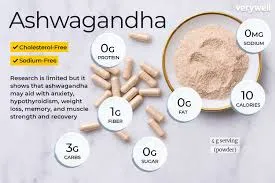
If you’ve been exploring natural ways to support your weight loss journey, you’ve probably come across Ashwagandha an ancient herb celebrated in Ayurvedic medicine for its stress-relieving and health boosting properties.
But the big question remains: does Ashwagandha help you lose weight? While it’s not a magic fat burner, this powerful adaptogen may influence factors that make weight management easier, such as reducing stress, balancing hormones, and improving sleep.
Many people struggle with stubborn belly fat linked to high cortisol levels, and Ashwagandha is believed to help keep cortisol in check.
Beyond stress, it may also support metabolism and energy levels, indirectly supporting your weight goals.
In this article, we’ll dive into the science, explore how Ashwagandha works, discuss proper usage, and share tips on safely incorporating it into your routine to potentially give your weight management efforts a natural boost.
What is Ashwagandha?
Ashwagandha, scientifically known as Withania somnifera, is a small shrub native to India, the Middle East, and parts of Africa. Often called “Indian ginseng”, this herb has been a cornerstone of Ayurvedic medicine for over 3,000 years. Traditionally, it has been used to enhance vitality, improve stamina, and support overall wellness. What makes Ashwagandha especially popular today is its classification as an adaptogen, meaning it helps the body manage stress and maintain balance.
Stress is a major factor in weight gain, particularly around the belly area, and adaptogens like Ashwagandha work by modulating hormones such as cortisol. Beyond stress relief, Ashwagandha is believed to support thyroid function, enhance energy levels, improve sleep quality, and even support immunity. It comes in several forms, including powders, capsules, tinctures, and teas, making it easy to incorporate into daily routines.
Recent interest in Ashwagandha has extended to weight management, as researchers explore its effects on metabolism, cortisol levels, and energy regulation. While it’s not a miracle solution for shedding pounds, understanding its benefits and how it works is the first step to using it effectively. In the next section, we’ll dive into how Ashwagandha may influence weight and why it could be a helpful addition to your wellness journey.
How Ashwagandha May Influence Weight
While Ashwagandha isn’t a magic fat-burning herb, it may influence weight management indirectly by targeting key factors that contribute to weight gain. One of its primary benefits is stress reduction. Chronic stress triggers the release of cortisol, a hormone that can increase appetite, promote fat storage (especially around the belly), and make it harder to lose weight. By helping regulate cortisol levels, Ashwagandha may reduce stress-related cravings and support healthier eating habits.
Ashwagandha may also play a role in thyroid and metabolic function. Some studies suggest that it can help balance thyroid hormones, which are crucial for maintaining a healthy metabolism. A well-functioning metabolism can make it easier to burn calories efficiently and prevent weight gain.
Another way Ashwagandha supports weight management is by improving sleep and energy levels. Poor sleep is linked to weight gain, insulin resistance, and increased hunger. By promoting better sleep quality, Ashwagandha may help the body recover and maintain a balanced appetite.
Additionally, there’s evidence that Ashwagandha can aid in blood sugar regulation, helping to stabilize energy levels and reduce sugar cravings, which often lead to overeating. While more research is needed, these combined effects suggest that Ashwagandha may be a valuable tool in a broader weight management strategy that includes a balanced diet and regular exercise.
Scientific Evidence on Ashwagandha and Weight Loss
When it comes to weight loss, research on Ashwagandha is still in the early stages, but the findings so far are promising. Several human and animal studies suggest that Ashwagandha may help with body composition, metabolism, and stress-related weight gain. One of the most studied effects is its impact on cortisol levels. High cortisol is strongly linked to abdominal fat and difficulty losing weight. Studies have shown that taking Ashwagandha supplements can significantly reduce cortisol, which may indirectly support weight management.
Some small human trials have also explored its effects on body weight and muscle mass. For instance, participants taking Ashwagandha over a period of several weeks showed modest reductions in body fat while sometimes experiencing gains in lean muscle. These changes may be especially beneficial for people combining the herb with a healthy diet and regular exercise.
Animal studies further suggest that Ashwagandha could influence fat metabolism and energy regulation, though results may not always directly translate to humans. Overall, while there is evidence that Ashwagandha can help reduce stress, improve energy, and potentially support body composition, it’s important to note that it is not a standalone weight-loss solution. The research is still limited, and results can vary depending on dosage, form, and individual factors.
In short, Ashwagandha may complement a holistic weight-loss approach, but sustainable results are best achieved through diet, exercise, and lifestyle changes alongside supplementation.
How to Take Ashwagandha for Weight Management
If you’re considering adding Ashwagandha to your routine for weight management, understanding the right dosage and method is key to maximizing its benefits. Ashwagandha is available in several forms, including capsules, powders, tinctures, and teas. Capsules and powders are the most commonly used for consistency and precise dosing.
For adults, typical dosages range from 300 to 600 mg of a standardized extract per day. It’s generally recommended to start with a lower dose to see how your body responds before gradually increasing. The timing of intake can also make a difference. Some people prefer taking Ashwagandha in the morning to support energy and metabolism throughout the day, while others take it in the evening to promote relaxation and better sleep.
To maximize the potential weight-related benefits, Ashwagandha should be combined with healthy lifestyle habits. Regular exercise, a balanced diet, and stress management practices enhance its effects, especially since Ashwagandha works indirectly by regulating hormones like cortisol and supporting energy balance.
It’s also important to choose high-quality supplements from reputable brands. Look for products standardized to contain 5% withanolides, the active compounds responsible for its effects. Consulting with a healthcare professional is recommended, particularly if you are taking medications or have pre-existing health conditions.
Remember, Ashwagandha is not a magic solution for fat loss, but when used correctly, it can be a valuable tool to support your overall weight management efforts.
Potential Side Effects and Precautions
While Ashwagandha is generally considered safe for most healthy adults, it can cause mild side effects in some people. The most common reactions include digestive issues such as nausea, diarrhea, or upset stomach. Some individuals may also experience drowsiness or fatigue, particularly when taking higher doses or using it in the evening. Starting with a lower dose can help your body adjust and reduce the risk of these side effects.
Certain groups of people should exercise caution when using Ashwagandha. Pregnant or breastfeeding women are generally advised to avoid it, as there is limited research on safety in these populations. Individuals with thyroid disorders or autoimmune conditions should consult a healthcare provider before use, because Ashwagandha can influence hormone levels and immune function. People taking medications for thyroid, blood pressure, or diabetes should also seek medical advice to avoid potential interactions.
Long-term safety studies are limited, so it’s recommended to use Ashwagandha moderately and responsibly. Standardized extracts, rather than raw powders, are usually preferred for consistent dosing and quality assurance.
Finally, it’s essential to remember that Ashwagandha is a supplement, not a replacement for a healthy lifestyle. While it may help reduce stress, improve sleep, and support metabolic balance, sustainable weight management requires proper diet, regular exercise, and overall wellness practices. Consulting a healthcare professional ensures that Ashwagandha is safe and effective for your individual needs, making your weight management journey both safer and more productive.
Lifestyle Tips to Enhance Weight Loss
While Ashwagandha can support weight management by reducing stress, improving sleep, and balancing hormones, it works best in combination with a healthy lifestyle. Weight loss is rarely achieved through supplements alone, so integrating consistent habits is essential.
Nutrition plays a key role. Focus on a balanced diet rich in whole foods, including vegetables, fruits, lean proteins, and healthy fats. Minimizing processed foods, sugary drinks, and refined carbs can help prevent blood sugar spikes and fat accumulation. Pairing Ashwagandha with proper nutrition may enhance its effects on metabolism and energy.
Exercise is another critical component. Combining cardio, strength training, and flexibility exercises supports fat loss, builds lean muscle, and boosts metabolism. Even moderate activity, like brisk walking or yoga, can complement Ashwagandha’s stress-relieving benefits.
Sleep and stress management are often overlooked but are essential for sustainable weight management. Poor sleep can increase hunger hormones and cravings, while chronic stress raises cortisol, promoting fat storage. Practices such as meditation, deep breathing, or gentle evening routines can enhance the adaptogenic effects of Ashwagandha.
Finally, consistency is key. Combining Ashwagandha supplementation with healthy eating, regular exercise, and mindful stress management creates a supportive environment for gradual and sustainable weight loss. By adopting these habits, you maximize the herb’s benefits while building a strong foundation for long-term wellness.
Conclusion
So, does Ashwagandha help you lose weight? The short answer is: it can support weight management, but it’s not a magic solution. Its main benefits come from indirect effects—reducing stress, lowering cortisol levels, improving sleep quality, supporting thyroid function, and balancing energy. All of these factors can make it easier to stick to healthy eating habits, maintain an active lifestyle, and prevent stress-related weight gain.
Research suggests that Ashwagandha may also help improve body composition, with some studies indicating modest fat reduction and lean muscle support, especially when combined with exercise. However, scientific evidence is still limited, and individual results can vary depending on dosage, lifestyle, and overall health. It works best as part of a holistic approach rather than as a standalone supplement.
To maximize the benefits, consider incorporating Ashwagandha into a routine that includes balanced nutrition, regular physical activity, quality sleep, and stress management practices. Start with a moderate dose of a high-quality, standardized supplement, monitor how your body responds, and consult a healthcare professional if you have any underlying health conditions or are taking medications.
In summary, Ashwagandha can be a valuable tool in your wellness toolbox. By combining it with consistent lifestyle habits, you create a supportive environment for gradual, sustainable weight management. Remember, the key to success is consistency, patience, and a balanced approach to health.

I’m the Joke Master behind JokeDrops.com. I live to make people laugh with clever puns, funny lines, and daily humor drops. Spreading smiles is my favorite job — one joke at a time!