Saunas have long been associated with relaxation, detoxification, and even weight loss.
Many people wonder: does sauna help you lose weight, or is it just a temporary effect from sweating?
With the rise of infrared saunas and wellness trends, the promise of shedding pounds while sitting in a heated room sounds appealing but how much of it is fact, and how much is myth?
In reality, most weight lost during a sauna session comes from water, not fat.
While this can make the scale show lower numbers temporarily, it doesn’t replace the long-term calorie burn needed for true fat loss.
However, sauna use can still play a supportive role in a healthy lifestyle.
From boosting circulation and aiding post-workout recovery to reducing stress, the sauna has multiple health benefits.
This article dives into the science, myths, and practical ways to use a sauna safely while pursuing weight loss goals.
What Is a Sauna and How Does It Work?
A sauna is a heated room designed to make you sweat, typically with temperatures ranging from 150°F to 195°F (65°C to 90°C) for traditional dry saunas, and slightly lower for infrared saunas. The concept of using heat for relaxation and health dates back centuries, particularly in Nordic countries, where saunas have been an integral part of daily life. Today, saunas are widely used for wellness, stress relief, and post-workout recovery.
There are several types of saunas, each with distinct methods of generating heat:
- Traditional Dry Sauna: Uses heated stones or an electric heater to warm the air, producing intense heat and dry conditions.
- Steam Sauna (Steam Room): Combines heat with high humidity, often exceeding 100°F (38°C) with near 100% humidity, creating a steamy environment.
- Infrared Sauna: Uses infrared light to penetrate the skin and directly heat the body rather than the surrounding air, allowing for lower ambient temperatures while still promoting sweating.
When you enter a sauna, your core body temperature rises, prompting the body to sweat as a cooling mechanism. Heart rate increases, circulation improves, and your body works harder to maintain homeostasis. This elevated heart rate and heat stress are why some people assume saunas help with weight loss. While sitting in a sauna can make you sweat and temporarily lower your weight due to fluid loss, it’s important to understand that this is not the same as burning fat.
Understanding Weight Loss: Fat vs Water Weight
When it comes to weight loss, it’s essential to understand the difference between losing fat and losing water weight. True weight loss occurs when the body burns stored fat for energy, creating a caloric deficit—burning more calories than you consume. Fat loss is gradual and requires consistent exercise, a balanced diet, and healthy lifestyle habits.
In contrast, water weight refers to the temporary fluctuations in body weight caused by the retention or loss of fluids. Factors such as salt intake, hydration levels, hormones, and even the weather can influence water retention. This is why your weight may jump or drop by a few pounds within a single day without any actual fat loss.
Sauna sessions primarily cause water loss through intense sweating. Sitting in a hot environment makes your body sweat to regulate its internal temperature, which can lead to rapid drops on the scale. However, this weight is usually regained after you rehydrate, often within a few hours.
It’s also important to note that sweating does not directly burn fat. While your heart rate may increase slightly in a sauna, the calorie expenditure is minimal compared to active exercise. Understanding this distinction helps prevent common misconceptions about saunas as a shortcut for weight loss. They can temporarily reduce scale weight, but they cannot replace consistent fat-burning methods like diet and exercise.
Does Sauna Help You Lose Weight? (Direct Answer)
The simple answer is: sauna use alone does not lead to significant fat loss. While sitting in a sauna can cause you to sweat heavily and drop a few pounds on the scale, most of this is water weight, not fat. Once you rehydrate, your body weight usually returns to its original level. This is why sauna sessions are often misleading for those hoping to lose weight quickly.
Saunas do increase your heart rate slightly, similar to mild exercise, and your body burns a small number of calories in the process. However, the calorie burn is relatively low compared to traditional forms of exercise such as running, swimming, or strength training. For example, a 30-minute sauna session might burn approximately 50–100 calories—roughly equivalent to a short walk—far from enough to replace a proper workout.
Despite this, saunas can support a weight loss journey indirectly. Regular sauna use can aid in muscle relaxation, reduce post-workout soreness, and improve circulation, which may help you maintain a consistent exercise routine. Additionally, the relaxation and stress reduction benefits of sauna sessions can help regulate hormones like cortisol, which is linked to fat storage, particularly in the abdominal area.
In short, while a sauna can temporarily lower your scale weight and provide health benefits, it is not a replacement for diet, exercise, or sustainable fat loss strategies. Understanding the difference between water loss and fat loss is key to setting realistic expectations for sauna use.
Calories Burned in a Sauna
One of the common questions about sauna use is how many calories it can help you burn. While sitting in a sauna does slightly raise your heart rate and metabolism, the number of calories burned is relatively low compared to traditional exercise. On average, a 30-minute session in a dry sauna may burn roughly 50 to 100 calories, depending on factors like body weight, age, and sauna temperature. Infrared saunas, which heat the body directly rather than the air, may produce similar calorie burn but at a lower temperature, making them feel less intense.
It’s important to put this into perspective. A 30-minute brisk walk can burn around 150–200 calories, and 30 minutes of jogging may burn 300 calories or more, depending on intensity and body weight. This comparison makes it clear that saunas should not be relied upon as a primary tool for fat loss.
That said, saunas can play a supportive role. The slight increase in heart rate and metabolic activity may contribute marginally to overall calorie expenditure. More importantly, the post-sauna relaxation can help improve sleep and reduce stress, which indirectly supports weight management by regulating appetite and hormones like cortisol.
In conclusion, while saunas do burn some calories, the effect is minimal. They are best used as a complement to an active lifestyle, rather than a replacement for regular exercise or dietary strategies for fat loss.
Can Sauna Indirectly Support Weight Loss?
While saunas do not directly burn significant fat, they can indirectly support weight loss by enhancing overall health and fitness routines. One key benefit is post-workout recovery. After an intense workout, muscles often experience micro-tears and soreness. Spending time in a sauna increases blood circulation, delivering oxygen and nutrients to fatigued muscles, which can reduce soreness and promote faster recovery. This allows for more consistent workouts, which is essential for long-term fat loss.
Another way saunas may support weight management is through stress reduction. High stress levels trigger the release of cortisol, a hormone that can lead to fat storage, especially around the belly. Regular sauna sessions promote relaxation, lower stress, and can help regulate cortisol levels, indirectly supporting a healthier metabolism and appetite control.
Saunas may also slightly increase heart rate and metabolic activity, mimicking light cardiovascular exercise. While the calorie burn is modest, combining this effect with proper nutrition and regular exercise can contribute to overall weight loss goals.
Additionally, some research suggests that infrared saunas may improve blood sugar regulation and circulation, which can enhance energy levels and exercise performance. While these effects are not substitutes for fat-burning exercise, they help create an environment in which weight loss is more achievable.
In summary, saunas provide supportive benefits for weight loss by aiding recovery, reducing stress, and enhancing metabolism, but they should always be combined with exercise and a healthy diet for sustainable results.
Sauna and Belly Fat: Is There a Connection?
Many people hope that using a sauna can help target belly fat, but this is a common misconception. The idea of “spot reduction”—losing fat in a specific area by targeting it with heat or exercise—is largely a myth. Fat loss occurs systemically, meaning your body decides where to burn fat based on genetics, hormones, and overall energy balance, not where you sweat.
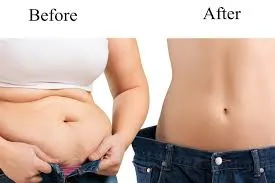
While sitting in a sauna can make your midsection sweat profusely, this is primarily water loss, not fat reduction. The temporary flattening of the stomach or the drop in scale weight after a sauna session is due to fluid depletion, which is quickly restored once you rehydrate. Therefore, any appearance of a smaller waistline after a sauna is short-lived and cosmetic, not a true measure of fat loss.
That said, sauna use can support your overall weight loss strategy indirectly. For example, the relaxation and stress reduction provided by sauna sessions may help regulate cortisol, a hormone linked to abdominal fat accumulation. Additionally, improved circulation and recovery from workouts can allow you to maintain more consistent exercise routines, contributing to systemic fat loss over time.
In short, while a sauna can temporarily reduce bloating or water retention in the belly area, it cannot specifically burn belly fat. True reduction in abdominal fat requires a consistent caloric deficit, regular exercise, and a healthy lifestyle.
Scientific Studies and Medical Evidence
When it comes to saunas and weight loss, scientific research provides clarity on what is fact versus myth. Multiple studies confirm that while sauna sessions lead to temporary weight loss, the reduction is almost entirely due to water loss, not fat loss. For instance, participants in studies often lost 1–2 kilograms (2–4 pounds) after extended sauna sessions, but these numbers returned after rehydration.
Research on infrared saunas shows similar results. Infrared heat can penetrate the skin more deeply and may increase heart rate slightly, but the resulting calorie burn is modest, generally comparable to light walking. No study to date provides strong evidence that saunas alone cause significant fat loss over time.
Some studies have highlighted indirect health benefits of regular sauna use. For example, regular sauna sessions are linked to improved cardiovascular health, better circulation, and reduced stress markers. Lower stress can help regulate hormones like cortisol, which indirectly supports weight management. Saunas also aid in post-exercise recovery, reducing muscle soreness and allowing for more consistent workouts, which is critical for fat loss.
Medical experts emphasize that saunas should be seen as a supplementary wellness tool rather than a primary weight loss method. While they offer relaxation and minor metabolic benefits, sustainable fat loss depends on maintaining a caloric deficit through proper diet and consistent physical activity.
In conclusion, scientific evidence supports the temporary and supportive role of saunas in a weight loss journey, but they are not a shortcut to burning fat.
Common Sauna Weight Loss Myths
Saunas are often surrounded by myths when it comes to weight loss. Understanding these misconceptions can help you use a sauna safely and avoid unrealistic expectations.
Myth 1: Sweating Burns Fat
While saunas make you sweat profusely, sweating is primarily a mechanism for cooling the body, not burning fat. The weight you lose during a sauna session is mostly water weight, which returns once you rehydrate. Sweat alone does not affect your body’s fat stores.
Myth 2: Sauna Detoxifies Fat
Some claims suggest that saunas help eliminate toxins stored in fat through sweating. In reality, the liver and kidneys are the primary organs responsible for detoxification. Sweating does expel trace amounts of certain substances, but it does not directly burn fat or detoxify the body in a meaningful way.
Myth 3: Daily Sauna Replaces Exercise
Saunas cannot replace physical activity. While they may slightly increase heart rate and calorie burn, the effect is minimal compared to cardio or strength training. Relying on sauna sessions alone will not result in meaningful fat loss or improvements in fitness.
Myth 4: Longer Sessions Mean More Weight Loss
Extending sauna sessions may increase water loss but not fat loss. Overdoing it can be dangerous, leading to dehydration, dizziness, and electrolyte imbalance. Safe session durations are essential for health.
By understanding these myths, you can approach sauna use realistically. Saunas can support wellness and relaxation, but true, sustainable weight loss requires diet, exercise, and lifestyle management, not just sitting in a hot room.
Risks and Side Effects of Using Sauna for Weight Loss
While saunas offer relaxation and minor health benefits, they also come with risks if used improperly, especially for weight loss purposes. One of the most common dangers is dehydration. Intense sweating in a hot environment can lead to significant fluid loss, which may cause dizziness, lightheadedness, headaches, or even fainting. Rehydration before and after each session is crucial to prevent these issues.
Another concern is electrolyte imbalance. Along with water, the body loses sodium, potassium, and other electrolytes during heavy sweating. If not replaced, this can affect muscle function, heart rhythm, and overall health. People who use saunas for prolonged periods without proper hydration are particularly at risk.
Certain groups should avoid or limit sauna use. These include:
- Individuals with heart conditions or unstable blood pressure, as heat stress can strain the cardiovascular system.
- Pregnant women, due to risks of overheating.
- People on medications that affect blood pressure, hydration, or thermoregulation.
To use a sauna safely, it’s recommended to limit sessions to 15–30 minutes, listen to your body, and hydrate adequately. Cooling down gradually afterward is also important.
In summary, while saunas can be a relaxing addition to a wellness routine, attempting to use them as a shortcut for weight loss can be unsafe if precautions aren’t taken. Understanding these risks ensures you can enjoy the benefits of sauna use without compromising health.
How to Use Sauna the Right Way for Weight Loss Goals
While saunas alone do not directly cause fat loss, they can be a supportive tool when incorporated safely into a weight loss routine. The key is using them wisely and combining sauna sessions with healthy habits like exercise, proper nutrition, and hydration.
1. Best Time to Use a Sauna
Many experts recommend using a sauna after a workout. Heat exposure after exercise can help relax muscles, reduce soreness, and promote recovery, allowing you to maintain a consistent exercise routine—critical for sustainable fat loss. Some people also use saunas in the evening to relax and reduce stress, which can indirectly support weight management.
2. Stay Hydrated
Since saunas cause significant sweating, it’s essential to drink water before, during, and after your session. Replenishing fluids prevents dehydration, fatigue, and electrolyte imbalance. Some people also consume beverages rich in electrolytes if sessions are long or particularly hot.
3. Session Duration and Frequency
Limit sessions to 15–30 minutes, depending on your tolerance and sauna type. Beginners should start with shorter sessions and gradually increase the time. Regular use—2–4 times per week—is sufficient to enjoy relaxation and recovery benefits without overtaxing your body.
4. Combine with Exercise and Diet
Saunas should supplement—not replace—fat-burning activities like cardio, strength training, and a balanced diet. Using a sauna as a post-workout tool can enhance recovery and reduce stress, creating an environment conducive to long-term weight loss.
By following these guidelines, sauna use can be both safe and supportive, helping you achieve your weight loss goals more effectively while promoting overall wellness.
Sauna vs Other Weight Loss Methods
When it comes to losing weight, it’s important to understand where saunas fit compared to other methods. While sitting in a sauna may lead to temporary water weight loss and minor calorie expenditure, it cannot replace more effective fat-burning strategies such as exercise and diet.
Exercise: Physical activity—like running, cycling, swimming, or strength training—burns significantly more calories than a sauna session. For example, a 30-minute jog can burn 250–400 calories depending on intensity, whereas a 30-minute sauna session may only burn 50–100 calories. Exercise also promotes fat loss while building muscle, which increases your resting metabolism.
Diet: Sustainable weight loss relies heavily on creating a caloric deficit through healthy eating. A balanced diet that emphasizes whole foods, adequate protein, and proper portion sizes is far more effective for reducing body fat than relying on heat exposure.
Sauna’s Role: Saunas serve as a supplementary tool. They can aid in post-workout recovery, reduce stress, improve circulation, and provide temporary water weight loss—all of which support a broader weight loss plan. However, using a sauna alone will not produce long-term fat loss.
In short, saunas should be viewed as an enhancement to a healthy lifestyle, not a replacement. Combining saunas with regular exercise and a proper diet provides the best environment for sustainable weight management, recovery, and overall wellness.
Frequently Asked Questions (FAQ)
Saunas are popular, but they come with many questions, especially regarding weight loss. Here are answers to some of the most common queries:
1. Can you lose weight by using a sauna every day?
Daily sauna use can lead to temporary water weight loss, but it does not result in significant fat loss. Sustainable weight loss requires exercise and a caloric deficit, not just heat exposure.
2. How much weight can you lose in one sauna session?
Most people may lose 1–2 pounds (0.5–1 kg) per session, primarily from water loss. This weight returns once you rehydrate.
3. Is an infrared sauna better for weight loss?
Infrared saunas heat the body directly and may feel more intense at lower temperatures, but calorie burn is similar to traditional saunas. There’s no strong evidence that infrared saunas promote fat loss more effectively.
4. Can a sauna help you lose belly fat?
No. Saunas cannot target fat in specific areas. Any reduction in belly size is temporary and due to water loss, not fat burning. Fat loss occurs systemically through diet and exercise.
5. How long should you stay in a sauna?
For safety, limit sessions to 15–30 minutes, depending on tolerance and sauna type. Beginners should start shorter and gradually increase the time. Always hydrate before and after.
6. Can sauna use replace exercise?
No. Saunas may increase heart rate slightly, but they cannot replace the calorie burn, muscle development, and fat loss achieved through physical activity.
Understanding these facts helps set realistic expectations and ensures safe sauna use while supporting overall wellness.

I’m the Joke Master behind JokeDrops.com. I live to make people laugh with clever puns, funny lines, and daily humor drops. Spreading smiles is my favorite job — one joke at a time!