
When most people think about losing weight, fats are often the first thing they try to cut out.
But not all fats are created equal and some can actually help you shed pounds rather than add them.
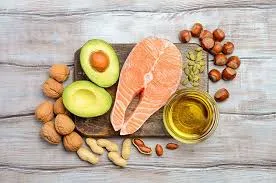
Healthy fats, like those found in avocados, nuts, olive oil, and fatty fish, are essential for keeping your body fueled, your metabolism running smoothly, and your hunger in check.
Unlike unhealthy trans fats, these good fats provide energy, support hormone balance, and help your body absorb important vitamins.
Incorporating the right types of fats into your diet can actually make weight loss easier and more sustainable.
In this article, we’ll explore the different kinds of healthy fats, how they work in your body, the best sources to include in your meals, and practical tips for eating them in moderation.
Say goodbye to the “all fat is bad” myth it’s time to embrace fats the smart way.
Understanding Fats
Fats are one of the three essential macronutrients, along with protein and carbohydrates. They play a crucial role in your body, from providing energy and supporting brain function to maintaining healthy skin and hormone balance. However, not all fats are created equal, and understanding the different types is key to using them for weight loss.
There are three main types of fats: saturated fats, unsaturated fats, and trans fats. Saturated fats are commonly found in animal products like butter, cheese, and red meat. While often labeled as “bad,” they can be part of a balanced diet when consumed in moderation. Unsaturated fats, which include monounsaturated and polyunsaturated fats, are the true superheroes for weight management. Monounsaturated fats are found in avocados, olive oil, and nuts, while polyunsaturated fats, including omega-3 fatty acids, are abundant in fatty fish, flaxseeds, and chia seeds. These fats help improve cholesterol levels, reduce inflammation, and support fat metabolism.
On the other hand, trans fats—mostly found in processed foods, fried items, and baked goods—are harmful and should be avoided, as they contribute to heart disease and weight gain. By focusing on unsaturated fats and limiting harmful fats, you can fuel your body efficiently, control hunger, and support your weight loss journey naturally.
How Healthy Fats Help With Weight Loss
Healthy fats do more than just provide energy—they play an active role in helping your body lose weight. One of their main benefits is promoting satiety. Because fats digest more slowly than carbohydrates, including them in your meals helps you feel full for longer, reducing the temptation to snack on high-calorie, low-nutrient foods. This can make sticking to a calorie-controlled diet much easier.
Fats also influence hormone regulation, which is essential for weight management. Hormones like leptin, which signals fullness, and insulin, which regulates blood sugar, are affected by dietary fat intake. Consuming the right types of fat helps stabilize blood sugar levels and supports your body’s natural fat-burning processes.
Additionally, healthy fats are vital for absorbing fat-soluble vitamins—A, D, E, and K—which are essential for metabolism, immunity, and overall health. Some studies even suggest that diets higher in unsaturated fats may increase the rate at which the body burns fat.
Incorporating fats like olive oil, avocado, nuts, and fatty fish into meals can make weight loss more sustainable by keeping you satisfied and energized. The key is moderation and balance—overdoing even healthy fats can lead to excess calories—but when used correctly, they are a powerful ally in achieving your weight loss goals.
Best Sources of Healthy Fats
When it comes to weight loss, not all fats are equally beneficial. The key is to focus on healthy fats that nourish your body and support fat-burning processes. Monounsaturated fats are some of the best options. Foods like avocados, olive oil, almonds, and cashews are rich in monounsaturated fats, which help improve heart health, stabilize blood sugar, and keep you feeling full for longer periods. Adding these fats to your meals can help curb cravings and reduce overall calorie intake.
Polyunsaturated fats, including omega-3 and omega-6 fatty acids, are another excellent choice. Fatty fish such as salmon, sardines, and mackerel are packed with omega-3s, which not only promote fat metabolism but also reduce inflammation, supporting overall health during weight loss. Plant-based sources, like chia seeds, flaxseeds, and walnuts, provide essential omega-3s for those who prefer a vegetarian diet.
Other easy ways to include healthy fats include nuts and seeds as snacks, drizzling olive oil on salads, or adding avocado to smoothies and sandwiches. Even small daily portions can make a difference, as these fats help control hunger and provide steady energy throughout the day.
The goal is not to eliminate fat but to choose the right types and use them strategically. By incorporating these sources consistently, you can enjoy flavorful meals, maintain energy levels, and support a sustainable weight loss journey without feeling deprived.
Portion Control & Healthy Fats
While healthy fats are essential for weight loss, they are also calorie-dense, providing 9 calories per gram—more than double the calories found in protein or carbohydrates. This means that even nutrient-rich fats can contribute to weight gain if portions aren’t managed carefully. Understanding portion control is key to enjoying fats while staying on track with your weight loss goals.
A simple strategy is to measure servings rather than guessing. For example, a typical portion might include:
- 1 tablespoon of olive oil
- 1/4 of a medium avocado
- 1 ounce (about a small handful) of nuts or seeds
Spreading these portions throughout the day, rather than consuming them all at once, helps maintain satiety and provides steady energy. Pairing fats with protein and fiber-rich foods like vegetables, whole grains, or lean meat can further enhance fullness and prevent overeating.
It’s also helpful to substitute rather than add. For instance, drizzle olive oil on roasted vegetables instead of using butter, or snack on a handful of almonds instead of chips. This way, you’re incorporating healthy fats without dramatically increasing your total calorie intake.
By focusing on moderation and mindful eating, you can take advantage of the benefits of healthy fats—like reduced cravings, stable blood sugar, and improved metabolism—while avoiding excess calories. With proper portion control, fats become a powerful tool in your weight loss journey rather than an obstacle.
Common Myths About Fats
Despite growing awareness about nutrition, fats still carry a lot of myths—especially when it comes to weight loss. Many people automatically assume that eating any fat will make them gain weight, but this isn’t true. Healthy fats can actually support weight loss when consumed in moderation.
Myth 1: “All fats make you fat.”
This is perhaps the most common misconception. Fats are calorie-dense, but not all fats are harmful. Unsaturated fats like those in avocados, olive oil, nuts, and fatty fish help you feel full, boost metabolism, and support hormone function—all of which can aid weight loss.
Myth 2: “Saturated fats are always bad.”
While overconsumption of saturated fats from processed foods can be unhealthy, natural sources like dairy and coconut oil in moderation can fit into a balanced diet. The key is balance and not relying solely on saturated fats.
Myth 3: “Low-fat diets are the best way to lose weight.”
Many people cut out fats entirely, but research shows that low-fat diets are not always more effective than diets that include healthy fats. In fact, diets including good fats often result in better satiety, fewer cravings, and improved adherence to a calorie-controlled plan.
By separating fact from fiction, it becomes clear that fats are not the enemy. Choosing the right types of fats, eating appropriate portions, and combining them with a balanced diet can help you lose weight more effectively than avoiding fats altogether.
Combining Healthy Fats with Other Weight Loss Strategies
Including healthy fats in your diet is only one part of a successful weight loss plan. To maximize results, it’s important to combine fats with other effective strategies such as proper nutrition, exercise, and smart meal planning. One key approach is to pair healthy fats with protein and fiber-rich foods. For example, adding avocado to a salad with grilled chicken or sprinkling chia seeds on oatmeal helps slow digestion, keep blood sugar stable, and maintain satiety for longer periods.
Meal timing also plays a role. Consuming healthy fats earlier in the day can provide steady energy and reduce mid-day cravings. Conversely, adding a small portion of fats to dinner can prevent late-night snacking. Fats can also complement popular diets like the Mediterranean diet, low-carb plans, or intermittent fasting, supporting both energy levels and adherence to calorie goals.
Exercise further enhances the benefits of healthy fats. Combining strength training with a diet that includes unsaturated fats helps maintain muscle mass while promoting fat loss. Additionally, omega-3 fatty acids found in fatty fish and nuts can reduce inflammation and improve recovery, making workouts more effective.
By strategically incorporating healthy fats alongside balanced meals, regular exercise, and mindful eating, you can create a sustainable approach to weight loss that fuels your body, reduces cravings, and supports long-term results.
Potential Risks & Considerations
While healthy fats offer many benefits for weight loss, it’s important to approach them mindfully. One of the main concerns is overconsumption, as fats are calorie-dense, providing 9 calories per gram. Eating large amounts—even from healthy sources like nuts, avocado, or olive oil—can quickly add excess calories, which may counteract weight loss efforts. Portion control is essential to reap the benefits without overeating.
Another consideration is food allergies and sensitivities. Common fat sources such as nuts, seeds, or fish may trigger allergic reactions in some people. Always be aware of personal dietary restrictions and consult a healthcare provider if you’re uncertain about introducing new foods.
It’s also crucial to balance fats with other macronutrients. Relying too heavily on fats while neglecting protein and fiber can lead to poor nutrition, energy fluctuations, and decreased muscle maintenance. A well-rounded diet ensures that your body gets the nutrients it needs for metabolism, energy, and overall health.
Finally, certain populations—such as pregnant women, individuals with heart conditions, or those with digestive disorders—should monitor their fat intake more closely and seek professional guidance.
In short, while healthy fats are valuable for weight loss, moderation, balance, and awareness of personal health needs are key. When consumed thoughtfully and combined with a nutrient-rich diet, fats become a safe and effective ally in achieving and maintaining your weight loss goals.
Practical Tips & Meal Ideas
Incorporating healthy fats into your diet doesn’t have to be complicated. The key is making smart swaps and simple additions that fit naturally into your meals. One easy strategy is to replace unhealthy fats with healthy alternatives. For example, swap butter or margarine for olive oil when cooking or drizzling over vegetables. Instead of snacking on chips, reach for a handful of nuts or seeds, which provide protein, fiber, and heart-healthy fats.
Meal planning can make including fats easier. Start your day with avocado on whole-grain toast or a smoothie blended with flaxseeds or chia seeds. For lunch, add olive oil or avocado to salads, or top a lean protein with sliced almonds or walnuts. Dinner can include fatty fish like salmon or mackerel, roasted with vegetables and drizzled with olive oil.
Snacking doesn’t have to be off-limits either. Try Greek yogurt topped with nuts, or hummus with raw vegetables. Even small additions of healthy fats throughout the day can improve satiety, maintain energy levels, and prevent cravings.
Another tip is to focus on whole, unprocessed foods. Packaged “low-fat” items often replace fat with sugar, which can sabotage weight loss. By prioritizing natural sources of fats and being mindful of portions—roughly a tablespoon of oil, a quarter of an avocado, or a small handful of nuts—you can enjoy flavorful meals while supporting your weight loss journey.
Conclusion
Healthy fats are often misunderstood in the world of weight loss. Many people assume that avoiding all fats is the key to shedding pounds, but the truth is quite the opposite. Incorporating the right types of fats into your diet can support weight loss, improve satiety, and help your body function optimally. Fats like monounsaturated and polyunsaturated varieties, found in avocados, olive oil, nuts, seeds, and fatty fish, provide essential nutrients, help regulate hormones, and promote stable blood sugar levels.
The key to using fats effectively is balance and moderation. Even healthy fats are calorie-dense, so portion control is essential to avoid overconsumption. Pairing fats with protein, fiber, and whole foods ensures you stay full, energized, and satisfied throughout the day. Meal planning, simple swaps, and mindful eating can make including fats both practical and enjoyable.
By embracing healthy fats instead of fearing them, you can create a sustainable, flavorful approach to weight loss. Rather than viewing fats as the enemy, think of them as allies powerful tools that nourish your body, curb cravings, and help you reach your weight loss goals more efficiently. With the right knowledge and habits, fats can be your secret weapon for lasting success.

I’m the Joke Master behind JokeDrops.com. I live to make people laugh with clever puns, funny lines, and daily humor drops. Spreading smiles is my favorite job — one joke at a time!