If you’ve ever scrolled through social media or wellness blogs, you’ve probably seen glowing photos of colorful juices promising a slimmer, healthier you.
But juicing isn’t just a trendy fad it can be a delicious and effective way to support weight loss when done right.
Packed with vitamins, minerals, and antioxidants, weight loss juices can boost your metabolism, curb cravings, and provide a refreshing way to hydrate your body.
From nutrient rich green blends to sweet and tangy fruit combinations, there’s a juice recipe for every taste and lifestyle.
In this article, we’ll dive into the best juice recipes for weight loss, highlight the top ingredients that burn fat and detox your system, and give practical tips to integrate juicing into your daily routine.
You’re a beginner or a juice enthusiast, get ready to sip your way toward a healthier, more energized you.
Why Juicing Can Help With Weight Loss
Juicing can be a powerful ally in your weight loss journey, but it works best as part of a balanced lifestyle rather than a magic solution. One of the main reasons juices are effective for slimming down is that they are low in calories but high in nutrients. Unlike sugary drinks or processed snacks, a freshly made juice provides essential vitamins, minerals, and antioxidants that support your metabolism and overall health while keeping your calorie intake in check.
Many juice ingredients, like leafy greens, cucumber, and celery, are naturally low in calories but high in water and fiber, which help you feel full longer and reduce unnecessary snacking. Fruits like berries, grapefruit, and apples not only add natural sweetness but also contain compounds that can boost fat metabolism. Adding ingredients such as ginger, lemon, or cayenne pepper can further support digestion and enhance calorie burning.
Juices are also excellent for hydration, which is often overlooked in weight loss. Staying hydrated helps regulate appetite, improves digestion, and supports your body’s natural detoxification processes. While juicing isn’t a replacement for whole meals, incorporating nutrient-rich juices into your daily routine can accelerate weight loss, increase energy levels, and make healthy eating more enjoyable.
Best Ingredients for Weight Loss Juices
Choosing the right ingredients is key to making juices that actually support weight loss. The best juice recipes combine low-calorie, nutrient-dense fruits and vegetables with natural metabolism boosters.
Vegetables are the backbone of weight loss juices. Leafy greens like spinach, kale, and Swiss chard are packed with vitamins, minerals, and fiber while being very low in calories. Cucumber and celery add a refreshing taste and high water content, which helps keep you full and hydrated. Carrots and beets are slightly sweeter but rich in antioxidants and fiber, supporting digestion and overall health.
Fruits add natural sweetness and essential nutrients without spiking blood sugar too much. Berries—such as blueberries, strawberries, and raspberries—are low in calories, high in fiber, and full of antioxidants that help fight inflammation. Citrus fruits like lemon, lime, and grapefruit are great for metabolism and digestion, and apples or pears provide mild sweetness with added fiber.
Superfoods and boosters take your juices to the next level. Ingredients like ginger, turmeric, cayenne pepper, and chia seeds can help increase calorie burn, reduce inflammation, and improve digestion. Adding fresh herbs like mint or parsley can also enhance flavor while supporting detox.
By combining these ingredients thoughtfully, you can create juices that are not only delicious but effective for weight loss, helping you feel energized, satisfied, and on track toward your fitness goals.
10–12 Juice Recipes for Weight Loss
Creating delicious, low-calorie juices is easier than you think. Here are some easy and effective juice recipes to help support weight loss:
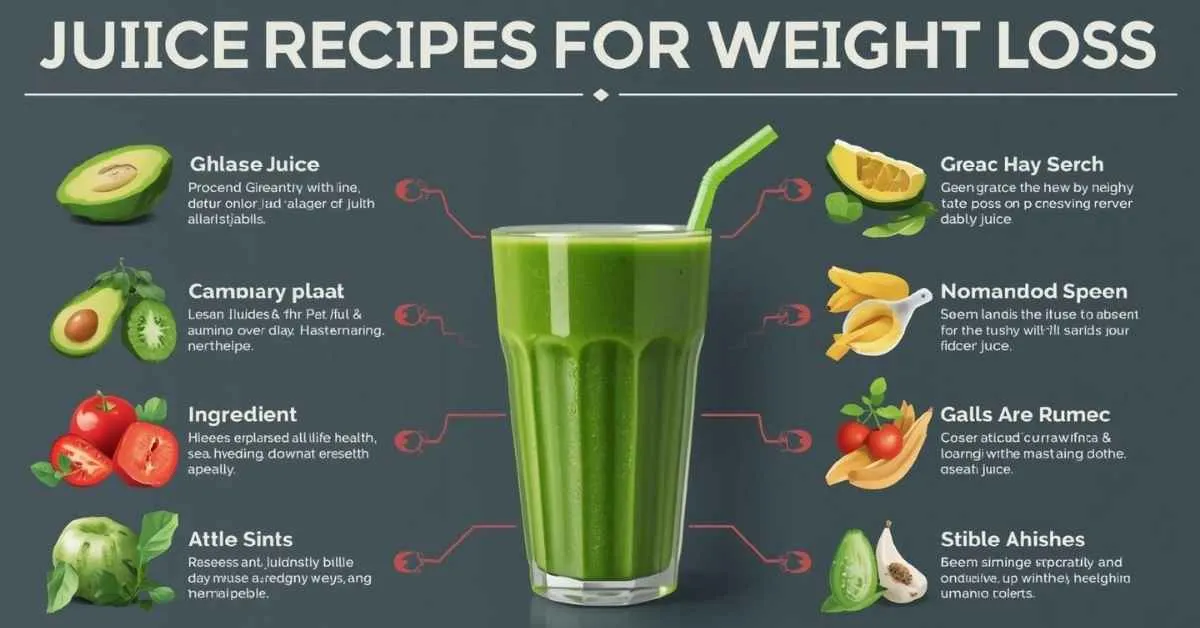
- Green Detox Juice – Spinach, cucumber, celery, lemon, ginger. Refreshing, hydrating, and packed with fiber to keep you full.
- Berry Metabolism Booster – Blueberries, strawberries, raspberries, apple. Antioxidant-rich and naturally sweet, perfect for a mid-morning drink.
- Citrus Slimming Juice – Grapefruit, orange, lime, and a touch of mint. Boosts metabolism and supports digestion.
- Pineapple Fat-Burning Juice – Pineapple, cucumber, lemon. Contains bromelain to aid digestion and reduce bloating.
- Carrot Ginger Cleanse – Carrot, apple, ginger. Supports liver function and gives a natural energy lift.
- Watermelon Refreshing Juice – Watermelon, lime, mint. Extremely hydrating with very low calories.
- Beetroot Energy Juice – Beet, carrot, orange. Helps improve circulation and stamina for workouts.
- Cucumber Aloe Vera Detox – Cucumber, aloe vera, lemon. Supports digestion and reduces water retention.
- Spicy Green Lemonade – Kale, celery, lemon, cayenne pepper. Combines detoxifying greens with a metabolism boost.
- Apple Cinnamon Fat-Burning Juice – Apple, cinnamon, a touch of ginger. A satisfying, slightly sweet option that keeps cravings in check.
Each of these juices is nutrient-rich, low-calorie, and easy to prepare at home. You can enjoy them as part of your breakfast, a mid-day snack, or pre-workout drink. By rotating these recipes, you’ll get a variety of flavors and nutrients while keeping your weight loss journey exciting and sustainable.
How to Drink Juices for Maximum Weight Loss
Drinking juices strategically can make a big difference in how effective they are for weight loss. First, timing matters. Many experts recommend enjoying juices in the morning or between meals, when your body can best absorb nutrients and use them for energy. A nutrient-rich juice first thing in the morning can kickstart your metabolism, help hydrate your body, and provide a natural energy boost without excess calories.
Portion control is equally important. While juices are healthy, consuming large amounts can unintentionally add calories and sugar. Stick to 8–12 ounces per serving, and pair your juice with fiber-rich foods when possible to help you feel fuller longer. For example, drinking a green detox juice alongside a small bowl of oatmeal or a handful of nuts can make a satisfying, balanced breakfast.
It’s also important to remember that juices are supplements, not meal replacements. They work best when combined with a balanced diet and regular exercise. Incorporating juices into your daily routine can help reduce cravings for processed snacks and sugary drinks, making healthier choices easier throughout the day.
Finally, consistency is key. Drinking nutrient-rich juices regularly, even just once a day, can gradually improve digestion, energy levels, and appetite control. By following these simple guidelines, you can make your weight loss juices a powerful, sustainable tool in achieving your fitness goals while still enjoying delicious flavors.
Juicing Tips & Lifestyle Integration
To get the most out of your weight loss juices, it’s important to integrate juicing into your lifestyle thoughtfully. One of the first tips is to choose fresh, high-quality ingredients. Whenever possible, use organic fruits and vegetables to avoid pesticides and maximize nutrient content. If fresh produce isn’t available, frozen fruits and vegetables are a great alternative that preserves vitamins and antioxidants.
Meal prepping your juices can save time and keep you consistent. Prepare ingredients the night before or blend in batches for 1–2 days, storing juices in airtight glass bottles to retain freshness. Avoid plastic containers whenever possible, as they can affect taste and quality.
Balancing juices with whole foods is also essential. While juices provide concentrated nutrients, whole fruits, vegetables, lean proteins, and healthy fats are necessary for satiety and long-term weight management. Juices should complement your meals, not replace them entirely, to ensure you’re meeting all your nutritional needs.
It’s also helpful to rotate ingredients to avoid monotony and maximize nutrient diversity. Experiment with different flavor combinations and superfood boosters like ginger, turmeric, or chia seeds to keep things interesting.
Finally, listen to your body. Juicing should make you feel energized and satisfied, not lightheaded or overly hungry. By integrating juicing smartly, staying hydrated, and combining it with a balanced diet and exercise, you can make weight loss sustainable, enjoyable, and effective.
Potential Cautions & Myths
While juicing can be a helpful tool for weight loss, it’s important to approach it with balance and realistic expectations. One common myth is that juice cleanses alone can magically melt away fat. In reality, juicing works best as a supplement to a balanced diet and regular exercise, not as a replacement for meals. Relying solely on juices for several days can lead to nutrient deficiencies, fatigue, and even muscle loss.
Another caution is sugar content. While fruits are natural sources of sugar, drinking large amounts of fruit juice can spike blood sugar levels and may counteract weight loss efforts. To avoid this, focus on vegetable-heavy juices and add only small amounts of fruit for flavor.
Some people may also experience digestive issues if they consume too many juices at once. Ingredients like ginger, cayenne, or high-fiber vegetables can be potent, so start gradually and pay attention to how your body reacts.
Juicing should never replace whole fruits and vegetables entirely, as fiber and other nutrients found in whole foods are crucial for digestion, satiety, and long-term health.
Finally, those with medical conditions—like diabetes, kidney issues, or allergies—should consult a healthcare professional before making juicing a regular habit. When done mindfully, juicing can support weight loss safely, but understanding the limitations and myths ensures you make informed choices and enjoy healthy, sustainable results.
Conclusion
Juicing can be an enjoyable and effective tool to support your weight loss journey when approached thoughtfully. By combining nutrient-dense vegetables, metabolism-boosting fruits, and natural superfoods, you can create delicious, low-calorie beverages that nourish your body, curb cravings, and give you an energy boost. The key is to use juices as a supplement, not a replacement, for balanced meals, ensuring you still get the fiber, protein, and healthy fats your body needs for long-term health.
Consistency is important—incorporating juices into your daily routine, even just once a day, can gradually improve digestion, hydration, and appetite control. Rotating ingredients, experimenting with flavor combinations, and pairing juices with a healthy lifestyle can make the process both sustainable and enjoyable. Remember, juicing is not a quick-fix solution but a supportive tool that works best alongside a balanced diet and regular physical activity.
As you explore different juice recipes, pay attention to your body’s responses and adjust ingredients to suit your taste and nutritional needs. Whether you’re starting with a green detox juice, a sweet berry blend, or a spicy metabolism booster, there’s a recipe for everyone.
Ultimately, the goal is to make juicing a fun, flavorful, and health-promoting habit that complements your weight loss efforts. So grab your blender, try a few recipes, and sip your way toward a healthier, more energized you—one juice at a time.

I’m J.K. Rowling, the Joke Master behind JokeDrops.com. I mix wit and humor to craft jokes that’ll make your day a little brighter — and a lot funnier!