Losing weight can be a challenging journey, and many people struggle to manage appetite, cravings, and emotional eating.
Naltrexone, originally developed to treat opioid and alcohol dependence, has gained attention as a potential aid for weight loss.
Research suggests that naltrexone can help regulate appetite, reduce cravings, and support healthier eating behaviors, making it a valuable option for certain individuals.
However, the naltrexone dose for weight loss is not one-size-fits-all, and understanding the correct dosage is essential for safety and effectiveness.
Whether taken alone or combined with bupropion in the FDA-approved medication Contrave, naltrexone requires careful titration and medical supervision.
In this guide, we’ll explore how naltrexone works, the typical dosage ranges, what results you can expect, potential side effects, and safety considerations, helping you make informed decisions about whether this medication might fit into your weight management plan.
What Is Naltrexone?
Naltrexone is a prescription medication most commonly known for treating opioid and alcohol dependence. It works by blocking opioid receptors in the brain, which reduces the rewarding effects of substances like alcohol and opioids. By altering the brain’s reward pathways, naltrexone can help individuals control cravings and addictive behaviors. Over the years, researchers discovered that these same mechanisms could also influence appetite and food cravings, making naltrexone a potential tool for weight loss.
Naltrexone is available in tablet form and as an extended-release injectable. The tablet is usually taken once daily, while the injectable form can last several weeks. When used for weight management, naltrexone may be prescribed alone or as part of a combination therapy with bupropion, marketed under the brand name Contrave, which is FDA-approved specifically for weight loss.
The key to its effectiveness is how it interacts with the hypothalamus, the part of the brain that regulates hunger, and the mesolimbic pathway, which governs cravings and reward behaviors. By targeting these areas, naltrexone can help reduce emotional eating, sugar cravings, and overeating, supporting individuals in achieving their weight-loss goals. However, proper dosing and medical supervision are critical, as incorrect use can lead to side effects or reduced effectiveness.
How Naltrexone Helps With Weight Loss
Naltrexone supports weight loss by targeting the brain’s mechanisms for appetite control and cravings. When taken as prescribed, it works on the hypothalamus, which regulates hunger signals, and the mesolimbic reward system, which drives cravings and pleasure from food. By modulating these pathways, naltrexone can reduce the desire to overeat, particularly high-calorie and sugary foods, making it easier to follow a calorie-controlled diet.
One of the key benefits of naltrexone is its ability to curb emotional and binge eating. Many individuals struggle with overeating in response to stress, anxiety, or habitual behavior. By decreasing the brain’s reward response to food, naltrexone can help break this cycle. Studies have shown that patients taking naltrexone, especially in combination with bupropion (Contrave), often experience reduced appetite, fewer cravings, and improved control over eating habits.
In addition to appetite suppression, naltrexone may indirectly support metabolic improvements. By helping individuals stick to healthier eating patterns, it can contribute to gradual, sustainable weight loss, typically when combined with dietary changes and exercise. While naltrexone is not a magic solution, it can be a valuable adjunct for people who have struggled with traditional weight-loss strategies. Proper dosing, medical supervision, and lifestyle support are essential for achieving the best results safely.
Naltrexone Dose for Weight Loss
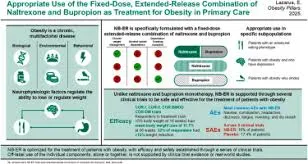
Determining the correct naltrexone dose for weight loss is crucial for safety and effectiveness. Naltrexone is available in standard tablet forms, typically 25 mg and 50 mg, and is sometimes used off-label for weight management. The dosage depends on whether it is taken alone or in combination with bupropion (as in the FDA-approved medication Contrave).
When used alone for weight loss, doctors often start patients on a low dose to minimize side effects such as nausea, headache, or dizziness. A typical starting regimen might begin with 25 mg once daily, gradually increasing to 50 mg daily based on tolerance and response. This gradual titration helps the body adjust and reduces the likelihood of adverse effects.
For those taking Contrave, the dosing schedule is more structured. It starts with a combination of naltrexone 8 mg and bupropion 90 mg, taken once daily, and is gradually increased over four weeks to a maintenance dose of naltrexone 32 mg and bupropion 360 mg daily, split into two doses. This stepwise approach allows patients to build tolerance while maximizing appetite suppression and craving reduction.
It’s important to note that higher doses do not always result in faster weight loss and can increase the risk of side effects. Medical supervision is essential to monitor liver function, manage any adverse reactions, and ensure the dosage is safe and effective for each individual.
Low-Dose Naltrexone (LDN) for Weight Loss
Low-dose naltrexone (LDN) is an emerging approach that has gained attention for its potential benefits in weight management. Unlike standard doses used for addiction treatment, LDN typically ranges from 1.5 mg to 4.5 mg per day. At these lower doses, naltrexone may influence the body’s endorphin production and immune response, which can have subtle effects on appetite, inflammation, and metabolism.
The appeal of LDN for weight loss lies in its ability to modulate cravings and support metabolic balance without causing the stronger side effects often associated with higher doses. Some studies suggest that LDN may help reduce emotional eating, sugar cravings, and binge-eating tendencies, making it easier to maintain a calorie-controlled diet. While research is still limited, early evidence indicates that LDN may be particularly helpful for individuals who have struggled with traditional weight-loss methods or have conditions like insulin resistance or hormonal imbalances.
LDN is usually taken once daily, often at bedtime, to maximize its effects on sleep and hormonal regulation. Because it is off-label for weight loss, medical supervision is essential, including guidance on dosing, monitoring for side effects, and evaluating results. While LDN is not a replacement for lifestyle interventions like diet and exercise, it can serve as a supportive tool for those seeking a gradual and sustainable approach to weight management.
Naltrexone + Bupropion (Contrave) Dosing
For individuals seeking a more structured and FDA-approved approach to weight loss, naltrexone combined with bupropion, sold under the brand name Contrave, is a popular option. This combination works by targeting both the hypothalamus, which controls appetite, and the brain’s reward pathways, reducing cravings and promoting a feeling of fullness. Contrave has been shown in clinical trials to produce significant weight loss when combined with lifestyle modifications such as diet and exercise.
The standard Contrave dosing schedule involves a gradual titration over four weeks to minimize side effects. During the first week, patients typically take one tablet (naltrexone 8 mg + bupropion 90 mg) in the morning. The second week adds a second tablet in the evening. By the fourth week, patients usually reach the maintenance dose of two tablets twice daily (naltrexone 32 mg + bupropion 360 mg per day). This stepwise increase allows the body to adjust and reduces risks of nausea, headache, or insomnia, which are common during the initial stages of therapy.
It is important to follow the prescribed schedule carefully and never adjust the dose independently, as higher doses can increase side effects without improving weight loss. Regular follow-up with a healthcare provider is recommended to monitor progress, assess tolerance, and make adjustments if necessary. Contrave is most effective when combined with healthy eating habits and physical activity, helping patients achieve sustainable, long-term weight management results.
How Long Does It Take to See Weight Loss Results?
When using naltrexone for weight loss, either alone or in combination with bupropion (Contrave), the timeline for results can vary depending on individual factors such as metabolism, lifestyle, and adherence to treatment. Generally, some patients notice changes in appetite and cravings within the first 2–4 weeks. This early effect is often subtle but can make it easier to stick to a calorie-controlled diet.
Significant weight loss usually becomes more apparent after 8–12 weeks of consistent use. Clinical studies of Contrave have shown that patients on the full maintenance dose can lose 5–10% of their body weight within 3–6 months, especially when paired with a reduced-calorie diet and regular exercise. Those using naltrexone alone may experience slightly slower results, but it still helps with gradual, sustainable weight reduction by curbing cravings and supporting healthier eating patterns.
Long-term success depends on continued adherence to both the medication and lifestyle changes. Weight loss plateaus can occur, and in such cases, doctors may reassess the dosing strategy or reinforce behavioral interventions. Regular follow-ups are essential to monitor progress, manage side effects, and ensure safe and effective treatment. Overall, patience and consistency are key, as naltrexone is most effective as part of a holistic weight management plan rather than a quick-fix solution.
Side Effects of Naltrexone for Weight Loss
Like all medications, naltrexone can cause side effects, though not everyone experiences them. Understanding these effects is important for safe use and effective weight management. Common side effects include nausea, headache, dizziness, fatigue, constipation, and sleep disturbances. These are usually mild and often improve as the body adjusts to the medication, especially when the dose is gradually increased.
When naltrexone is used in combination with bupropion (Contrave), additional side effects may appear, such as insomnia, dry mouth, and increased blood pressure. Starting with a low dose and following the titration schedule can significantly reduce the risk of these adverse reactions. Taking the medication with food may also help minimize stomach-related discomfort.
Although rare, serious side effects can occur. These include liver toxicity, mood changes, or severe allergic reactions. Patients with pre-existing liver conditions, a history of depression, or those taking other medications should be closely monitored. It is crucial to report any unusual or severe symptoms to a healthcare provider immediately.
Overall, naltrexone is considered safe for most adults when prescribed appropriately, but careful monitoring is essential. The benefits for weight loss, such as appetite suppression and craving reduction, often outweigh mild side effects. By working closely with a healthcare provider, individuals can maximize the effectiveness of naltrexone while minimizing risks, ensuring a safer and more sustainable approach to weight management.
Safety, Warnings & Contraindications
While naltrexone can be an effective tool for weight loss, it is not suitable for everyone. Certain health conditions and medications can make naltrexone unsafe. People currently using opioids should avoid naltrexone, as it blocks opioid receptors and can precipitate severe withdrawal symptoms. Similarly, those with active liver disease or significant liver impairment should not take naltrexone, because high doses can increase the risk of liver toxicity.
Pregnant or breastfeeding women are also advised against using naltrexone for weight loss due to insufficient safety data. Additionally, individuals with uncontrolled high blood pressure, seizure disorders, or a history of mood disorders should use caution, particularly when taking the combination therapy Contrave, which contains bupropion.
Naltrexone may interact with other medications, including opioids, certain antidepressants, and alcohol, potentially increasing side effects or reducing effectiveness. Therefore, a complete review of current medications with a healthcare provider is essential before starting therapy.
Medical supervision is critical for safe and effective weight loss. Doctors typically monitor liver function, blood pressure, and overall tolerance during treatment. Patients should report any unusual symptoms, such as persistent nausea, jaundice, or mood changes. By following these precautions, individuals can maximize the benefits of naltrexone while minimizing risks, ensuring a safer and more sustainable approach to managing weight.
Naltrexone vs Other Weight Loss Medications
When considering prescription options for weight loss, it’s helpful to compare naltrexone with other commonly used medications. Each works differently and may be suitable for different individuals based on health status, lifestyle, and weight-loss goals.
Naltrexone, either alone or as part of Contrave (naltrexone + bupropion), primarily reduces appetite and cravings by targeting the brain’s reward pathways. It is particularly effective for individuals struggling with emotional eating or sugar cravings, and its gradual, modest weight loss is often sustainable when combined with diet and exercise.
Ozempic (semaglutide) and similar GLP-1 receptor agonists work differently by slowing gastric emptying and promoting fullness. These medications often lead to faster and larger weight loss than naltrexone but may come with gastrointestinal side effects like nausea and diarrhea. They are generally preferred for individuals with type 2 diabetes or significant obesity.
Phentermine is a short-term appetite suppressant that can lead to rapid weight loss but is usually limited to a few weeks due to tolerance, cardiovascular risk, and potential dependency. In contrast, naltrexone can be used longer-term under medical supervision.
Metformin, often prescribed for insulin resistance or PCOS, can support modest weight loss but works indirectly by improving insulin sensitivity rather than directly suppressing appetite.
In summary, naltrexone offers a moderate, gradual, and sustainable approach, particularly for those with cravings or binge-eating tendencies. The best choice depends on medical history, weight-loss goals, and tolerance for side effects. Consulting a healthcare provider is essential to select the safest and most effective medication.
Frequently Asked Questions (FAQs)
1. What is the best naltrexone dose for weight loss?
The typical dose for weight loss ranges from 25 mg to 50 mg daily when taken alone. If combined with bupropion as Contrave, the maintenance dose is naltrexone 32 mg and bupropion 360 mg daily, split into two doses. Always follow a doctor’s guidance for safety.
2. Can you take naltrexone alone for weight loss?
Yes, naltrexone can be used alone, but results may be more modest compared to the combination with bupropion. It primarily helps reduce appetite and cravings.
3. How long does it take to see results?
Patients may notice reduced cravings within 2–4 weeks, with significant weight loss appearing after 8–12 weeks. Gradual progress is typical and more sustainable.
4. Is low-dose naltrexone effective for weight loss?
Low-dose naltrexone (1.5–4.5 mg daily) may help with appetite regulation and cravings in some individuals, but research is limited. It is usually considered off-label and requires medical supervision.
5. What are the common side effects?
Common side effects include nausea, headache, fatigue, and sleep disturbances. Serious side effects, like liver toxicity, are rare but require monitoring.
6. Who should avoid naltrexone?
People using opioids, those with liver disease, pregnant or breastfeeding women, and individuals with certain psychiatric or cardiovascular conditions should avoid it.
By addressing these common questions, patients can better understand how naltrexone works, its dosing, and safety considerations, helping them make informed decisions with their healthcare provider.

I’m J.K. Rowling, the Joke Master behind JokeDrops.com. I mix wit and humor to craft jokes that’ll make your day a little brighter — and a lot funnier!