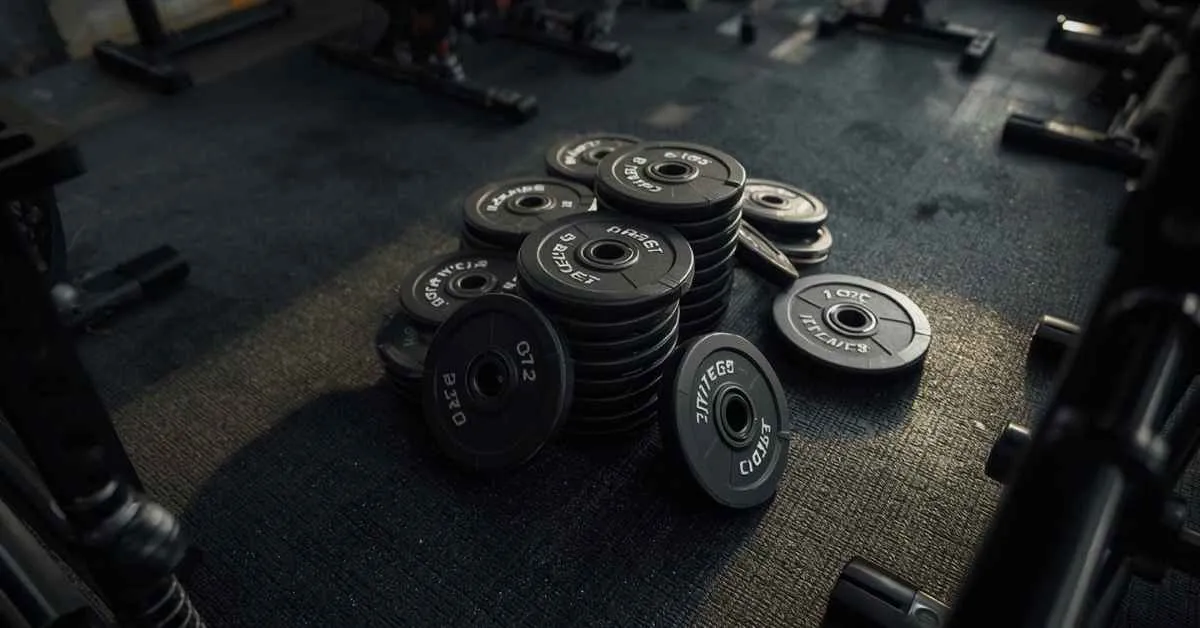
Ever walked into a gym and stared at a stack of standard weight plates wondering, “Which one do I even grab?” You’re not alone.
These classic plates aren’t just metal circles they’re the unsung heroes of every lift, squat, and bench press.
You’re a seasoned lifter or just testing your strength, knowing your plates makes all the difference.
Stick around, and we’ll break down everything you need to know about standard weight plates from sizes and materials to how they can level up your workout game.
What Makes a Weight Plate “Standard”?
A weight plate is considered standard based primarily on its center hole diameter, which measures 1 inch (25 mm). This design allows the plate to fit standard barbells and dumbbell handles commonly used in home gyms. Unlike Olympic equipment—which uses a 2-inch hole—standard weight plates are built for lighter-duty bars that are easier to grip and more affordable.
Another defining feature of standard weight plates is their non-uniform diameter. While Olympic plates maintain a consistent outer diameter regardless of weight, standard plates vary in size as the weight increases. Lighter plates are smaller and thinner, while heavier plates are wider and thicker. This makes them more compact overall but also means bar height changes during lifts like deadlifts or squats.
Standard weight plates are typically paired with hollow or solid steel bars that have a lower maximum load capacity than Olympic bars. Most standard bars safely support between 100 and 200 pounds, depending on construction quality. Because of this, standard plates are best suited for beginners, casual lifters, and those focusing on moderate resistance training rather than heavy powerlifting.
Historically, standard plates were the norm before Olympic equipment became widespread. Even today, they remain popular due to their lower cost, space efficiency, and accessibility. You’ll often find them sold in starter sets, adjustable dumbbell kits, and compact home gym packages.
In short, what makes a plate “standard” isn’t just its size—it’s its purpose. Standard weight plates are designed for convenience, affordability, and everyday strength training, making them a practical choice for many lifters.
Standard Weight Plates vs Olympic Weight Plates
One of the most common questions beginners ask is how standard weight plates compare to Olympic weight plates. While both serve the same basic purpose—adding resistance to your lifts—their design, capacity, and use cases are very different.
The most obvious difference is the center hole size. Standard weight plates have a 1-inch hole, while Olympic plates feature a 2-inch hole designed for thicker, stronger bars. This larger sleeve allows Olympic bars to support significantly heavier loads, making them the preferred choice for advanced lifters, powerlifters, and commercial gyms.
Another key difference is plate diameter. Olympic plates maintain a uniform diameter regardless of weight, which keeps the bar at a consistent height during lifts like deadlifts. Standard plates, on the other hand, vary in diameter, meaning the bar height changes depending on how much weight is loaded. This isn’t a major issue for general training, but it can affect form for certain compound lifts.
In terms of weight capacity, standard setups are more limited. Most standard bars safely handle between 100 and 200 pounds, while Olympic bars can hold 600 pounds or more. However, standard plates are usually much more affordable, making them attractive for home gym owners on a budget.
Ultimately, standard weight plates are ideal for beginners, casual lifters, and anyone focused on general fitness. Olympic plates are better suited for serious strength athletes who need higher durability and load capacity.
Standard Weight Plate Sizes Explained
Standard weight plates come in a variety of sizes, allowing lifters to gradually increase resistance as they build strength. Unlike Olympic plates, which follow strict size standards, standard plates vary in both diameter and thickness, depending on the manufacturer and material used.
The most common standard weight plate sizes include 2.5 lb, 5 lb, 10 lb, 25 lb, and 50 lb plates. Lighter plates, such as 2.5 and 5 pounds, are typically used for small incremental increases or isolation exercises. Ten-pound plates are popular for beginners and dumbbell workouts, while 25-pound plates are often the heaviest regularly used size in standard setups. Fifty-pound standard plates exist but are less common due to bar strength limitations.
One important thing to note is that plate diameter increases with weight. A 2.5-pound plate may be only a few inches across, while a 25-pound plate can be significantly larger. This affects how the bar sits during lifts like deadlifts and rows, especially if you’re transitioning from lighter to heavier loads.
Thickness also varies by material. Cast iron plates tend to be thinner and more compact, while vinyl or cement-filled plates are bulkier. This can limit how many plates fit on a standard barbell sleeve.
Understanding standard plate sizes helps you plan safer progressions, choose compatible bars, and avoid overloading your equipment—especially in a home gym setting.
Materials Used in Standard Weight Plates
Standard weight plates are made from several different materials, each offering unique advantages and trade-offs in terms of durability, accuracy, noise, and price. Understanding these materials can help you choose plates that match your training style and home gym setup.
Cast iron is the most traditional and widely used material for standard weight plates. Iron plates are compact, durable, and usually more accurate in weight than budget alternatives. However, they can be noisy when loaded onto bars and are prone to rust if not properly maintained. Many lifters prefer cast iron for its long lifespan and classic feel.
Rubber-coated standard plates feature an iron core wrapped in rubber. These plates reduce noise, protect flooring, and are easier to handle. They’re ideal for apartments or shared spaces where sound control matters. The downside is a higher price and slightly increased thickness compared to bare iron plates.
Vinyl or cement-filled plates are the most budget-friendly option. They’re often found in beginner sets and adjustable dumbbell kits. While affordable, these plates are bulkier and less accurate in weight. Over time, the vinyl coating may crack or leak filler material, reducing durability.
Some standard plates also include grip handles or tri-grip designs, making them safer and more versatile for plate-only exercises. Choosing the right material ultimately depends on your budget, space, and training intensity—but for long-term use, durability and safety should always come first.
Pros and Cons of Standard Weight Plates
Like any piece of fitness equipment, standard weight plates come with both advantages and limitations. Understanding these pros and cons will help you decide whether they align with your training goals and expectations.
One of the biggest advantages of standard weight plates is their affordability. Compared to Olympic plates, standard plates are significantly cheaper, making them an excellent choice for beginners or anyone building a home gym on a budget. They’re also widely available, often sold in starter sets that include barbells and dumbbell handles.
Another major benefit is their compact size. Standard plates generally take up less space, making them ideal for small rooms, apartments, or limited workout areas. Their compatibility with adjustable dumbbells also makes them versatile for isolation exercises and full-body workouts alike.
However, standard weight plates do have limitations. The most notable drawback is their lower weight capacity. Standard bars are not designed to handle heavy loads, which can restrict long-term strength progression. Advanced lifters may outgrow standard setups relatively quickly.
Durability can also be a concern, especially with vinyl or cement-filled plates, which are more prone to wear and damage. Additionally, the varying plate diameters can affect lifting mechanics during compound movements.
In summary, standard weight plates are ideal for beginners, casual lifters, and general fitness training. But for serious strength athletes or heavy lifters, upgrading to Olympic equipment may eventually be necessary.
Who Should Use Standard Weight Plates?
Standard weight plates are best suited for specific types of lifters and training environments. While they may not be ideal for everyone, they serve an important role in strength training—especially for those just starting out or training at home.
Beginners are the primary audience for standard weight plates. If you’re new to strength training, these plates provide a safe and affordable way to learn proper lifting technique without the pressure of handling extremely heavy loads. The smaller increments also make it easier to progress gradually.
Home gym owners with limited space will benefit from standard plates as well. Their compact design makes them easier to store, and many standard sets include adjustable dumbbells, allowing for a wide range of exercises without requiring large equipment racks.
Standard weight plates are also a great option for casual lifters and fitness enthusiasts who train for general health, muscle tone, or weight management rather than maximum strength. They work well for full-body workouts, isolation movements, and circuit training.
Additionally, rehabilitation and physical therapy users often prefer standard plates because lighter weights and smaller bars reduce joint stress. Seniors and teenagers may also find standard plates more manageable due to the lighter loads and easier handling.
However, if your goals include heavy powerlifting, competitive lifting, or long-term strength progression beyond moderate loads, standard plates may eventually limit you. In those cases, transitioning to Olympic plates becomes the more practical choice.
Exercises You Can Do With Standard Weight Plates
Despite their lighter-duty design, standard weight plates are surprisingly versatile and can support a wide range of effective strength-training exercises. When paired with standard barbells, dumbbells, or even used on their own, they allow for full-body workouts at home.
With a standard barbell, you can perform classic compound movements such as squats, deadlifts, bench presses, overhead presses, and bent-over rows. While the total load is lower than Olympic setups, these exercises are more than sufficient for building muscle, improving coordination, and increasing overall strength—especially for beginners.
Standard plates are particularly popular for adjustable dumbbell exercises. You can easily load them onto dumbbell handles for movements like bicep curls, tricep extensions, shoulder presses, lateral raises, chest flyes, and lunges. This makes them ideal for isolation training and muscle definition.
Another advantage is the ability to perform plate-only exercises. Many standard plates feature grip handles, allowing you to do plate front raises, Russian twists, overhead presses, goblet squats, and core rotations without a bar at all. These exercises add variety and improve functional strength.
Because standard weight plates are easy to handle and quick to change, they work well for circuit training and high-rep workouts. While they may not support extreme loads, they offer plenty of flexibility for building strength, endurance, and muscle at home when used correctly.
How Much Weight Can Standard Bars Handle?
One of the most important considerations when using standard weight plates is understanding how much weight a standard barbell can safely support. Unlike Olympic bars, which are engineered for heavy loads, standard bars are designed for light to moderate resistance training.
Most standard barbells can safely handle between 100 and 200 pounds, including the weight of the bar itself. Hollow steel bars typically fall on the lower end of this range, while solid steel standard bars offer slightly higher load capacity. Exceeding these limits can cause the bar to bend, warp, or even fail, increasing the risk of injury.
Dumbbell handles used with standard plates usually have an even lower weight capacity, often around 40 to 70 pounds per handle, depending on construction quality. This makes them ideal for isolation exercises but less suitable for extremely heavy pressing or pulling movements.
It’s also important to factor in plate thickness and sleeve length. Bulky vinyl or cement-filled plates can limit how much weight fits on the bar, even before reaching the maximum load capacity. Using collars is essential to prevent plates from shifting during lifts.
If you find yourself consistently approaching these limits or wanting to lift heavier for compound movements, it may be time to upgrade to Olympic bars and plates. Staying within safe weight ranges ensures longevity of your equipment and keeps your training injury-free.
How to Choose the Right Standard Weight Plates
Choosing the right standard weight plates can make a big difference in your training experience, safety, and long-term satisfaction. While most standard plates look similar at first glance, several key factors separate high-quality options from lower-end ones.
First, consider weight accuracy and tolerance. Cheaper plates—especially cement-filled or vinyl-coated ones—often vary from their stated weight. Cast iron or rubber-coated plates tend to be more accurate, which is important for balanced lifting and consistent progress.
Next, look at the material and coating. If you train in a shared space or apartment, rubber-coated plates are quieter and protect flooring. For durability and a compact design, cast iron plates are usually the best choice. Vinyl plates are budget-friendly but less durable over time.
Grip design is another important feature. Plates with built-in handles or tri-grip designs are easier and safer to load, unload, and use for plate-only exercises. This is especially helpful for beginners.
You should also think about bar compatibility. Make sure the plates have a true 1-inch center hole and fit securely on your standard barbell or dumbbell handles. Loose-fitting plates can slide and affect balance.
Finally, consider storage and future needs. If you plan to progress steadily, buying a set with multiple smaller plates allows for gradual increases. Choosing quality plates upfront can save money and frustration in the long run.
Safety Tips When Using Standard Weight Plates
Safety should always be a top priority when training with standard weight plates, especially since standard bars have lower weight limits than Olympic equipment. Following basic safety practices can help prevent injuries and extend the life of your gear.
Always use barbell collars or spin-locks to secure plates in place. Without collars, plates can slide during lifts, throwing off balance and increasing the risk of accidents. This is particularly important for exercises like bench presses and overhead movements.
Make sure to load plates evenly on both sides of the bar. Uneven loading can cause the bar to tilt, strain your joints, or even slip out of your hands. Double-check plate weights before starting each set.
Pay attention to your bar’s weight capacity and never exceed it. If you notice the bar beginning to bend, flex excessively, or feel unstable, reduce the load immediately. Using a bent bar can lead to sudden equipment failure.
Training on a stable, flat surface is also essential. Standard plates often lack rubber bumpers, so placing them on uneven floors can cause rolling or shifting. Using a rubber mat or lifting platform helps protect both the floor and your equipment.
Lastly, inspect your plates regularly for cracks, loose filler, or damaged coatings. Replacing worn or damaged plates ensures safer workouts and keeps your training environment secure.
Maintenance & Storage of Standard Weight Plates
Proper maintenance and storage of standard weight plates not only extends their lifespan but also keeps your workouts safe and organized. While standard plates are generally low-maintenance, a few simple habits can prevent damage and deterioration over time.
For cast iron plates, rust prevention is the main concern. Wipe plates down after use, especially if you train in a humid environment or tend to sweat heavily. Applying a light coat of machine oil or silicone spray occasionally can help protect the metal from moisture. Storing iron plates in a dry area is essential.
Rubber-coated and vinyl plates are easier to maintain but still require regular cleaning. Use a damp cloth with mild soap to remove dirt and sweat, then dry thoroughly. Avoid harsh chemicals, as they can degrade rubber or vinyl coatings over time.
When it comes to storage, using a weight plate rack or tree is ideal. It keeps plates off the floor, reduces clutter, and minimizes the risk of tripping or accidental damage. If a rack isn’t available, stack plates neatly against a wall or under a bench, ensuring they won’t roll.
Avoid dropping standard plates from height, as they’re not designed like bumper plates. Gentle handling, proper storage, and regular inspection will keep your standard weight plates in good condition for years, ensuring consistent performance and safer training sessions.
Price Guide: How Much Do Standard Weight Plates Cost?
The cost of standard weight plates can vary widely depending on material, brand, and overall quality. Understanding typical price ranges helps you budget effectively and avoid overpaying for features you may not need.
On the lower end, vinyl or cement-filled standard plates are the most affordable. These are often sold in beginner sets and usually cost less per pound, making them appealing for first-time buyers. However, the lower price often comes with trade-offs in durability, bulkiness, and weight accuracy.
Cast iron standard weight plates fall into the mid-range price category and offer the best balance between cost and durability. They tend to be more accurate in weight and last much longer than vinyl options. Many home gym owners prefer iron plates for long-term use due to their compact size and reliability.
Rubber-coated standard plates are typically the most expensive option. The added cost reflects benefits like reduced noise, floor protection, and easier handling. These plates are ideal for apartments or shared spaces where sound and surface protection matter.
You can also save money by buying used standard plates, often available through local listings or gym closures. Inspect used plates for cracks, rust, or loose filler before purchasing.
Overall, standard weight plates remain one of the most cost-effective ways to build a functional home gym without a large upfront investment.
Common Mistakes to Avoid When Using Standard Weight Plates
While standard weight plates are beginner-friendly, many lifters make avoidable mistakes that can limit progress or increase injury risk. Knowing what not to do is just as important as knowing how to use them correctly.
One common mistake is overloading standard bars. Because standard bars look similar to Olympic bars, beginners often assume they can handle the same weight. Exceeding the bar’s capacity can cause bending or sudden failure, which is dangerous. Always check the manufacturer’s load rating and stay within safe limits.
Another frequent error is mixing standard and Olympic equipment. Standard plates will not fit Olympic bars securely, and Olympic plates won’t fit standard bars at all. Forcing mismatched equipment can lead to instability and uneven loading.
Many users also ignore plate accuracy. Budget plates—especially cement-filled ones—may not weigh exactly what’s labeled. Using mismatched or inaccurate plates can create muscle imbalances over time. When possible, weigh your plates and pair similar ones together.
Poor storage habits are another issue. Leaving plates scattered on the floor increases the risk of tripping and damage. Storing plates improperly can also lead to rust or cracked coatings.
Lastly, some lifters underestimate standard plates and rush to upgrade too soon. For beginners and general fitness goals, standard weight plates are more than enough. Mastering form, consistency, and progression matters far more than lifting extremely heavy weights early on.
Avoiding these mistakes will help you train safely, protect your equipment, and get the most value out of your standard weight plates.
FAQs About Standard Weight Plates
Are standard weight plates interchangeable with Olympic bars?
No. Standard weight plates have a 1-inch center hole, while Olympic bars require 2-inch plates. Using standard plates on Olympic bars will result in loose, unstable loading and is unsafe.
Can you build muscle with standard weight plates?
Absolutely. Muscle growth depends on progressive overload, proper form, and consistency—not just heavy weights. Standard plates are more than sufficient for beginners and intermediate lifters focusing on hypertrophy and general strength.
How accurate are standard weight plates?
Accuracy depends on the material and brand. Cast iron and rubber-coated plates are generally more accurate than vinyl or cement-filled plates. Minor weight differences are normal, but large discrepancies can affect balance.
What is the maximum weight for standard dumbbells?
Most standard dumbbell handles support 40–70 pounds per handle. Exceeding this can damage the handles or cause failure during lifts.
Are used standard weight plates worth buying?
Yes, if they’re in good condition. Check for cracks, severe rust, loose filler, or damaged coatings. Used cast iron plates are often a great value.
When should you upgrade to Olympic plates?
If you consistently reach your bar’s weight limit, want to lift heavier, or plan long-term strength training, upgrading to Olympic equipment makes sense.
These FAQs address the most common concerns and help lifters decide whether standard weight plates fit their training goals.

I’m J.K. Rowling, the Joke Master behind JokeDrops.com. I mix wit and humor to craft jokes that’ll make your day a little brighter — and a lot funnier!