
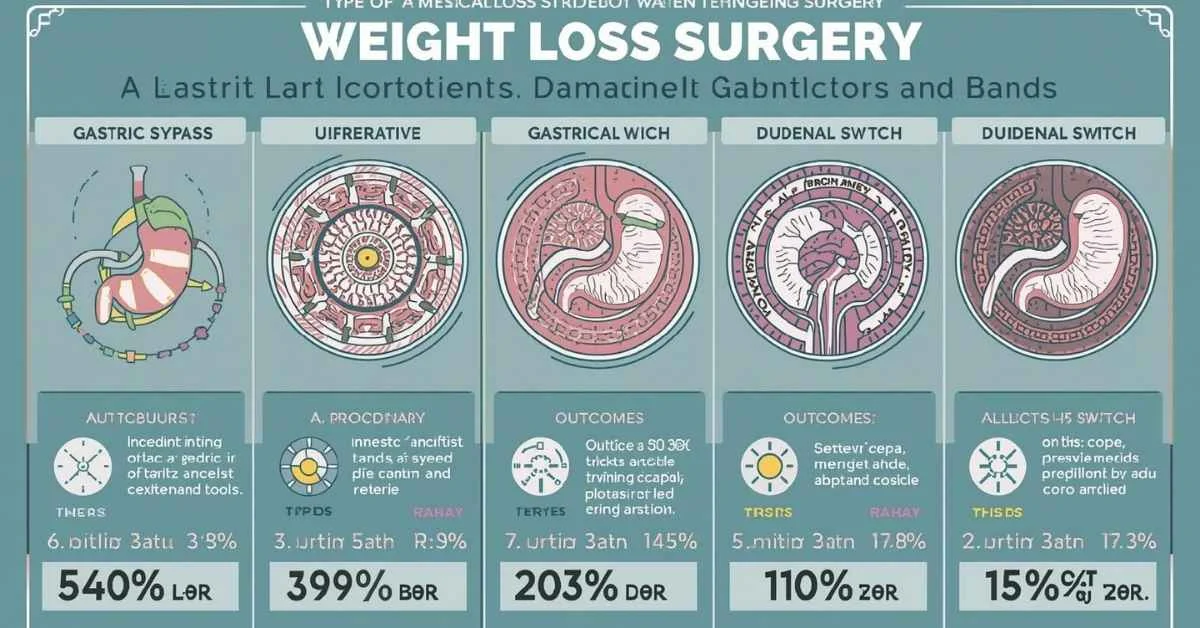
Weight loss surgery, also known as bariatric surgery, has become one of the most effective medical solutions for people struggling with severe obesity and related health conditions.
When traditional methods such as diet, exercise, and medication fail to deliver lasting results, surgical weight loss procedures can offer a proven path toward long-term weight management.
Today, there are several types of weight loss surgery, each designed to help patients lose weight by reducing stomach size, limiting calorie absorption, or a combination of both.
Common options include gastric sleeve surgery, gastric bypass, adjustable gastric banding, and newer minimally invasive procedures.
Understanding how these surgeries work, their benefits, risks, and who they are best suited for is essential before making a decision.
This article explores the different types of bariatric surgery in detail, helping you make an informed choice and prepare for a healthier, more sustainable future.
Understanding Weight Loss (Bariatric) Surgery
Weight loss surgery, medically referred to as bariatric surgery, includes a group of procedures designed to help individuals with obesity lose weight by changing how the digestive system functions. These surgeries are not cosmetic; they are evidence-based medical treatments recommended for people who face serious health risks due to excess weight. Bariatric surgery works by restricting the amount of food the stomach can hold, reducing the absorption of calories and nutrients, or combining both approaches to promote significant and sustained weight loss.
In addition to limiting food intake, weight loss surgery also influences hormones that regulate hunger, fullness, and blood sugar control. Procedures such as gastric sleeve and gastric bypass reduce the production of ghrelin, the hormone responsible for stimulating appetite, which helps patients feel full sooner and eat less. Many patients also experience improved insulin sensitivity, making bariatric surgery especially beneficial for those with type 2 diabetes.
Eligibility for weight loss surgery is typically based on body mass index (BMI) and overall health status. Most candidates have a BMI of 40 or higher, or a BMI of 35 or above with obesity-related conditions such as diabetes, high blood pressure, or sleep apnea. Candidates must also demonstrate a commitment to long-term lifestyle changes, including dietary modifications, regular physical activity, and ongoing medical follow-up. Understanding these fundamentals is crucial before exploring the different types of weight loss surgery available.
How Weight Loss Surgery Works
Weight loss surgery helps individuals lose weight by altering the structure and function of the digestive system. While the specific approach varies by procedure, most bariatric surgeries work through one or more of three primary mechanisms: restriction, malabsorption, and metabolic or hormonal changes. Understanding these mechanisms makes it easier to see how different types of weight loss surgery achieve lasting results.
Restrictive procedures limit the amount of food the stomach can hold, causing patients to feel full after eating much smaller portions. Surgeries such as gastric sleeve and adjustable gastric banding physically reduce stomach capacity, which naturally decreases calorie intake. This approach helps patients control portion sizes without relying solely on willpower.
Malabsorptive procedures reduce the body’s ability to absorb calories and nutrients by rerouting part of the small intestine. Gastric bypass and duodenal switch surgeries combine restriction with malabsorption, making them some of the most effective options for significant weight loss. However, these procedures also require careful long-term nutritional monitoring.
Beyond physical changes, weight loss surgery also affects gut hormones that regulate hunger, satiety, and blood sugar levels. Many patients experience reduced appetite, fewer cravings, and improved metabolic health shortly after surgery—sometimes even before major weight loss occurs. These hormonal effects explain why bariatric surgery can lead to rapid improvement in conditions such as type 2 diabetes and metabolic syndrome.
By working through these combined mechanisms, weight loss surgery provides a powerful tool for long-term weight management when paired with healthy lifestyle changes.
Restrictive Weight Loss Surgery Procedures
Restrictive weight loss surgeries are designed to reduce the amount of food the stomach can hold, helping patients feel full sooner and eat smaller portions. These procedures do not significantly affect nutrient absorption, making them a popular choice for individuals seeking effective weight loss with fewer long-term nutritional complications. Restrictive surgeries are often recommended for patients with mild to moderate obesity or those who prefer a less complex surgical approach.
One of the most common restrictive procedures is gastric sleeve surgery, also known as sleeve gastrectomy. During this procedure, approximately 70–80 percent of the stomach is removed, leaving behind a narrow, tube-shaped stomach. This reduction limits food intake and lowers levels of ghrelin, the hunger hormone, which helps decrease appetite. Patients typically lose a significant percentage of excess body weight within the first year after surgery.
Another restrictive option is adjustable gastric banding, commonly known as lap-band surgery. This procedure involves placing an inflatable band around the upper portion of the stomach to create a small pouch. The band can be tightened or loosened over time, allowing for customized weight loss. While the procedure is reversible and less invasive, it has become less popular due to lower long-term success rates and a higher likelihood of complications or band removal.
Restrictive procedures can be effective when combined with long-term dietary changes, physical activity, and medical follow-up, making them an important category of weight loss surgery.
Gastric Sleeve Surgery (Sleeve Gastrectomy)
Gastric sleeve surgery, medically known as sleeve gastrectomy, is one of the most commonly performed weight loss surgeries worldwide. The procedure involves surgically removing about 70 to 80 percent of the stomach, leaving a narrow, banana-shaped tube or “sleeve.” This significantly limits the amount of food a person can consume while still allowing normal digestion to occur.
One of the key advantages of gastric sleeve surgery is its impact on hunger hormones. By removing the portion of the stomach that produces most of the hormone ghrelin, patients often experience a noticeable reduction in appetite and fewer food cravings. This hormonal effect, combined with reduced stomach capacity, helps promote steady and sustainable weight loss. On average, patients can expect to lose 50 to 70 percent of their excess body weight within the first 12 to 18 months following surgery.
The procedure is typically performed laparoscopically, which means smaller incisions, less pain, and faster recovery times compared to traditional open surgery. Most patients stay in the hospital for one to two days and can return to normal daily activities within a few weeks. However, gastric sleeve surgery is irreversible and requires lifelong commitment to dietary changes, regular exercise, and vitamin supplementation.
While considered safe and effective, potential risks include acid reflux, nutrient deficiencies, and surgical complications. Careful patient selection and long-term follow-up are essential for achieving optimal results.
Adjustable Gastric Banding (Lap-Band Surgery)
Adjustable gastric banding, commonly known as lap-band surgery, is a restrictive weight loss procedure that involves placing a silicone band around the upper portion of the stomach. This band creates a small pouch above it, limiting the amount of food that can be eaten at one time and helping patients feel full more quickly. Unlike other bariatric procedures, no part of the stomach or intestines is permanently removed.
One of the main advantages of adjustable gastric banding is its reversibility and adjustability. The tightness of the band can be modified by adding or removing saline through a small access port placed under the skin. This allows healthcare providers to personalize the level of restriction based on weight loss progress and tolerance. The procedure is minimally invasive, typically performed laparoscopically, and often involves a shorter recovery time compared to more complex surgeries.
However, lap-band surgery has declined in popularity over the years due to lower long-term weight loss success rates compared to other types of weight loss surgery. Many patients experience slower weight loss, and some may regain weight over time. Additionally, complications such as band slippage, erosion, infection, or mechanical failure are not uncommon and may require additional surgeries or complete band removal.
Because of these factors, adjustable gastric banding is now less frequently recommended, but it may still be an option for carefully selected patients who prefer a reversible approach.
Combination Weight Loss Surgery Procedures
Combination weight loss surgeries work by both restricting food intake and reducing calorie absorption, making them among the most effective bariatric procedures available. These surgeries alter the stomach and reroute part of the small intestine, leading to significant and often rapid weight loss. Because they affect digestion and metabolism, co
mbination procedures are commonly recommended for individuals with severe obesity or obesity-related medical conditions.
The most well-known combination procedure is Roux-en-Y gastric bypass. During this surgery, a small pouch is created at the top of the stomach, which dramatically limits the amount of food a person can eat. The small intestine is then rerouted so that food bypasses a portion of the digestive tract, reducing calorie and nutrient absorption. This dual mechanism makes gastric bypass highly effective, with many patients losing 60 to 80 percent of their excess body weight within the first two years.
In addition to weight loss, gastric bypass has powerful metabolic effects. Many patients experience rapid improvement or even remission of type 2 diabetes, often within days or weeks after surgery. Improvements in high blood pressure, sleep apnea, and high cholesterol are also common. However, gastric bypass is more complex than restrictive procedures and carries higher risks, including nutrient deficiencies, dumping syndrome, and the need for lifelong vitamin supplementation.
Because of its effectiveness and long-term results, gastric bypass remains a gold standard among weight loss surgery options when performed by experienced bariatric surgeons.
Mini Gastric Bypass (One-Anastomosis Gastric Bypass)
Mini gastric bypass, also known as one-anastomosis gastric bypass, is a newer variation of traditional gastric bypass surgery. The procedure involves creating a long, narrow stomach pouch and connecting it directly to a loop of the small intestine. Unlike Roux-en-Y gastric bypass, this technique requires only one intestinal connection, making the surgery shorter and technically simpler.
Mini gastric bypass works through both restriction and malabsorption. The smaller stomach pouch limits food intake, while bypassing a portion of the small intestine reduces calorie absorption. As a result, patients often experience rapid and significant weight loss. On average, individuals may lose 60 to 75 percent of their excess body weight within the first 12 to 18 months after surgery.
One of the key benefits of mini gastric bypass is a lower operative time and potentially reduced risk of surgical complications compared to traditional gastric bypass. Many patients also see substantial improvements in obesity-related conditions such as type 2 diabetes, high blood pressure, and sleep apnea. However, the procedure is not without risks. Possible complications include bile reflux, nutritional deficiencies, and gastrointestinal discomfort.
Because mini gastric bypass alters nutrient absorption, lifelong vitamin and mineral supplementation is essential. While this procedure has gained popularity in many parts of the world, it may not be suitable for everyone. Careful evaluation by a bariatric surgeon is necessary to determine whether mini gastric bypass is an appropriate and safe option.
Malabsorptive Weight Loss Surgery: Duodenal Switch
The biliopancreatic diversion with duodenal switch (BPD/DS) is one of the most powerful and complex types of weight loss surgery available. This procedure combines a restrictive component, similar to gastric sleeve surgery, with a significant malabsorptive element that limits how many calories and nutrients the body can absorb. Because of its intensity, duodenal switch is typically reserved for individuals with severe or super obesity.
During the procedure, a large portion of the stomach is removed, creating a smaller, sleeve-shaped stomach. The small intestine is then rearranged so that food bypasses a substantial length of the digestive tract. This dramatically reduces calorie absorption and leads to substantial weight loss. Patients undergoing duodenal switch often lose 70 to 85 percent of their excess body weight, making it one of the most effective bariatric surgeries in terms of long-term results.
In addition to weight loss, duodenal switch offers significant metabolic benefits, including high rates of type 2 diabetes remission. However, the surgery carries higher risks compared to other bariatric procedures. Patients must commit to strict lifelong nutritional monitoring, as deficiencies in protein, vitamins, and minerals are common without proper supplementation.
Due to its complexity and potential risks, duodenal switch is only recommended for carefully selected patients under the care of an experienced bariatric team.
Non-Surgical and Minimally Invasive Weight Loss Procedures
Not all weight loss treatments require traditional surgery. For individuals who do not qualify for bariatric surgery or prefer less invasive options, non-surgical and minimally invasive weight loss procedures can offer effective alternatives. These approaches typically involve shorter recovery times and fewer risks, though they may result in more modest weight loss compared to surgical procedures.
One popular option is the intragastric balloon. This procedure involves placing a soft, saline-filled balloon inside the stomach through an endoscopic procedure. The balloon occupies space in the stomach, helping patients feel full sooner and eat smaller portions. Intragastric balloons are temporary and usually removed after six months. Patients can expect to lose approximately 10 to 20 percent of their total body weight when combined with lifestyle changes.
Another emerging option is endoscopic sleeve gastroplasty (ESG). This minimally invasive procedure uses an endoscope to place sutures in the stomach, reducing its size without removing any tissue. ESG mimics the effects of gastric sleeve surgery but does not involve incisions or permanent anatomical changes. Recovery time is typically short, and many patients return to normal activities within a few days.
While these procedures are less invasive, they still require commitment to dietary changes and ongoing medical supervision. They may be ideal for individuals seeking moderate weight loss or as a bridge to more permanent surgical options.
Comparison of Weight Loss Surgery Types
With several weight loss surgery options available, choosing the right procedure can feel overwhelming. Each type of bariatric surgery differs in how it works, how much weight it helps patients lose, and the level of risk involved. Comparing these procedures side by side can help individuals make informed decisions in consultation with their healthcare provider.
Restrictive procedures such as gastric sleeve surgery and adjustable gastric banding primarily reduce stomach capacity. Gastric sleeve generally results in greater and more consistent weight loss than lap-band surgery, with fewer long-term complications. Adjustable gastric banding offers reversibility but has lower success rates and higher chances of requiring additional surgeries.
Combination procedures like gastric bypass and mini gastric bypass tend to produce faster and more substantial weight loss. These surgeries also offer significant metabolic benefits, especially for patients with type 2 diabetes. However, they require lifelong vitamin supplementation and carry a higher risk of nutritional deficiencies.
The duodenal switch provides the most dramatic weight loss results but comes with the highest level of complexity and nutritional risk. It is usually reserved for individuals with severe obesity who need aggressive treatment.
Minimally invasive options such as intragastric balloons and endoscopic sleeve gastroplasty offer moderate weight loss with fewer risks but are not permanent solutions. Ultimately, the best weight loss surgery depends on medical history, weight loss goals, lifestyle, and long-term commitment to follow-up care.
Benefits of Weight Loss Surgery
Weight loss surgery offers far more than just a reduction in body weight. For many individuals with obesity, bariatric surgery can lead to life-changing improvements in overall health, mobility, and quality of life. One of the most significant benefits is long-term, sustainable weight loss, especially when surgery is combined with healthy lifestyle changes.
Beyond weight reduction, weight loss surgery often leads to improvement or complete resolution of obesity-related medical conditions. Many patients experience better blood sugar control, and some achieve remission of type 2 diabetes shortly after procedures like gastric bypass or duodenal switch. High blood pressure, high cholesterol, and sleep apnea frequently improve as excess weight is lost, reducing the risk of heart disease and stroke.
Joint pain and mobility issues also tend to improve, allowing individuals to become more physically active. Increased energy levels and stamina make it easier to maintain an active lifestyle, which supports continued weight management. In addition, many patients report enhanced mental health benefits, including improved self-esteem, reduced symptoms of depression, and greater confidence in social and professional settings.
Weight loss surgery can also improve fertility in both men and women and reduce complications related to pregnancy. While surgery is not a quick fix, it provides a powerful medical tool that helps patients regain control of their health. When paired with ongoing medical support, nutritional guidance, and behavioral changes, bariatric surgery can offer lasting benefits that extend well beyond the number on the scale.
Risks and Side Effects of Weight Loss Surgery
Although weight loss surgery is considered safe and effective when performed by experienced surgeons, it is still a major medical procedure and carries potential risks. Understanding these risks helps patients make informed decisions and prepare for long-term success. Complications can occur shortly after surgery or develop months or years later.
Short-term surgical risks include bleeding, infection, blood clots, adverse reactions to anesthesia, and leakage from surgical connections. While these complications are relatively uncommon, they may require additional medical treatment or extended hospital stays. Minimally invasive techniques have reduced many of these risks, but they cannot eliminate them entirely.
Long-term side effects often relate to changes in digestion and nutrient absorption. Nutritional deficiencies, including low levels of iron, vitamin B12, calcium, and vitamin D, are common after procedures like gastric bypass and duodenal switch. Without proper supplementation and monitoring, these deficiencies can lead to fatigue, bone loss, and neurological issues.
Some patients experience gastrointestinal symptoms such as nausea, vomiting, diarrhea, or acid reflux. Dumping syndrome, a condition where food moves too quickly through the digestive system, can occur after gastric bypass and cause discomfort, dizziness, and sweating. Weight regain is also possible if dietary guidelines and lifestyle changes are not followed.
Despite these risks, most complications can be effectively managed with proper medical follow-up, making patient education and long-term care essential components of successful weight loss surgery.
Who Is Eligible for Weight Loss Surgery?
Weight loss surgery is not suitable for everyone and is typically recommended for individuals who face serious health risks due to obesity. Eligibility is primarily based on body mass index (BMI), overall health, and a person’s ability to commit to long-term lifestyle changes. These criteria help ensure that surgery is both safe and effective for each patient.
Most candidates for bariatric surgery have a BMI of 40 or higher, which is classified as severe obesity. Individuals with a BMI of 35 or higher may also qualify if they have obesity-related medical conditions such as type 2 diabetes, high blood pressure, sleep apnea, or heart disease. In some cases, patients with a lower BMI but significant metabolic disorders may be considered under medical supervision.
In addition to BMI requirements, candidates must demonstrate a history of unsuccessful weight loss attempts through diet, exercise, or medication. A comprehensive medical evaluation is required, including blood tests, imaging studies, and assessments of heart and lung function. Psychological screening is also an essential part of the process, as emotional readiness and realistic expectations play a major role in long-term success.
Candidates must be willing to make permanent changes to their eating habits, physical activity levels, and follow-up care. Smoking cessation, reduced alcohol intake, and participation in nutritional counseling are often required before surgery. Ultimately, a bariatric surgeon and healthcare team determine eligibility on a case-by-case basis.
Preparing for Weight Loss Surgery
Preparation is a critical step in ensuring the safety and success of weight loss surgery. Patients must commit not only to the procedure itself but also to lifestyle changes before and after surgery. Proper preparation helps minimize surgical risks, promotes faster recovery, and lays the foundation for long-term weight management.
Before surgery, patients undergo a thorough medical evaluation. This includes blood tests, imaging studies, and assessments of heart, lung, and liver function to ensure the body can safely handle anesthesia and the surgical procedure. Patients may also be required to complete a nutritional assessment and follow a preoperative diet to reduce liver size and improve surgical access.
Psychological readiness is equally important. Many surgeons require patients to undergo counseling or support sessions to address eating habits, emotional eating patterns, and realistic weight loss expectations. Understanding the mental and behavioral changes required after surgery increases the likelihood of long-term success.
Lifestyle adjustments often begin weeks before surgery. Smoking cessation is strongly recommended, as tobacco use increases the risk of surgical complications and delays healing. Alcohol intake may need to be reduced or eliminated, and patients are encouraged to incorporate light physical activity to improve cardiovascular health.
Finally, patients are educated about the postoperative recovery process, including dietary progression, physical activity, vitamin supplementation, and follow-up visits. Being fully prepared physically, mentally, and emotionally helps ensure that patients maximize the benefits of weight loss surgery while minimizing potential complications.
Life After Weight Loss Surgery
Life after weight loss surgery involves significant changes in diet, lifestyle, and daily habits. While surgery provides a powerful tool for losing weight, long-term success depends on a patient’s commitment to healthy eating, regular exercise, and ongoing medical care. Adjusting to these changes is essential for maintaining weight loss and preventing complications.
Immediately after surgery, patients follow a staged diet. The first phase typically includes liquids only, such as broths, water, and protein shakes. Over the following weeks, the diet gradually progresses to pureed foods, soft foods, and eventually solid meals. Portion control is crucial during all phases, as the stomach’s reduced capacity can easily be exceeded, causing discomfort or vomiting.
Regular physical activity becomes an essential part of daily life. Light exercises, such as walking, are encouraged soon after surgery to promote circulation and aid recovery. As patients heal, strength training and cardiovascular exercises help maximize weight loss, improve muscle tone, and enhance overall health.
Vitamin and mineral supplementation is also a lifelong requirement, particularly for procedures like gastric bypass and duodenal switch that affect nutrient absorption. Patients are typically advised to take multivitamins, calcium, vitamin D, iron, and B12 to prevent deficiencies.
Routine medical follow-up is critical. Regular check-ups allow healthcare providers to monitor weight loss progress, assess nutritional status, and address any complications early. By adopting these habits, patients can enjoy the full benefits of bariatric surgery, including improved health, higher energy levels, and enhanced quality of life.
Weight Loss Results and Timeline
The rate and amount of weight loss after bariatric surgery vary depending on the type of procedure, individual metabolism, and adherence to dietary and lifestyle guidelines. Understanding the typical weight loss timeline helps patients set realistic expectations and stay motivated throughout their journey.
During the first three months after surgery, most patients experience rapid weight loss. Procedures like gastric bypass and duodenal switch tend to produce the fastest results, often resulting in 20–30 percent of total body weight loss in this period. Gastric sleeve patients may see slightly slower but consistent reductions, while minimally invasive procedures like intragastric balloons produce more moderate results.
By six months, many patients have lost a significant portion of their excess weight, often 40–60 percent depending on the surgery type. This is also the time when improvements in obesity-related conditions, such as type 2 diabetes, hypertension, and sleep apnea, become noticeable.
At the one-year mark, patients typically reach their maximum rate of weight loss. Gastric bypass and duodenal switch patients may lose 60–80 percent of excess body weight, while gastric sleeve patients often lose 50–70 percent. During this phase, adherence to a healthy diet, exercise routine, and supplementation becomes critical to maintain progress.
Long-term success, over three to five years, depends on sustained lifestyle changes. Some patients may regain a small amount of weight, particularly if dietary guidelines are not strictly followed. Regular follow-up with a healthcare team and continued commitment to healthy habits are essential for maintaining weight loss and overall well-being.
Cost of Weight Loss Surgery
The cost of weight loss surgery varies widely depending on the type of procedure, geographic location, hospital or clinic fees, and whether the patient has insurance coverage. Understanding these costs is important for planning and ensuring that surgery remains accessible and sustainable.
On average, gastric sleeve surgery ranges from $6,000 to $15,000 in the United States, while gastric bypass may cost between $8,000 and $20,000. Duodenal switch is typically the most expensive option, with costs ranging from $15,000 to $25,000 due to the complexity of the procedure and longer hospital stays. Adjustable gastric banding usually costs $6,000 to $12,000, though it may involve additional expenses for band adjustments and potential removal.
Insurance coverage varies but many policies cover bariatric surgery if the patient meets specific medical criteria, including BMI thresholds and documented failed weight loss attempts. Patients should consult their insurance provider to understand coverage, deductibles, and out-of-pocket expenses.
For those without insurance or seeking more affordable options, medical tourism is sometimes considered. Countries like Mexico, India, and Turkey offer weight loss surgery at significantly lower costs, though patients must carefully evaluate the credentials of the surgical team and postoperative support before traveling abroad.
In addition to the surgical costs, patients should consider long-term expenses, including nutritional supplements, follow-up appointments, and potential treatment for complications or revisions. Factoring in these costs ensures realistic expectations and better long-term success.
Choosing the Right Weight Loss Surgery
Selecting the right weight loss surgery is a highly personal decision that should be made in consultation with a qualified bariatric surgeon. While all bariatric procedures aim to reduce weight and improve overall health, the best option depends on individual health conditions, lifestyle, and long-term goals.
Patients must first consider their health status and the presence of obesity-related conditions. For example, individuals with type 2 diabetes may benefit most from gastric bypass or duodenal switch due to their strong metabolic effects. Those seeking a less invasive option may prefer gastric sleeve or minimally invasive procedures like endoscopic sleeve gastroplasty.
Lifestyle factors also play a crucial role. Restrictive procedures, such as gastric sleeve or lap-band surgery, require careful attention to portion sizes, while malabsorptive surgeries demand strict lifelong vitamin supplementation. Patients must be prepared to follow dietary guidelines and maintain regular exercise routines to maximize results.
Long-term considerations include the potential for complications, recovery time, and reversibility. Adjustable gastric bands are reversible but may have slower weight loss outcomes, while procedures like duodenal switch offer maximum weight loss but carry higher nutritional risks.
Finally, surgeon experience and the quality of follow-up care are critical. Patients should choose a bariatric team with a proven track record, comprehensive support programs, and ongoing medical supervision. A thorough evaluation and honest discussion with a healthcare professional ensure that the chosen procedure aligns with both medical needs and personal goals.
Myths and Misconceptions About Weight Loss Surgery
Weight loss surgery is often misunderstood, and many myths persist that can discourage individuals from considering it as a safe and effective treatment for obesity. Addressing these misconceptions is essential for making informed decisions.
One common myth is that bariatric surgery is an “easy way out.” In reality, surgery is a medical tool that requires lifelong commitment to dietary changes, exercise, and follow-up care. Without these lifestyle adjustments, long-term weight loss and health benefits are unlikely.
Another misconception is that weight loss surgery guarantees permanent results. While procedures like gastric bypass and duodenal switch produce substantial and lasting weight loss, regaining weight is possible if patients do not adhere to proper nutrition and physical activity. Success depends on consistent effort, not just the procedure itself.
Some people believe that only individuals with extreme obesity qualify for surgery. While higher BMI thresholds are standard, patients with a BMI of 35 or above and obesity-related health conditions, or even lower in certain medical cases, may be eligible.
Others worry that surgery is too dangerous. Modern bariatric procedures, especially laparoscopic surgeries, have low complication rates when performed by experienced surgeons. Proper evaluation, preparation, and follow-up care significantly reduce risks.
Finally, some assume weight loss surgery eliminates the need for healthy habits. On the contrary, lifelong commitment to nutrition, supplements, and exercise is essential to maintain results and prevent complications. Understanding the realities of bariatric surgery helps patients make safe, effective, and informed decisions.
Frequently Asked Questions (FAQ) About Weight Loss Surgery
1. Which weight loss surgery is safest?
All modern bariatric procedures, including gastric sleeve, gastric bypass, and adjustable gastric banding, are considered safe when performed by experienced surgeons. Minimally invasive techniques further reduce risks, but every surgery carries some level of complication. A thorough preoperative evaluation helps ensure safety.
2. Which weight loss surgery produces the fastest results?
Combination procedures like gastric bypass and duodenal switch generally produce the fastest and most significant weight loss due to their dual restrictive and malabsorptive mechanisms. Gastric sleeve also offers substantial results, though slightly slower, while minimally invasive procedures provide moderate, gradual weight loss.
3. Can weight come back after surgery?
Yes, weight regain is possible, especially if patients do not adhere to dietary guidelines, exercise routines, and follow-up care. Long-term success relies on lifestyle changes and ongoing medical supervision.
4. Is weight loss surgery safe for people with medical conditions?
Many patients with conditions like type 2 diabetes, high blood pressure, or sleep apnea may actually benefit the most from bariatric surgery. Preoperative assessments and close monitoring ensure safety and effectiveness.
5. How long is recovery after weight loss surgery?
Recovery time varies by procedure. Minimally invasive surgeries typically require 1–2 weeks for daily activities, while more complex procedures like gastric bypass or duodenal switch may require 3–6 weeks. Full recovery includes diet progression and adjustment to lifestyle changes.
6. Will I need supplements after surgery?
Yes. Most bariatric procedures, particularly those affecting nutrient absorption, require lifelong vitamin and mineral supplementation to prevent deficiencies and maintain overall health.
Conclusion
Weight loss surgery offers a powerful and effective option for individuals struggling with obesity, particularly when traditional methods such as diet, exercise, and medication have been insufficient. With multiple types of bariatric surgery available—ranging from restrictive procedures like gastric sleeve and adjustable gastric banding, to combination surgeries like gastric bypass and mini gastric bypass, and malabsorptive options such as duodenal switch—patients can choose the approach that best aligns with their health needs, weight loss goals, and lifestyle.
While the benefits of weight loss surgery are substantial, including long-term weight reduction, improvement or resolution of obesity-related conditions, enhanced mobility, and better quality of life, it is not without risks. Surgical complications, nutritional deficiencies, and the potential for weight regain highlight the importance of careful preoperative evaluation, patient education, and lifelong commitment to healthy habits. Minimally invasive procedures and newer techniques provide alternative options for those seeking moderate weight loss with lower risk and faster recovery, though they may require ongoing maintenance and follow-up.
Ultimately, the success of any weight loss surgery depends on the patient’s dedication to lifestyle changes, adherence to dietary and supplementation guidelines, and consistent medical follow-up. Consulting with an experienced bariatric surgeon and healthcare team ensures that the chosen procedure is safe, effective, and personalized. By understanding the different types of weight loss surgery, their benefits, and potential challenges, individuals can make informed decisions and take meaningful steps toward lasting health and wellness.

I’m the Joke Master behind JokeDrops.com. I live to make people laugh with clever puns, funny lines, and daily humor drops. Spreading smiles is my favorite job — one joke at a time!