When the number on the scale suddenly jumps or drops, many people immediately assume they’ve gained or lost fat. In reality, most short-term weight changes are caused by water weight, not body fat.
Understanding the difference between water weight vs fat is essential if you want realistic expectations and long-term success with weight management.
Water weight can fluctuate daily due to factors like sodium intake, carbohydrates, hormones, stress, and hydration levels, while fat gain or loss happens gradually over time.
This is why you might feel discouraged even when you’re doing everything right.
In this article, we’ll break down exactly what water weight is, how it differs from body fat, and how to tell which one is affecting your weight.
You’ll also learn safe ways to reduce water retention, effective strategies for real fat loss, and why the scale doesn’t always reflect true progress.
By the end, you’ll have clarity and confidence in your weight-loss journey.
Understanding Body Weight: What the Scale Really Measures
When you step on a scale, the number you see reflects total body weight, not just body fat. This total includes several components: water, fat, muscle, glycogen (stored carbohydrates), the food in your digestive system, and even waste. Because many of these elements change daily, it’s normal for your weight to fluctuate—sometimes by several pounds—without any actual fat gain or loss.
Water makes up about 50–70% of the human body, so even small shifts in hydration can significantly affect the scale. For example, eating a high-sodium meal can cause your body to retain extra water, while sweating or dehydration can temporarily lower your weight. Glycogen, the stored form of carbohydrates, also binds to water. When you eat more carbs, your body stores glycogen along with water, increasing weight. When you reduce carbs, glycogen is depleted, and the attached water is released.
Muscle and fat, on the other hand, change much more slowly. Gaining or losing a single pound of fat requires a sustained calorie surplus or deficit over time. This is why daily weigh-ins can be misleading and emotionally frustrating. Understanding what the scale truly measures helps you avoid panic, focus on long-term trends, and judge progress more accurately during your weight loss or fitness journey.
What Is Water Weight?
Water weight refers to the extra fluid your body holds in its tissues and bloodstream beyond its normal balance. Since the human body is mostly made of water, even minor changes in fluid levels can lead to noticeable shifts on the scale. Unlike fat, water weight can increase or decrease very quickly—sometimes within hours or days.
One major factor behind water weight is sodium. When you consume salty foods, your body retains more water to maintain proper electrolyte balance. Carbohydrates also play a role. Stored carbohydrates, known as glycogen, bind to water at a ratio of roughly three grams of water for every gram of glycogen. This means higher carb intake can temporarily increase water weight, while lower carb diets often lead to rapid initial weight loss due to water release.
Hormones strongly influence water retention as well. Cortisol, the stress hormone, encourages the body to hold onto water, while fluctuations in estrogen and progesterone can cause temporary bloating and water retention. Dehydration is another common trigger; when you don’t drink enough water, your body compensates by holding onto the fluid it has.
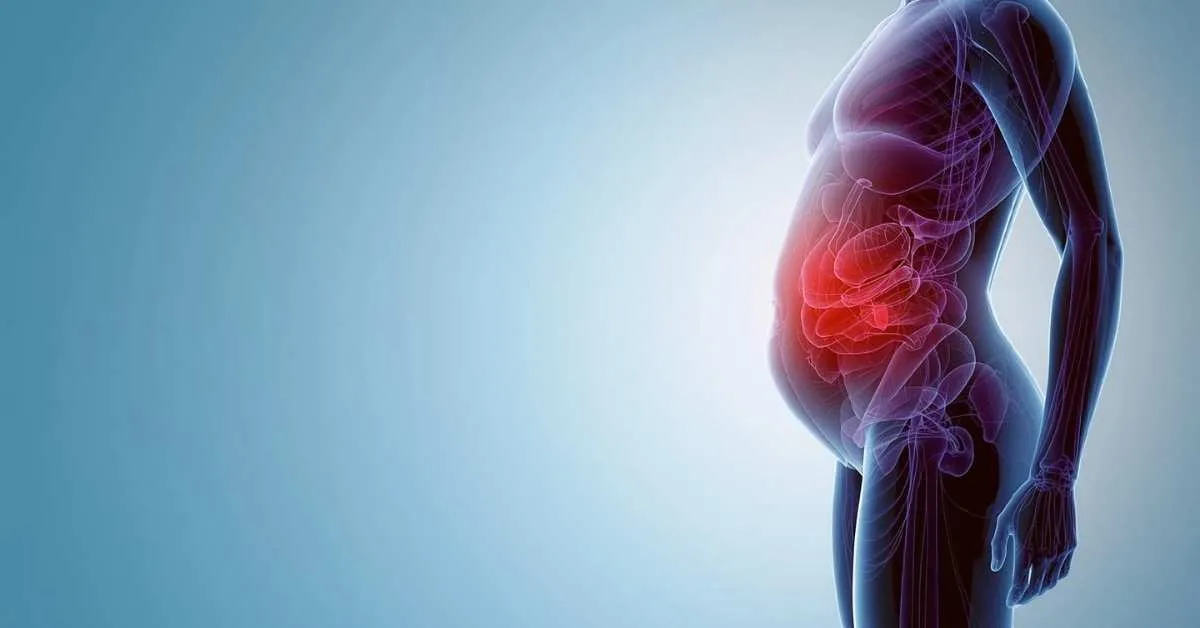
Water weight often shows up as bloating, puffiness, or swelling, particularly in the abdomen, face, hands, or legs. The key thing to remember is that water weight is temporary and does not reflect true fat gain.
What Is Body Fat?
Body fat is the body’s way of storing excess energy for future use. Unlike water weight, fat does not fluctuate overnight. It builds up gradually when you consistently consume more calories than your body needs and decreases slowly when you maintain a calorie deficit over time. This is why true fat loss requires patience and consistency.
There are two main types of body fat: essential fat and storage fat. Essential fat is necessary for normal bodily functions such as hormone production, organ protection, and temperature regulation. Storage fat, which is found under the skin (subcutaneous fat) and around internal organs (visceral fat), is what most people aim to reduce for health and appearance reasons.
Fat gain occurs when excess calories—whether from carbohydrates, fats, or protein—are stored as triglycerides in fat cells. Hormones like insulin play a key role by signaling the body to store energy. On the other hand, fat loss happens when your body needs more energy than you consume, prompting it to break down stored fat for fuel.
Because fat loss is a slow metabolic process, you won’t see dramatic daily changes on the scale. Instead, progress appears over weeks or months through reduced measurements, improved body composition, and changes in how clothes fit. Understanding this difference helps prevent confusing normal water fluctuations with actual fat gain.
Water Weight vs Fat: Key Differences Explained
Understanding the difference between water weight and body fat can save you a lot of frustration during your weight-loss journey. The most noticeable difference is how quickly they change. Water weight can increase or decrease within a day due to hydration, sodium intake, or hormonal shifts. Fat, however, changes slowly and requires consistent habits over time.
Another major difference is appearance. Water weight often causes bloating or puffiness, especially in the stomach, face, hands, and legs. Your body may feel soft or swollen, and tight clothing can feel uncomfortable. Fat gain, on the other hand, leads to gradual changes in body shape, increased measurements, and a more consistent feeling of heaviness rather than sudden bloating.
Scale behavior also differs. Rapid weight gain or loss—such as two to five pounds in a short period—is almost always water weight. Gaining that amount of fat would require a large and sustained calorie surplus. Fat loss typically shows up as slow, steady progress rather than dramatic drops.
From a health perspective, water weight is usually temporary and harmless, while excess body fat—especially visceral fat—can increase the risk of chronic conditions like heart disease and diabetes. Recognizing these differences helps you focus on long-term fat loss instead of reacting emotionally to short-term scale changes.
How to Tell If Weight Gain Is Water Weight or Fat
One of the most common questions people ask is how to determine whether recent weight gain is water weight or body fat. The first clue is time. If the scale jumps up overnight or within a few days, it’s almost certainly water weight. Gaining even one pound of fat requires a consistent calorie surplus over time, which doesn’t happen instantly.
Pay attention to physical signs. Water weight often comes with bloating, puffiness, or swelling, especially around the abdomen, face, fingers, and ankles. Your body may feel softer, and rings or shoes might feel tight. Fat gain usually doesn’t cause sudden swelling; instead, it leads to gradual changes in body shape and measurements.
Another helpful indicator is how your clothes fit. If your clothes suddenly feel tight but return to normal after a few days of healthy eating and hydration, water retention is likely the cause. With fat gain, clothes progressively become tighter and stay that way.
Finally, look at weight trends rather than daily numbers. Daily fluctuations are normal due to water shifts. Tracking weekly averages, progress photos, and body measurements provides a clearer picture of true fat loss or gain. This approach helps reduce stress and keeps you focused on long-term progress.
Why Weight Drops Quickly at the Start of a Diet
Many people experience rapid weight loss during the first week of a new diet and assume they’re losing body fat fast. In reality, most of this early drop is due to water weight, not fat. Understanding this helps set realistic expectations and prevents disappointment later on.
One key reason is glycogen depletion. When you reduce calorie or carbohydrate intake, your body uses stored glycogen for energy. Since glycogen is stored with a significant amount of water, burning through these reserves releases that water, leading to a quick decrease on the scale. This is especially noticeable on low-carb or ketogenic diets.
Another factor is reduced sodium intake. Many diet plans naturally cut out processed and restaurant foods, which are high in sodium. Lower sodium levels cause the body to release excess retained water, further contributing to rapid weight loss.
Improved eating habits also reduce digestive weight, such as the amount of food sitting in your stomach and intestines. While this change affects scale weight, it doesn’t reflect fat loss.
Although seeing fast results can be motivating, it’s important to remember that this phase is temporary. Once water balance stabilizes, weight loss slows down. Real, lasting fat loss happens gradually through consistent habits, not dramatic short-term drops.
Health Implications of Water Weight
In most cases, water weight is normal and temporary, and it doesn’t pose a serious health risk. Daily fluctuations in fluid levels are part of how the body maintains balance. Factors like diet, hydration, exercise, and hormones all influence how much water your body retains at any given time.
However, persistent or excessive water retention can sometimes signal an underlying issue. Swelling in the legs, ankles, feet, or hands—known as edema—may be linked to poor circulation, kidney problems, heart conditions, or certain medications. Hormonal imbalances and chronic stress can also contribute to ongoing water retention. If swelling is painful, sudden, or long-lasting, medical advice should be sought.
Temporary water weight can still affect how you feel. Bloating and puffiness may cause discomfort, fatigue, or a negative body image, even though no fat has been gained. Athletes and people who exercise intensely may also experience short-term water retention due to muscle inflammation as the body repairs itself.
The key is learning to distinguish normal water fluctuations from abnormal fluid buildup. Maintaining proper hydration, reducing excessive sodium intake, managing stress, and getting enough sleep can help regulate water balance. When addressed early, water weight is usually easy to manage and does not interfere with long-term fat loss or overall health goals.
Health Risks of Excess Body Fat
While water weight is usually temporary and harmless, excess body fat—especially when accumulated over time—can have significant health consequences. Unlike water, fat is a long-term energy store, and carrying too much of it, particularly visceral fat around internal organs, increases the risk of chronic diseases.
Visceral fat is metabolically active, producing hormones and inflammatory compounds that can negatively affect insulin sensitivity, blood pressure, and cholesterol levels. This is why high levels of body fat are linked to type 2 diabetes, heart disease, stroke, and certain cancers. Subcutaneous fat, which lies under the skin, is less dangerous but can still contribute to overall health risks if present in excess.
Excess fat also impacts hormonal balance. For instance, it can disrupt sex hormones, cortisol, and leptin, leading to increased hunger, poor sleep, and difficulty losing weight. Beyond physical health, carrying too much fat may affect mobility, joint health, and overall quality of life.
Unlike water weight, fat cannot be lost overnight. Sustainable fat loss requires a consistent calorie deficit, balanced nutrition, and regular exercise. Understanding the difference between temporary water fluctuations and long-term fat accumulation helps you focus on healthy, realistic goals and prevents frustration from short-term scale changes.
How to Reduce Water Weight Safely and Naturally
If you notice sudden weight gain due to water retention, there are several safe ways to reduce it without harming your health. The first step is staying properly hydrated. While it may seem counterintuitive, drinking enough water helps the body release excess fluid. When you’re dehydrated, your body holds onto water as a protective mechanism, so consistent hydration is key.
Reducing sodium intake is another effective strategy. Processed foods, fast food, and packaged snacks are typically high in salt, which encourages the body to retain water. Opting for fresh, whole foods and cooking at home can help balance sodium levels. Additionally, incorporating potassium-rich foods like bananas, spinach, and sweet potatoes helps regulate fluid balance by counteracting sodium’s effects.
Light movement and exercise also promote water release through sweating and improved circulation. Even short walks or gentle cardio can reduce puffiness and bloating. Managing stress and sleep quality is important too, as high cortisol levels and poor sleep can contribute to fluid retention.
Finally, avoiding excessive alcohol and caffeine, which can dehydrate or irritate the body, helps maintain proper water balance. These natural strategies typically reduce water weight within a few days and support overall well-being without the need for drastic measures or supplements.
How to Lose Fat Effectively (Not Just Water Weight)
Unlike water weight, fat loss is a gradual process that requires consistency, planning, and patience. Losing fat safely involves creating a sustainable calorie deficit, meaning you burn more calories than you consume over time. Extreme diets or quick fixes may produce rapid scale drops, but most of this initial weight loss is water, not fat.
A balanced diet is crucial for real fat loss. Focus on whole foods, lean proteins, complex carbohydrates, healthy fats, and plenty of fiber. Protein is particularly important, as it helps preserve muscle mass while promoting fat loss. Avoiding highly processed foods and excessive sugar can also improve your results and prevent additional fat gain.
Exercise is another cornerstone. Combining strength training with cardio ensures you burn calories while maintaining or building muscle. Muscle mass boosts metabolism, which supports long-term fat loss. High-intensity interval training (HIIT) and moderate-intensity cardio can help create the calorie deficit needed for fat reduction.
Consistency is more important than perfection. Tracking progress with measurements, body composition, and photos rather than relying solely on the scale helps you see true fat loss over time. Sustainable fat loss requires patience—overnight results are impossible, but long-term habits lead to lasting changes and improved health.
Common Myths About Water Weight and Fat Loss
There are many misconceptions surrounding water weight and fat loss, which can lead to frustration and poor decision-making. One of the most common myths is that sweating equals fat loss. While sweating expels water from the body, it does not burn fat. Any weight lost through sweating is temporary water weight and is quickly restored once you rehydrate.
Another widespread belief is that carbs automatically cause fat gain. Carbohydrates can lead to temporary water retention because glycogen binds with water, but eating carbs in moderation does not directly result in fat accumulation. Similarly, rapid weight loss is often mistaken for real fat loss, especially during the first few days of a new diet. Most of this initial drop is water weight, not fat.
Some people also assume that water weight is bad. In reality, water retention is a normal physiological process and often temporary, caused by factors like sodium intake, hormonal fluctuations, or dehydration.
Lastly, the idea that scale numbers are the ultimate measure of success is misleading. Short-term fluctuations are mostly water-related, so relying solely on the scale can distort progress perception. Understanding these myths helps you make informed choices, stay patient, and focus on real, long-term fat loss rather than temporary water fluctuations.
Scale Weight vs Real Progress
One of the biggest challenges in any weight-loss journey is relying too heavily on the scale as a measure of success. Daily fluctuations can be discouraging, but understanding what the scale actually measures can prevent unnecessary stress. The number on the scale reflects total body weight, which includes water, fat, muscle, glycogen, and even recent meals. This means that a sudden gain or drop does not necessarily indicate true fat loss or gain.
Short-term changes—like a two- to five-pound increase overnight—are almost always due to water weight. Even after a heavy meal or salty dinner, your body may retain extra fluid temporarily. Conversely, fat loss occurs slowly and steadily over weeks or months through a consistent calorie deficit, proper nutrition, and exercise.
To track real progress, it’s better to focus on body composition, measurements, and non-scale victories. Take regular photos, track waist, hip, and other body measurements, and notice changes in how clothes fit. Strength gains, increased energy, and improved fitness are also reliable indicators of progress that the scale cannot measure.
By understanding the difference between temporary water fluctuations and true fat loss, you can maintain motivation, set realistic expectations, and avoid being misled by the day-to-day numbers on the scale. This perspective helps create a more sustainable and successful approach to long-term weight management.
Frequently Asked Questions (FAQ) About Water Weight vs Fat
Understanding the differences between water weight and fat often leads to many common questions. Here are answers to some of the most frequently asked ones:
1. Can you lose water weight overnight?
Yes, water weight can fluctuate quickly, sometimes within hours. Factors like sweating during exercise, urination, reduced sodium intake, or lower carbohydrate consumption can temporarily reduce water retention. However, these changes are not fat loss and are usually short-lived.
2. How long does water weight last?
Water weight is generally temporary and can last anywhere from a few hours to a few days, depending on diet, hydration, hormonal fluctuations, and lifestyle. Persistent swelling may indicate an underlying health issue.
3. Does drinking more water reduce water retention?
Absolutely. Staying well-hydrated signals your body that it doesn’t need to hold onto excess fluid. Paradoxically, dehydration often worsens water retention.
4. Why does weight fluctuate daily?
Daily weight changes are mostly due to water, food intake, bowel movements, and glycogen stores. These fluctuations are normal and don’t indicate fat gain or loss.
5. How can you tell water weight from fat?
Look at the speed of change, physical signs (bloating, puffiness), clothing fit, and long-term trends. Fat changes slowly, whereas water weight can appear or disappear rapidly.
These FAQs help clarify common misconceptions and guide readers in focusing on long-term fat loss rather than short-term scale fluctuations.

I’m J.K. Rowling, the Joke Master behind JokeDrops.com. I mix wit and humor to craft jokes that’ll make your day a little brighter — and a lot funnier!