Looking to level up your workouts without hitting the gym for hours?
A Weight Vest For Men might just be your new best friend.
Think of it as adding an extra challenge without changing your routine. Jogging, push ups, or even walking around the block suddenly feel like next level training.
It’s like giving your body a little nudge okay, maybe a heavy nudge but in the right way.
You’re chasing strength, endurance, or just want to feel like a superhero in your own living room, this simple gear packs a punch.
Let’s break down why every guy should consider strapping one on and how it can totally transform your fitness game.
What Is a Weight Vest?
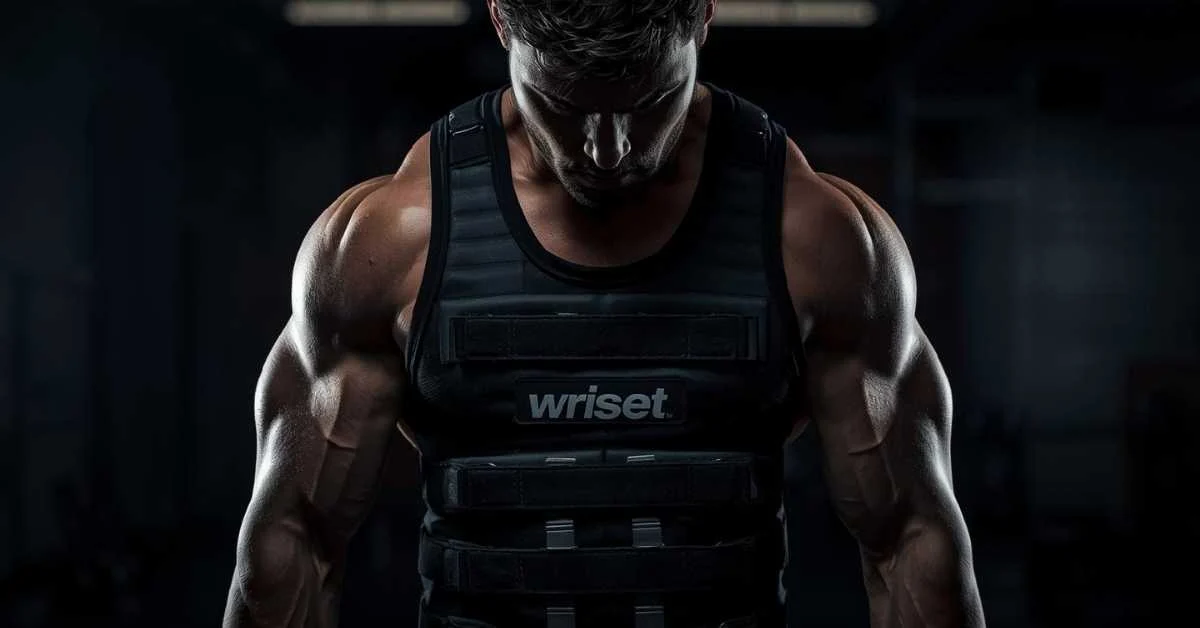
A weight vest is exactly what it sounds like — a vest you wear on your upper body with added weight inside it. Simple idea, big impact. Instead of holding dumbbells or loading a barbell, the weight sits evenly across your chest, back, and shoulders, letting your body move naturally while working harder. This is why a weight vest for men is so popular in bodyweight training and functional fitness.
Most modern weight vests come with small removable weights, usually made of steel or sand, so you can adjust the load as you get stronger. Some vests have a fixed weight, while others allow you to start light and slowly increase resistance — perfect for beginners who don’t want to overdo it on day one.
What makes a weight vest different from ankle weights or backpacks is balance. A good vest distributes weight evenly, which helps maintain posture and reduces unnecessary strain on joints. You can walk, squat, push, pull, and even run without feeling awkward or restricted.
Another big advantage is versatility. You can use a weight vest at home, in the gym, outdoors, or even during simple activities like walking or climbing stairs. No setup, no plates, no machines — just put it on and move.
In short, a weight vest turns everyday movement into resistance training. And for men who want strength, endurance, and fat loss without complicated equipment, it’s one of the most practical tools you can own.
Benefits of a Weight Vest for Men
If you’re wondering why men everywhere are adding weight vests to their workouts, it’s simple: results. A few extra pounds strapped to your torso can make your body work harder in ways you didn’t even think were possible. Let’s break down the main benefits.
1. Builds Strength and Muscle
Adding weight increases resistance during bodyweight exercises like push-ups, pull-ups, and squats. Your muscles have to work harder to lift your own body plus the vest’s weight, triggering growth and strength gains faster than unweighted exercises alone.
2. Boosts Fat Loss
Weight vests make your heart rate climb faster and burn more calories even during low-impact exercises. Walking up the stairs or doing a jog suddenly feels like a mini-HIIT session, which accelerates fat burning and helps you lean out.
3. Improves Endurance and Cardiovascular Health
Wearing a weight vest while walking, running, or doing circuit training forces your heart and lungs to adapt to extra load. Over time, this increases stamina, boosts endurance, and improves overall cardiovascular fitness.
4. Enhances Functional Strength
Because a vest forces you to move naturally while carrying weight, it improves your real-world strength. Everyday movements—lifting groceries, climbing stairs, or playing sports—become easier.
5. Supports Posture and Bone Health
The even distribution of weight engages your core, back, and shoulders, promoting better posture. Plus, the added load encourages bone density growth over time, which is especially important as men age.
In short, a weight vest for men isn’t just for hardcore athletes — it’s a small tool that delivers big results for strength, fat loss, and overall fitness.
Who Should Use a Weight Vest?
Not every man needs a weight vest, but if you fall into the right category, it can be a game-changer. Whether your goal is strength, fat loss, or endurance, a weight vest can take your workouts to the next level — as long as you use it correctly.
1. Beginners
Yes, beginners can use a weight vest, but start light. Even 5–10 pounds added to simple exercises like walking, squats, or push-ups can increase calorie burn and muscle engagement without risking injury. The key is to gradually progress and avoid jumping straight into heavy loads.
2. Intermediate and Advanced Trainees
For men who have mastered bodyweight exercises or already lift weights, a vest adds extra resistance without needing bars or machines. It’s perfect for adding progressive overload, which is essential for continued muscle growth and strength gains.
3. Athletes
Runners, footballers, martial artists, and CrossFit enthusiasts can use a weight vest to improve speed, endurance, and explosive power. The added weight strengthens the core and improves cardiovascular capacity, translating directly to better performance on the field or court.
4. Men Focused on Fat Loss
Even a short walk with a weight vest can burn significantly more calories than walking unweighted. Men looking to shed fat can integrate the vest into daily routines or cardio sessions for maximum effect.
5. Men Over 30 or 40
A weight vest can be safe and effective for older men, but attention to joints and posture is crucial. Start light, focus on proper form, and prioritize mobility exercises alongside weighted workouts.
Who Should Avoid It?
Men with back, shoulder, or knee injuries should consult a doctor first. Heavy weight vests can strain joints if used incorrectly, so caution is necessary.
In short, a weight vest is versatile, but matching your fitness level and goals is key to using it safely and effectively.
Types of Weight Vests for Men
Not all weight vests are created equal. Choosing the right type can make the difference between a productive workout and frustration. Here’s a detailed breakdown of the main types of weight vests for men and how each fits different goals.
1. Fixed-Weight Vests
These vests come with a set amount of weight that cannot be adjusted. They are simple, durable, and often cheaper than adjustable options. Ideal for men who know exactly how much resistance they want or for those just starting with moderate weight. The downside is lack of flexibility — you can’t easily increase or decrease weight as your strength grows.
2. Adjustable Weight Vests
Adjustable vests are versatile and popular. They have removable weights, usually small sandbags or metal plates, allowing you to start light and progressively increase the load as you get stronger. Perfect for beginners, intermediates, or anyone wanting a gradual challenge without buying multiple vests.
3. Tactical or Military-Style Vests
These vests are built tough, often designed for military or law enforcement training. They’re heavier, more durable, and can carry a lot of weight. While great for hardcore workouts, they’re bulkier and may not be comfortable for daily use or running.
4. Running or Lightweight Vests
Made for cardio enthusiasts, these vests are slimmer, breathable, and designed to minimize bounce during movement. They usually carry less weight but allow longer sessions without discomfort, making them ideal for runners or outdoor fitness.
5. Specialty Vests
Some vests are designed for specific purposes like CrossFit, calisthenics, or HIIT circuits. They may include extra padding, water resistance, or ergonomic designs for maximum comfort during dynamic movements.
Key Takeaway:
Choosing the right vest depends on your goal, activity type, and comfort preference. Adjustable vests are the most versatile, while tactical vests suit strength-focused or extreme training. Lightweight vests shine for running or endurance training.
How to Choose the Best Weight Vest for Men
Picking the right weight vest can feel confusing, especially with so many options on the market. But if you focus on a few key factors, you’ll find one that fits your body, goals, and workouts perfectly.
1. Weight Capacity and Adjustability
Before buying, consider how much weight you actually need. Beginners might start with 5–10 pounds, while advanced trainees could go up to 40 pounds or more. Adjustable vests are ideal because you can gradually increase resistance without buying multiple vests.
2. Fit and Comfort
A vest that doesn’t fit well will chafe, bounce, or restrict movement. Look for adjustable straps around the chest, shoulders, and waist. Padded vests help prevent rubbing and distribute weight evenly, which reduces strain on joints and improves posture.
3. Material and Breathability
Since you’ll likely sweat during workouts, breathable materials like mesh or lightweight nylon keep you cooler. Durability is also important — a high-quality vest should handle daily use without tearing or losing shape.
4. Design and Weight Distribution
Some vests place most weight in the front, some in the back, and some evenly across the torso. Even distribution is generally better for posture and reduces lower-back stress. Tactical or bulky designs might feel heavier than they actually are because of poor weight balance.
5. Price vs Quality
Don’t just go for the cheapest option. A well-made vest might cost more upfront but will last longer, feel more comfortable, and give better results. Look for vests with good reviews and warranties.
Bottom Line:
The best weight vest for men balances comfort, adjustability, durability, and your fitness goals. Don’t compromise on fit or safety — a vest that hurts or slides around will do more harm than good.
How Much Weight Should Men Start With?
One of the most common questions about weight vests for men is: “How much weight should I start with?” The answer depends on your fitness level, workout type, and goals, but there are some general guidelines to keep you safe and maximize results.
1. Beginners
If you’re new to weighted training, start light — usually 5–10 pounds is enough. The goal at this stage is to get used to the added resistance without compromising form. Start with bodyweight exercises like push-ups, squats, or walking, and focus on controlled movements. Using too much weight too early can lead to joint strain, back pain, or injury.
2. Intermediate Trainees
Once your body adapts to the light load, gradually increase the weight in small increments — usually 10–20% of your body weight. At this stage, you can start adding weight to more intense exercises like pull-ups, lunges, or stair climbs. Listen to your body: if your form breaks down, reduce the weight.
3. Advanced Trainees
Experienced lifters or athletes can go higher — sometimes 20–40 pounds or more, depending on the exercise. The key is to maintain proper posture and controlled movements at all times. Progressive overload is essential here, but overdoing it can increase the risk of joint or back injuries.
4. General Tips
- Start with lighter weights and gradually increase
- Always maintain correct posture and form
- Avoid wearing the vest for excessively long periods at first
- Combine weight vest training with mobility exercises to protect joints
Bottom Line:
The right starting weight is challenging but manageable. Begin conservatively, progress gradually, and let your body adapt. Consistency beats reckless heaviness every time.
Best Exercises Using a Weight Vest
Once you’ve chosen the right weight and type of vest, it’s time to put it to work. A weight vest for men can turn everyday exercises into serious strength and endurance builders. Here are some of the most effective workouts:
1. Bodyweight Strength Exercises
- Push-ups: Add resistance to engage your chest, shoulders, and triceps more intensely.
- Pull-ups: The extra weight forces your back and arms to work harder.
- Squats & Lunges: Perfect for building leg strength and core stability.
- Dips: Challenge your triceps, chest, and shoulders simultaneously.
2. Cardio Training
- Walking: Even a light vest turns a regular walk into a calorie-burning session.
- Jogging or Running: Lightweight, breathable vests add resistance to improve endurance and speed.
- Stair Climbing: Great for lower body strength and cardiovascular conditioning.
3. HIIT and Circuit Training
High-intensity interval training becomes more challenging and effective with a weight vest. Jump squats, burpees, mountain climbers, and push-up variations all get more intense, boosting both fat loss and muscle growth.
4. Outdoor and Functional Workouts
- Hiking: Strap on a vest for extra load to simulate real-world strength demands.
- Agility Drills: Shuttle runs, ladder drills, and lateral movements benefit from added resistance, improving speed and balance.
Tips for Maximum Benefit
- Start with lighter weights and shorter sessions.
- Focus on form over speed — improper technique can lead to injury.
- Mix vest workouts with unweighted days to allow recovery.
Bottom Line:
A weight vest is versatile. Whether you’re doing strength, cardio, HIIT, or outdoor training, the added resistance amplifies results, making every movement count toward strength, endurance, and fat loss.
Sample Weight Vest Workout Plans
If you’re ready to put theory into action, here are sample workout plans for men using a weight vest, designed for different fitness levels. Each plan focuses on strength, endurance, and fat burning.
1. Beginner Full-Body Plan (3 Days/Week)
- Warm-Up: 5–10 minutes light cardio (walking or jogging)
- Push-Ups: 3 sets × 10–15 reps
- Bodyweight Squats: 3 sets × 12–15 reps
- Lunges: 3 sets × 10 reps per leg
- Plank: 3 sets × 30–45 seconds
- Cool-Down: Stretching 5 minutes
Use a light vest (5–10 lbs) to start. Focus on proper form and controlled movement.
2. Intermediate Fat-Loss Plan (4 Days/Week)
- Warm-Up: 10 minutes brisk walking or jogging with vest
- Weighted Push-Ups: 4 sets × 12 reps
- Pull-Ups: 3 sets × 6–10 reps
- Jump Squats: 3 sets × 12 reps
- Burpees: 3 sets × 10 reps
- Stair Climbing: 10 minutes
- Cool-Down: Stretching
Use a moderate vest (10–20 lbs). Combine strength and cardio for maximum calorie burn.
3. Advanced Strength & Endurance Plan (5 Days/Week)
- Warm-Up: 10 minutes running or fast walking
- Weighted Pull-Ups: 4 sets × 8 reps
- Weighted Dips: 4 sets × 10 reps
- Walking Lunges: 3 sets × 12 per leg
- Burpees with Jump Squat: 3 sets × 12 reps
- HIIT Sprint Intervals: 10–15 minutes
- Cool-Down: Stretching and foam rolling
Use a heavier vest (20–40 lbs). Maintain good posture and proper technique — don’t sacrifice form for weight.
Tips for Success:
- Always listen to your body; don’t overdo it.
- Alternate weighted and unweighted days to allow recovery.
- Track progress — increase weight or reps gradually.
Weight Vest for Men Over 40
For men over 40, a weight vest can be a fantastic tool — but it requires extra care. As we age, joints, bones, and recovery times change, so a smart approach is essential to avoid injury while still reaping the benefits of added resistance.
1. Start Light and Progress Slowly
Older men should begin with lighter vests, typically 5–10 pounds, even for bodyweight exercises. The focus should be on controlled movements, not heavy loads. Gradually increase the weight only as strength and comfort improve.
2. Focus on Joint-Friendly Exercises
Low-impact exercises like squats, lunges, push-ups, and walking are ideal. Avoid high-impact movements or plyometrics until you’ve adapted to the weight. This protects knees, hips, and the lower back, which can be more vulnerable with age.
3. Prioritize Mobility and Warm-Up
Warming up and stretching is crucial. Shoulder rolls, hip circles, and dynamic stretches prepare joints for the added load. Post-workout stretching or yoga helps maintain flexibility and prevents stiffness.
4. Monitor Recovery
Muscles and joints take longer to recover after weighted workouts. Limit heavy sessions to 2–3 times per week and alternate with lighter activities or unweighted workouts. Sleep, hydration, and nutrition become even more important for performance and recovery.
5. Benefits for Men Over 40
Despite the precautions, using a weight vest can boost bone density, improve posture, increase muscle mass, and enhance cardiovascular endurance. It also helps maintain functional strength for daily activities like lifting, climbing stairs, or carrying groceries.
Bottom Line:
For men over 40, a weight vest is safe and highly effective when used thoughtfully. Start light, focus on proper form, and gradually increase resistance to enjoy strength, endurance, and fat loss benefits while protecting joints and mobility.
Common Mistakes Men Make When Using Weight Vests
Weight vests are simple in concept, but many men make mistakes that reduce effectiveness or even cause injury. Knowing what not to do can save you pain and keep your workouts productive.
1. Starting with Too Much Weight
One of the biggest mistakes is jumping straight into a heavy vest. Beginners often overestimate their strength and load the vest with too many pounds. This can lead to poor form, joint strain, and back pain. Start light and increase weight gradually.
2. Ignoring Proper Form
Even a small extra weight can throw off your posture if exercises are performed incorrectly. Rounded backs during squats or push-ups, leaning forward while walking, or flaring elbows in push-ups can lead to injuries. Always focus on controlled, precise movements.
3. Using the Vest for the Wrong Exercises
Some exercises are not suitable with added weight, such as deep jumps, heavy plyometrics, or rapid twisting movements. These can overload joints or spine, especially in older men or those with prior injuries. Stick to exercises where you can maintain balance and control.
4. Overtraining
Weight vests increase intensity, which also increases recovery needs. Using the vest every day for long periods without rest can cause fatigue, soreness, or overuse injuries. Plan your vest workouts carefully and include unweighted days.
5. Poor Fit or Quality
A vest that slides, digs into shoulders, or lacks padding can make workouts uncomfortable and unsafe. Always choose a vest that fits well, distributes weight evenly, and stays in place during movement.
Bottom Line:
Avoid these mistakes and your weight vest workouts will be safer, more effective, and far more enjoyable. Start light, focus on form, pick suitable exercises, and listen to your body — progress comes gradually, not overnight.
Safety Tips and Injury Prevention
Using a weight vest for men can supercharge your workouts, but safety should always come first. The last thing you want is to gain strength while losing your joints! Here are some key tips to stay safe while maximizing results.
1. Warm Up Properly
Always start with a 5–10 minute warm-up to get your heart rate up and joints ready. Dynamic stretches like arm circles, leg swings, and torso twists help loosen shoulders, hips, and spine before strapping on the vest.
2. Maintain Proper Form
The added weight increases the load on your muscles and joints. Focus on keeping correct posture — straight back, engaged core, and controlled movements. If your form starts to break down, reduce weight or reps immediately.
3. Choose the Right Weight
Don’t overload your vest. Start conservatively, especially if you’re a beginner or over 40. Gradually increase the weight as your strength and endurance improve, aiming for progressive overload without risking injury.
4. Protect Your Joints
Exercises like jumping, running, or twisting with heavy weight can stress knees, hips, and lower back. Modify movements or choose low-impact alternatives if you feel any discomfort.
5. Limit Session Duration
Avoid wearing the vest for too long at first. Start with short sessions (15–30 minutes) and gradually increase as your body adapts. Overdoing it can cause fatigue, soreness, and increased injury risk.
6. Listen to Your Body
Pain is a signal — not a challenge. Stop or reduce intensity if you feel joint pain, sharp aches, or unusual fatigue. Combine weight vest workouts with mobility exercises, stretching, and adequate rest.
Bottom Line:
Weight vests are safe and effective when used thoughtfully. Warm-up, maintain proper form, choose appropriate weight, and protect your joints — follow these tips and your workouts will be productive, safe, and sustainable.
Weight Vest Pros and Cons
Like any fitness tool, a weight vest for men has advantages and disadvantages. Understanding both sides helps you decide how to use it safely and effectively.
Pros:
1. Versatile Training Tool
A weight vest can be used for bodyweight exercises, cardio, HIIT, hiking, running, and functional training. It adds resistance to nearly any movement, making workouts more effective without requiring complex equipment.
2. Builds Strength and Endurance
By increasing the load on your muscles and cardiovascular system, a weight vest promotes muscle growth, improves stamina, and enhances overall athletic performance.
3. Fat Loss Friendly
Even everyday activities like walking or stair climbing burn more calories when wearing a vest. This makes it an excellent tool for men aiming for weight loss or increased metabolic activity.
4. Portable and Convenient
Unlike heavy gym equipment, a vest is compact, lightweight (without weights), and easy to use anywhere — at home, outdoors, or in the gym.
Cons:
1. Joint Strain Risk
Incorrect weight, poor form, or overuse can strain knees, hips, shoulders, and back. Men with preexisting joint issues should use caution or consult a professional.
2. Limited for Certain Movements
High-impact or explosive exercises like heavy jumping or twisting can be unsafe with added weight. Not every exercise benefits from a vest.
3. Cost Factor
High-quality vests with adjustable weight and good materials can be pricey, though they are a long-term investment. Cheaper options may sacrifice comfort, durability, or balance.
Bottom Line:
A weight vest is highly effective when used correctly, offering strength, endurance, and fat-loss benefits. Awareness of the limitations and proper technique ensures maximum results with minimal risk.
Weight Vest vs Other Training Equipment
When it comes to resistance training, men have plenty of options: dumbbells, kettlebells, resistance bands, and now weight vests. Each tool has its place, but a weight vest for men offers unique benefits and differences worth considering.
1. Weight Vest vs Dumbbells
Dumbbells are great for isolated strength exercises, targeting specific muscles like biceps or shoulders. A weight vest, however, distributes resistance across the torso, engaging multiple muscle groups at once. While dumbbells require separate equipment and often a bench or rack, a vest lets you train your entire body while moving naturally — push-ups, pull-ups, squats, or even walking with extra load.
2. Weight Vest vs Kettlebells
Kettlebells are excellent for dynamic, explosive movements like swings, cleans, and snatches. They improve strength, coordination, and cardiovascular fitness. But they demand technique and space. Weight vests add constant resistance without interrupting your natural movement pattern, making them safer for everyday exercises and endurance training.
3. Weight Vest vs Resistance Bands
Resistance bands are versatile, lightweight, and portable. They’re great for joint-friendly strength training and stretching. However, they provide variable resistance only during specific movements. A weight vest adds constant, evenly distributed weight during the entire range of motion, making every movement more challenging, even walking or stair climbing.
4. Key Takeaway
While dumbbells, kettlebells, and bands all have their uses, a weight vest shines in functional, full-body resistance, portability, and convenience. It complements other equipment rather than replacing it — ideal for men looking to maximize results in less time.
Bottom Line:
Think of a weight vest as the Swiss Army knife of resistance training: versatile, effective, and perfect for adding extra intensity to both strength and cardio workouts.
Frequently Asked Questions (FAQ) About Weight Vests for Men
Here are the most common questions men have about weight vests, answered in plain, practical terms.
1. Is a weight vest safe for everyday use?
Yes, but only if you use the right weight and limit session length. Wearing a heavy vest for hours can strain joints and posture. For most men, 15–30 minutes per session is plenty. Start light and gradually increase weight as your body adapts.
2. Can a weight vest help build muscle?
Absolutely. Adding extra resistance to push-ups, pull-ups, squats, and lunges increases muscle activation, promoting strength and hypertrophy. Combined with a balanced diet, a weight vest can accelerate muscle growth.
3. Does walking with a weight vest burn more fat?
Yes. Extra weight increases calorie expenditure and heart rate, turning even a simple walk into a more effective fat-burning session. Over time, it can help with weight loss and endurance.
4. How much weight should men start with?
Beginners usually start with 5–10 pounds. Intermediate users can go up to 10–20% of their body weight, while advanced athletes may use 20–40 pounds, depending on exercise type and fitness level. Always prioritize form over weight.
5. Can it damage knees or back?
It can if used improperly. Avoid jumping, twisting, or high-impact moves with excessive weight. Ensure the vest fits snugly, distributes weight evenly, and start with lighter loads to protect joints.
6. Is a weight vest good for men over 40?
Yes, but older men should start lighter, focus on joint-friendly exercises, and monitor recovery. Proper warm-up, stretching, and controlled movements are essential.
Bottom Line:
Weight vests are safe, versatile, and effective when used thoughtfully. Start light, maintain form, and gradually progress to unlock strength, endurance, and fat-loss benefits.

I’m J.K. Rowling, the Joke Master behind JokeDrops.com. I mix wit and humor to craft jokes that’ll make your day a little brighter — and a lot funnier!