When it comes to losing weight, choosing the right foods plays a crucial role in achieving long term success.
Fruits are often recommended as part of a healthy diet, yet many people wonder whether they truly support weight loss because of their natural sugar content.
The truth is that fruits can be powerful allies in your weight loss journey when eaten in the right way and in proper portions.
Most fruits are low in calories, high in water, and rich in fiber, which helps you feel full for longer and reduces unnecessary snacking.
They also provide essential vitamins, minerals, and antioxidants that support overall health while dieting.
Unlike processed snacks, fruits offer natural sweetness without unhealthy fats or added sugars.
Understanding which fruits are best for weight loss and how to include them in your daily meals can make dieting easier, more enjoyable, and more sustainable.
In this article, we’ll explore what fruits are good for weight loss, how they work in the body, and how to eat them effectively for the best results.
Understanding Weight Loss Fundamentals
Before diving into which fruits are best for weight loss, it’s important to understand how weight loss actually works. At its core, weight loss happens when you burn more calories than you consume, creating a calorie deficit. However, the quality of those calories matters just as much as the quantity. Eating nutrient-dense foods helps your body function properly, manage hunger, and maintain energy levels while losing weight.
One of the biggest challenges in weight loss is controlling appetite. Foods that are high in fiber and water tend to be more filling, which helps reduce overall calorie intake throughout the day. This is where fruits fit perfectly into a weight-loss diet. They provide volume without excessive calories, allowing you to eat satisfying portions while still staying within your calorie goals.
Another key factor is blood sugar balance. Highly processed foods and refined sugars can cause rapid spikes and crashes in blood sugar, leading to cravings and overeating. Whole fruits contain natural sugars paired with fiber, which slows digestion and helps maintain stable energy levels. This makes it easier to stick to a healthy eating plan.
Sustainable weight loss also depends on consistency. Extreme dieting or cutting out entire food groups often leads to burnout and weight regain. Including fruits allows for variety, natural sweetness, and enjoyment, which are essential for long-term success. When weight loss is approached as a lifestyle change rather than a temporary diet, fruits become a valuable and practical tool for achieving and maintaining a healthy body weight.
Are Fruits Good or Bad for Weight Loss?
A common question in dieting circles is whether fruits are actually good or bad for weight loss. This confusion mostly comes from the fact that fruits contain sugar, specifically fructose. However, the sugar found in whole fruits is very different from added or refined sugars found in processed foods. In fruits, natural sugars are packaged with fiber, water, vitamins, and antioxidants, which significantly changes how the body digests and uses them.
When you eat processed sugary foods, the lack of fiber causes blood sugar levels to spike quickly, often followed by a crash that triggers hunger and cravings. Whole fruits, on the other hand, digest more slowly because of their fiber content. This leads to steadier blood sugar levels and better appetite control, which is essential for weight loss.
Scientific research consistently shows that people who eat more whole fruits tend to have healthier body weights and lower risks of obesity. Rather than causing weight gain, fruits often replace high-calorie snacks like sweets, chips, or baked goods. This substitution alone can lead to a significant reduction in daily calorie intake.
That said, balance still matters. Eating excessive amounts of fruit without considering total calories may slow progress, especially with higher-sugar fruits. The key is moderation and choosing whole fruits over juices or dried varieties. When eaten as part of a balanced diet, fruits are not only good for weight loss—they actively support it.
Nutritional Profile of Fruits
Fruits are nutritional powerhouses that offer much more than just natural sweetness. Most fruits are low in calories and fat while being rich in essential micronutrients, making them ideal for weight loss. A major benefit of fruits is their high fiber content, which aids digestion, supports gut health, and helps you feel full for longer periods.
Another important component is water. Many fruits, such as watermelon, oranges, and strawberries, are made up of more than 80% water. High-water foods increase meal volume without adding many calories, helping you feel satisfied while eating less. This makes it easier to maintain a calorie deficit without feeling deprived.
Fruits are also packed with vitamins and minerals that support overall health during weight loss. Vitamin C helps with fat metabolism and immune function, potassium supports muscle function and reduces water retention, and antioxidants help fight inflammation that can interfere with weight loss.
In addition, fruits contain natural plant compounds like polyphenols and flavonoids, which may improve metabolic health and insulin sensitivity. Unlike empty-calorie foods, fruits nourish your body while supporting fat loss goals. When you focus on whole, fresh fruits instead of processed alternatives, you get maximum nutritional value with minimal calories, making fruits an essential part of any healthy weight-loss plan.
How Fruits Support Weight Loss
Fruits support weight loss in several effective and science-backed ways, making them a smart addition to any healthy diet. One of the most important benefits is their ability to control hunger. Most fruits are rich in dietary fiber, which slows digestion and helps you feel full for a longer time. When you feel satisfied after eating, you are less likely to snack on high-calorie or unhealthy foods between meals.
Another key advantage of fruits is their low energy density. This means they provide fewer calories relative to their volume. You can eat a generous portion of fruit and feel full without consuming a large number of calories. This makes fruits especially useful for people who struggle with portion control or constant hunger during weight loss.
Fruits also help stabilize blood sugar levels when eaten whole. The combination of natural sugars and fiber prevents sudden spikes and crashes in blood glucose, which can otherwise lead to cravings and overeating. Stable blood sugar supports consistent energy levels throughout the day and makes it easier to stick to a calorie-controlled diet.
In addition, fruits can satisfy sweet cravings in a healthier way. Instead of turning to desserts or sugary snacks, fruits provide natural sweetness along with vitamins, minerals, and antioxidants. These nutrients help reduce inflammation, support metabolism, and promote overall well-being during weight loss.
Finally, fruits make dieting more enjoyable and sustainable. Their variety of flavors, textures, and colors helps prevent boredom, which is a common reason people quit diets. By including fruits regularly, weight loss becomes more balanced, enjoyable, and easier to maintain over the long term.
Key Factors That Make a Fruit Weight-Loss Friendly
Not all fruits affect weight loss in the same way. Certain characteristics make some fruits especially helpful for losing weight, and understanding these factors can help you make smarter choices. One of the most important factors is calorie density. Weight-loss-friendly fruits are generally low in calories relative to their size, allowing you to eat satisfying portions without consuming too many calories. Apples, berries, and watermelon are great examples.
Fiber content is another crucial factor. Fruits high in fiber slow digestion, improve gut health, and help control appetite. Fiber increases feelings of fullness and reduces the urge to snack between meals. Fruits like pears, raspberries, and kiwi offer an excellent fiber-to-calorie ratio, making them ideal for fat loss.
The glycemic index (GI) also plays a role. Fruits with a low to moderate GI release sugar into the bloodstream more slowly, helping maintain stable blood sugar levels. Stable blood sugar prevents energy crashes and reduces cravings. Berries, apples, citrus fruits, and pears are generally lower on the glycemic index compared to tropical fruits.
Water content is another important consideration. Fruits with high water content add volume to meals without adding many calories. This supports hydration and enhances fullness. Watermelon, oranges, and strawberries are particularly effective in this regard.
Lastly, nutrient density matters. Weight-loss-friendly fruits provide essential vitamins, minerals, and antioxidants that support metabolism and overall health. When you choose fruits that are low in calories, high in fiber and water, and rich in nutrients, you maximize fat-loss benefits while maintaining balanced nutrition.
Best Fruits for Weight Loss
Choosing the right fruits can make a noticeable difference in your weight-loss journey. While most fruits are healthy, some stand out because they are especially low in calories, high in fiber, and effective at keeping you full. Apples are one of the best fruits for weight loss due to their high fiber and water content. Eating a whole apple before meals can help reduce overall calorie intake by increasing satiety.
Berries such as strawberries, blueberries, raspberries, and blackberries are another excellent choice. They are low in sugar compared to many fruits and rich in antioxidants that support metabolic health. Raspberries, in particular, are very high in fiber, making them ideal for appetite control.
Grapefruit is often associated with weight loss because of its low calorie content and potential effects on insulin sensitivity. Studies suggest that eating grapefruit before meals may help reduce calorie intake and support fat loss. Oranges are also beneficial when eaten whole, as their fiber slows sugar absorption and helps keep hunger in check.
Watermelon is a refreshing, hydrating fruit that is low in calories but high in volume, making it great for satisfying sweet cravings without overeating. Pears and kiwi are also highly effective due to their fiber content and digestive benefits. By focusing on these fruits and eating them in whole form, you can enjoy natural sweetness while staying aligned with your weight-loss goals.
Low-Calorie Fruits Best for Weight Loss
Low-calorie fruits are especially helpful for people trying to lose weight because they allow you to eat larger portions without significantly increasing your daily calorie intake. These fruits are ideal for snacks, desserts, or meal additions when you want to feel full while staying within a calorie deficit. One of the most popular low-calorie fruits is watermelon. With its high water content and refreshing taste, watermelon provides volume and hydration with very few calories.
Strawberries are another excellent low-calorie option. They are naturally sweet, rich in vitamin C, and contain a good amount of fiber for their calorie count. You can enjoy a generous bowl of strawberries without worrying about overeating. Similarly, cantaloupe and honeydew melon are low in calories and high in water, making them satisfying and weight-loss friendly.
Peaches and plums are also great choices. They are light, juicy, and contain fiber that helps slow digestion and control appetite. Oranges, when eaten whole, are relatively low in calories and provide fiber that keeps you feeling full longer compared to drinking orange juice.
Apples deserve special mention because they combine low calorie density with high fiber. Eating an apple as a snack or before meals can help reduce hunger and prevent overeating later in the day. By prioritizing low-calorie fruits, you can enjoy sweet flavors, stay satisfied, and make weight loss easier and more sustainable without feeling deprived.
High-Fiber Fruits That Help Burn Fat
Fiber plays a crucial role in weight loss, and fruits are one of the best sources of this essential nutrient. High-fiber fruits help regulate digestion, maintain stable blood sugar levels, and promote feelings of fullness—all of which support fat loss. When you eat fiber-rich fruits, your body takes longer to digest them, which slows the release of sugar into your bloodstream. This helps prevent spikes in insulin, a hormone that can contribute to fat storage when levels are consistently high.
Raspberries are one of the highest-fiber fruits available, providing about 8 grams of fiber per cup. This makes them particularly effective for appetite control and digestion. Pears are another excellent choice, with both soluble and insoluble fiber that aids gut health and prolongs satiety. Apples, especially with the skin on, also deliver significant fiber, which helps reduce calorie intake naturally.
Other high-fiber options include blackberries, guavas, and passion fruit. Incorporating these fruits into your daily meals or snacks can help you stay full between meals and reduce the temptation to reach for processed, calorie-dense foods. Even small servings of fiber-rich fruits alongside protein or healthy fats can amplify their weight-loss benefits by stabilizing blood sugar and extending satiety.
In addition to promoting fullness, fiber supports digestive health and helps maintain a healthy gut microbiome. A balanced gut is linked to improved metabolism, better nutrient absorption, and reduced inflammation, all of which can contribute to more effective and sustainable weight loss. By choosing high-fiber fruits consistently, you not only curb hunger but also enhance overall health while working toward your fat-loss goals.
Low-Sugar Fruits for Weight Loss
For individuals looking to lose weight, especially those concerned about blood sugar spikes, low-sugar fruits are particularly beneficial. While all fruits contain natural sugars, some have much lower sugar content and a lower glycemic index (GI), meaning they release sugar into the bloodstream more slowly. This helps maintain steady energy levels, reduces cravings, and supports fat loss.
Berries, such as strawberries, blueberries, blackberries, and raspberries, are excellent examples of low-sugar fruits. They are not only low in sugar but also packed with fiber and antioxidants, which aid metabolism and overall health. Apples and pears are also relatively low in sugar while providing significant fiber content, helping you feel full for longer. Kiwi and grapefruit are additional options that combine low sugar with high nutrient density, making them ideal for weight-loss-friendly meals or snacks.
Citrus fruits, including lemons and limes, are also very low in sugar and can be added to water or salads to enhance flavor without adding extra calories. Combining these fruits with protein or healthy fats—like Greek yogurt, nuts, or seeds—can further slow digestion and keep blood sugar levels stable throughout the day.
Low-sugar fruits are particularly important for those who struggle with insulin resistance or frequent sugar cravings. By focusing on fruits with lower sugar content, you can enjoy natural sweetness without derailing your weight-loss progress. Incorporating a variety of low-sugar fruits into daily meals and snacks not only supports fat loss but also ensures you receive essential vitamins, minerals, and antioxidants for overall health. This strategic approach helps make weight loss more manageable, sustainable, and enjoyable over the long term.
Fruits That Boost Metabolism
Certain fruits go beyond basic nutrition and may help support metabolism, making them particularly valuable for weight loss. While no fruit alone can magically burn fat, some fruits contain compounds that can slightly enhance calorie burning, improve insulin sensitivity, and reduce inflammation—factors that collectively support a healthy metabolism.
Citrus fruits like oranges, grapefruits, and lemons are rich in vitamin C, which is essential for the production of carnitine, a molecule that helps the body convert fat into energy. Grapefruit, in particular, has been studied for its potential to lower insulin levels and modestly assist with weight loss when included in a calorie-controlled diet.
Berries, including blueberries and raspberries, are loaded with antioxidants and polyphenols, which may support fat oxidation and reduce inflammation that can interfere with metabolism. Apples and pears also contain beneficial plant compounds that may enhance metabolic function while providing fiber to keep you full.
Pineapple and papaya contain enzymes like bromelain and papain, which aid digestion and help the body break down proteins efficiently. Efficient digestion ensures nutrients are properly absorbed and reduces bloating, making metabolism more efficient.
Incorporating these metabolism-boosting fruits into meals or snacks is simple. Pair them with protein, like Greek yogurt or cottage cheese, or enjoy them on their own between meals. While fruits alone won’t create dramatic metabolic changes, including them consistently as part of a balanced diet can support a slightly higher metabolic rate, better fat utilization, and sustained energy, all of which contribute to long-term weight-loss success.
Best Time to Eat Fruits for Weight Loss
Timing can play an important role in maximizing the weight-loss benefits of fruits. While fruits are healthy at any time of day, eating them strategically can help manage appetite, support energy levels, and prevent overeating. One common recommendation is to consume fruits in the morning or as part of breakfast. Eating fruit early in the day provides natural sugars for energy, fiber to keep you full, and essential vitamins to kickstart metabolism. Pairing fruit with protein, such as eggs or Greek yogurt, can further stabilize blood sugar and prolong satiety.
Fruits can also be used as pre-workout snacks. A banana, apple, or small bowl of berries can provide quick-digesting carbohydrates that fuel your workout without overloading calories. The fiber in the fruit ensures a slow release of energy, helping you exercise longer and more effectively.
Post-workout is another ideal time for fruit, as it helps replenish glycogen stores while providing antioxidants to reduce exercise-related inflammation. Combining fruit with a protein source after exercise can aid muscle recovery while keeping calorie intake balanced.
Fruits can also be consumed as healthy snacks between meals to curb cravings for processed foods. However, eating large portions of fruit right before bedtime may not be ideal for some people, especially if they are sensitive to natural sugars. Overall, incorporating fruits thoughtfully throughout the day—especially during breakfast, pre-workout, or as snacks—can enhance their weight-loss benefits while keeping your diet balanced and satisfying.
How to Eat Fruits Correctly for Weight Loss
Eating fruits the right way is just as important as choosing the right fruits for weight loss. Whole fruits are always better than fruit juices or smoothies made with added sugar because they retain their natural fiber, which slows digestion and promotes fullness. Fiber helps prevent rapid spikes in blood sugar, reduces cravings, and supports healthy digestion, all of which are essential for effective weight loss.
When making smoothies, avoid adding sugar, syrups, or excessive high-calorie ingredients. Instead, blend fruits with protein-rich foods such as Greek yogurt, milk, or plant-based protein powder, and add healthy fats like nuts, seeds, or avocado. This combination not only enhances satiety but also stabilizes blood sugar and supports metabolism.
Pairing fruits with a source of protein or healthy fats can also make snacks more balanced and satisfying. For example, apple slices with almond butter, or berries with cottage cheese, are excellent combinations that prevent overeating later in the day.
Portion control is another key factor. While fruits are healthy, consuming them excessively can increase calorie intake, especially with higher-sugar fruits like mangoes, grapes, or bananas. Eating fruits in appropriate portions—typically 1–2 servings per meal or snack—helps maintain balance without hindering weight loss.
Finally, variety matters. Rotating different fruits ensures you get a wide range of vitamins, minerals, antioxidants, and fiber, all of which support not only fat loss but also overall health. By focusing on whole fruits, combining them with protein and healthy fats, and monitoring portions, you can enjoy natural sweetness while optimizing your weight-loss results.
Portion Control and Serving Sizes
Even healthy fruits can contribute to excess calorie intake if eaten in large amounts, which is why portion control is essential for weight loss. A typical serving of fruit is roughly one medium piece of fruit, like an apple or orange, or about one cup of berries or chopped fruit. Keeping track of servings ensures that you reap the nutritional benefits of fruit without inadvertently consuming too many calories.
Visual cues can make portion control easier. For example, a fist-sized portion of chopped fruit or a cupped hand of berries is generally considered one serving. Using smaller plates or bowls for fruit snacks can also help prevent overeating.
Pay attention to higher-sugar fruits like bananas, grapes, mangoes, and cherries. While they are nutritious, eating multiple servings in one sitting can add up quickly in calories and sugar content. Pairing these fruits with a protein source, such as yogurt or nuts, slows digestion and increases satiety, reducing the temptation to snack excessively.
It’s also important to consider fruit in the context of your total daily calorie intake. If you are aiming for a calorie deficit for weight loss, include fruit as part of meals or snacks rather than eating large quantities in addition to your regular diet. Combining low-calorie, high-fiber fruits like berries, apples, or watermelon with protein and healthy fats can maximize fullness while minimizing calorie consumption.
By practicing mindful eating, monitoring portions, and balancing fruit intake with other nutrient-dense foods, you can enjoy the health benefits of fruits while staying on track with your weight-loss goals. Portion control transforms fruit from a simple snack into a powerful tool for fat loss and long-term dietary success.
Fruits to Eat in Moderation
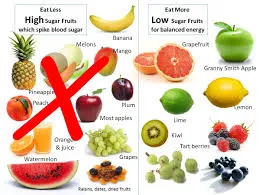
While most fruits are healthy and beneficial for weight loss, some are higher in natural sugars and calories, which means they should be eaten in moderation. Tropical fruits like mangoes, bananas, grapes, and cherries are nutritious but contain more sugar per serving than berries or citrus fruits. Eating them in large quantities can contribute extra calories, which may slow weight-loss progress if total daily intake isn’t carefully managed.
Dried fruits also fall into this category. While dried apricots, raisins, or dates provide fiber and micronutrients, the drying process concentrates their sugar and calories. A small handful of dried fruit is equivalent to several servings of fresh fruit, so it’s easy to overconsume. Pairing dried fruits with nuts or yogurt can help control portions and balance the snack.
Even high-calorie fruits can be part of a healthy diet if eaten mindfully. For example, a banana can make an excellent pre-workout snack due to its carbohydrate content, but eating multiple bananas or large portions of mango in one sitting may exceed your caloric needs.
The key is balance. By prioritizing low-calorie, high-fiber fruits like berries, apples, pears, and citrus as your daily staples, and reserving higher-sugar fruits for occasional consumption, you can enjoy variety and flavor without sabotaging your weight-loss efforts. Paying attention to portion sizes, meal timing, and pairing fruit with protein or healthy fats ensures that even higher-sugar fruits contribute positively to your diet rather than hinder your progress.
Moderation, mindful choices, and awareness of sugar content allow you to enjoy the full spectrum of fruits while staying aligned with your weight-loss goals.
Fruits and Popular Weight Loss Diets
Fruits can be incorporated into nearly every type of weight-loss diet, making them a versatile and nutritious choice. In low-calorie diets, fruits act as a natural way to reduce hunger while keeping overall calorie intake low. Eating high-fiber fruits like apples, pears, and berries between meals can help curb cravings and prevent overeating, making it easier to maintain a calorie deficit.
In intermittent fasting, timing fruit consumption strategically can enhance energy levels and reduce cravings. Many people choose to break their fast with fruits, as they are easy to digest, provide quick energy, and supply vitamins and minerals that help restore nutrient balance after a fasting period. Pairing fruits with protein, such as Greek yogurt or cottage cheese, can further stabilize blood sugar and extend satiety after fasting.
Low-carb or ketogenic diets require more careful fruit selection, as some fruits are high in sugar and carbohydrates. Berries like strawberries, raspberries, and blackberries are typically low in carbs and can be eaten in moderation, while high-sugar fruits like mangoes, grapes, and bananas are best limited. Citrus fruits, kiwis, and melons are other keto-friendly options in controlled portions.
Even in specialized weight-loss plans, such as paleo or whole-food diets, fruits provide natural sweetness without the need for added sugars. They enhance nutrient intake, reduce reliance on processed snacks, and can make the diet more enjoyable.
By understanding the carbohydrate content, sugar levels, and calorie density of different fruits, you can incorporate them effectively into almost any diet plan. Choosing the right fruits at the right time and in the right portions allows you to enjoy their benefits while supporting your weight-loss goals, regardless of the type of diet you follow.
Common Mistakes When Eating Fruits for Weight Loss
While fruits are a healthy and essential part of a weight-loss diet, many people make mistakes that can hinder their progress. One of the most common errors is relying too heavily on fruits as a primary food source. Although fruits are nutrient-dense and low in calories, they do not provide sufficient protein or healthy fats, which are necessary for maintaining muscle mass, supporting metabolism, and feeling fully satisfied. A diet overly focused on fruit can lead to nutrient imbalances and persistent hunger.
Another frequent mistake is consuming fruit in the form of juices or smoothies with added sugars. While a glass of orange juice may seem healthy, it often contains the sugar of several whole fruits and lacks fiber, leading to rapid spikes in blood sugar and insulin. This can trigger cravings and overeating later in the day.
Portion control is another critical area where mistakes occur. Overeating high-sugar fruits like mangoes, grapes, or bananas can unintentionally increase calorie intake, even though these fruits are healthy. Pairing fruits with protein or healthy fats can mitigate this issue and extend feelings of fullness.
Lastly, timing and frequency matter. Eating fruits late at night in large quantities may not suit everyone, especially if digestion slows or sleep is disrupted. Incorporating fruits mindfully throughout the day, alongside balanced meals and snacks, ensures you reap their weight-loss benefits without negative side effects. Recognizing and avoiding these mistakes allows you to enjoy fruits safely while maximizing their effectiveness in your weight-loss journey.
Scientific Evidence & Research
The role of fruits in weight loss is supported by a substantial body of scientific research. Multiple studies have shown that higher fruit intake is associated with lower body weight, reduced body fat, and improved metabolic health. One of the key reasons for this is fiber. Dietary fiber in fruits slows digestion, promotes satiety, and reduces overall calorie intake, which helps create a calorie deficit essential for weight loss.
A study published in the Journal of Nutrition found that participants who increased their daily fruit intake lost more weight over a 12-week period compared to those who did not, even without other significant dietary changes. Similarly, research in Obesity Reviews highlighted that consuming fruits with a low glycemic index, such as berries and apples, can help regulate blood sugar and reduce cravings, supporting long-term fat loss.
Fruits are also rich in antioxidants and phytonutrients, which play a role in reducing inflammation and improving insulin sensitivity. Chronic inflammation and insulin resistance are often linked to obesity and difficulty losing weight, so consuming antioxidant-rich fruits like berries, citrus, and kiwi may indirectly support fat loss.
Another important factor is the substitution effect. People who eat more fruits often consume fewer high-calorie, processed foods, which naturally lowers total calorie intake. Studies show that including fruits as snacks or meal additions is more effective for weight management than relying on processed snacks or desserts.
In summary, scientific evidence consistently supports that fruits are not only safe but beneficial for weight loss. High fiber, low-calorie density, antioxidants, and nutrient content make fruits a valuable tool for improving metabolism, controlling appetite, and promoting sustainable fat loss when incorporated into a balanced diet.
Frequently Asked Questions (FAQs) About Fruits and Weight Loss
When it comes to fruits and weight loss, many people have common questions about sugar content, portion sizes, and how to include them in a diet. Addressing these FAQs can help clarify misconceptions and make fruit consumption more effective for fat loss.
Can fruits cause weight gain?
In general, fruits do not cause weight gain when eaten in moderation as part of a balanced diet. Whole fruits are low in calories, high in fiber, and nutrient-dense. However, overconsumption—especially of high-sugar fruits like mangoes, grapes, or bananas—can increase calorie intake and potentially slow weight-loss progress.
How many fruits should I eat daily?
Most nutrition guidelines recommend 2–4 servings of fruit per day, depending on individual calorie needs and activity levels. A serving typically equals one medium fruit, one cup of berries, or half a cup of chopped fruit. Including a variety of fruits ensures you receive a broad range of vitamins, minerals, and antioxidants.
Are dried fruits good for weight loss?
Dried fruits are nutrient-dense but also calorie-dense because water has been removed. A small handful can be a healthy snack, but portion control is crucial to avoid consuming excess sugar and calories.
Is fruit juice effective for weight loss?
Whole fruits are preferable to fruit juices because juice often lacks fiber and contains concentrated sugars. Drinking large amounts of juice can spike blood sugar and reduce satiety, which may lead to overeating.
By understanding these key points, you can incorporate fruits into your diet in a way that maximizes weight-loss benefits while avoiding common pitfalls. Whole, fiber-rich fruits in controlled portions remain the most effective choice for fat loss and overall health.

I’m Oscar Wilde, the Joke Master at JokeDrops.com. With a flair for wit and a love for clever humor, I turn ordinary moments into laughter worth sharing!